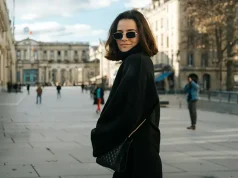
Looking back at old trip photos and seeing not just amazing locations but also costumes that perfectly complemented the experience is a unique experience. Whether you’re hiking beautiful trails, exploring coastal towns, exploring ancient city streets, or taking a weekend trip, what you wear can have a surprising effect on how your travel experiences are documented. I’ve discovered that the most photogenic attire isn’t always the most costly or trend-driven, as someone who enjoys both travel and photography. Rather, they achieve the ideal harmony of utility, comfort, and classic style.
Packing clothes that look fantastic in principle but don’t function in practical settings is one of the biggest blunders made by travelers. When you’re traveling between train stations, airports, and tourist attractions, clothing that is too trendy, tight, or prone to wrinkles can quickly become annoying. The finest travel ensembles are those that look professional in pictures but feel carefree. Layered textures, neutral hues, and adaptable pieces typically take very good pictures in a variety of settings and lighting situations.
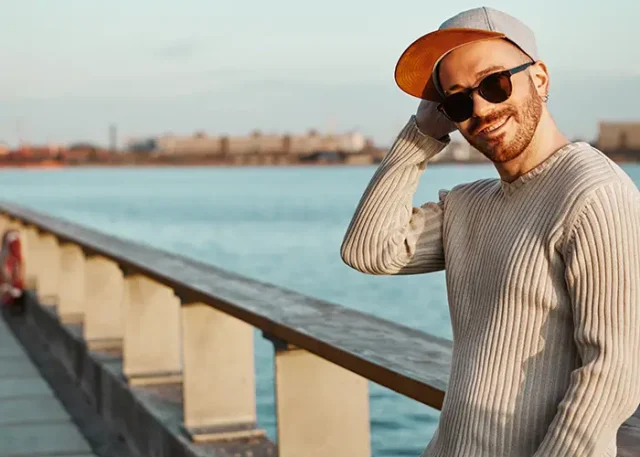
A high-quality sweater is an excellent example. A well-made sweater is one of the most adaptable things you can pack, based on my personal travel experiences. It is effective in chilly mornings, cool evenings, and even on flights where the temperature can change suddenly. I suggest going through men’s sweaters from Shamrock Gift Men’s Clothing Collection if you’re a traveler looking to update your outfit. Conventional knitwear adds texture and personality to travel ensembles and has a timeless appearance that looks great in both urban and natural settings.
Layering is one of the best methods for producing visually appealing travel ensembles. Layers provide photos visual interest without coming across as unduly complex. A casual jacket, light sweater, and fitted T-shirt can all work together to add depth to photos. Additionally, you can swiftly adjust to changing weather circumstances with this strategy without compromising appearance. Selecting complimentary hues that complement one another rather than vie for attention is crucial.
When it comes to vacation photography, color choice is crucial. Because they work well in a wide range of settings, earth tones including olive green, navy, beige, charcoal, and cream regularly perform well. These hues ensure that the person wearing them stays the main subject of the picture while blending in seamlessly with urban architecture, landscapes, and cultural sites. Although vivid bright hues might draw attention, they frequently take over photos in ways that eventually become distracting.
Just as much thought should be given to shoes as to clothes. Unexpected moments, frequently following hours of trekking, can produce some of the most memorable travel images. Your willingness to explore new places or look for unusual picture chances might be rapidly curtailed by uncomfortable shoes. The ideal balance of comfort and style is typically found in minimalist walking shoes, leather boots, or clean sneakers. They look good all day long and go nicely with the majority of travel attire.
I usually advise a smart-casual approach for city travels. Dark jeans, a fitting sweater, and adaptable sneakers combine to create a casual yet elegant outfit. This approach is equally effective for meals, sightseeing, and impromptu photo ops. This kind of attire feels timeless rather than connected to a particular fashion trend, making it a great backdrop for historic neighborhoods, contemporary skylines, and quaint cafés.
Travels with a natural emphasis require a somewhat different approach. Functionality becomes even more crucial in this situation. You can look camera-ready while remaining comfortable by wearing breathable layers, sturdy pants, and lightweight jackets. Because they blend in with the surroundings without being forced or unduly fashioned, earth-toned sweaters look particularly good in seaside, mountain, and woodland environments.
You should never ignore accessories. A well-made bag, fashionable sunglasses, or a high-quality watch can add flair to an otherwise basic ensemble. But moderation is crucial. Instead of overpowering your appearance, the objective is to improve it. Simplicity is frequently advantageous in travel photography because it keeps the destination and experience at the center of the picture.
Avoiding apparel with big logos, cluttered graphics, or excessive branding is another helpful piece of advice. These components can easily date photos and detract from the composition as a whole. Your travel images will continue to look good for years to come because timeless things tend to age much better. You’ll probably value timeless looks more than fads when you go through old vacation albums.
Another aspect that many travelers overlook is the choice of fabric. Because they produce modest visual depth, natural materials and textured knits frequently take better pictures than synthetic textiles. This is one of the reasons seasoned travelers still love sweaters. Their texture gives photos more depth while still seeming cozy and approachable.
I always concentrate on creating a travel wardrobe based on adaptable fundamentals that are easy to mix and match while I’m planning future excursions.