Picking the right bottle of oil for your kitchen shelf is not always easy. You want something that tastes fresh and works well with your favorite meals.
Many people do not realize that the origin of the oil tells a big story. The soil and the sun in different parts of the world change the final flavor.
Searching For Liquid Gold
Extra virgin oil is often called liquid gold for a good reason. It has been a part of human history for thousands of years. The process of making it requires patience and skill.
Farmers take great pride in growing trees that produce the best fruit. They watch the weather and the soil carefully throughout the growing season.
The process of making the oil has changed a lot. Modern tools help keep the oil fresh after the fruit is picked. Producers use cold pressing methods to keep the healthy parts of the oil intact.
Defining True Excellence
High-quality oil starts with the soil and the tree. Farmers must pick the fruit at the perfect time to get the best taste. If they wait too long, the oil might lose its bright flavor.
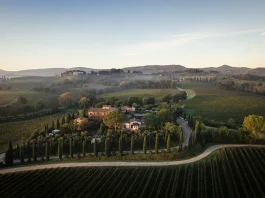
Choosing a premium brand makes a massive difference in your daily cooking. Take a look at Frantoio Grove Olive Farm, and you’ll see how careful harvesting and processing methods help preserve the natural flavor and quality of the oil. This attention to detail results in a product that enhances meals in a subtle but noticeable way, bringing out the best in simple, everyday ingredients.
You should always look for a harvest date to confirm the bottle is still at its peak. Freshness is the most important factor when you are shopping for top-tier oils. Older bottles tend to lose their healthy antioxidants and their flavor.
The European Powerhouse
Europe produces more oil than any other part of the world today. Most of the bottles you see in the store come from this region. The history of the Mediterranean is tied to these groves.
A recent report by the USDA noted that the European Union is the top producer globally – they handle more than 50 percent of the total supply. This massive output keeps the global market moving all year long. The demand for these products stays high in almost every country.
The nations in this group share a long history of farming these trees. They follow strict rules to keep the quality high for every bottle sold. These rules help buyers trust that they are getting a real product.
Spain Leads The Way
Spain is the leader when it comes to the volume of oil produced each year. They have millions of trees covering the hills in the southern parts of the country.
The climate there is perfect for growing large amounts of fruit that stay healthy. Many of the most famous brands get their oil from Spanish groves. They have mastered the art of large-scale production without losing focus on quality.
Spanish oils often have a bold and peppery finish that many chefs love. This makes them a great choice for drizzling over bread or pasta. You can find many different styles of oil coming from the different Spanish provinces.
Italian Tradition And Taste
Italy is known for producing some of the most flavorful oils in the world. Their farmers focus on small batches that highlight the local geography.
You can find different flavors in every region from the north to the south. Some oils are mild and buttery, while others are sharp and grassy. The variety of trees in Italy is quite large compared to other nations.
Italian families have passed down their farming secrets for many generations. This deep knowledge helps them create a product that is famous worldwide. They treat the harvest like a major cultural event every single year.
Tracking Emerging Regions
New areas of the world are starting to produce a lot of high-quality oil. These regions are becoming very competitive in the global market. They use new methods to grow trees in places that were not traditionally suitable before.
Experts tracking market shifts have noted that Tunisia is seeing a major boost in its output. They expect the harvest to reach 325 thousand tons in the coming season.
This growth is good for consumers since it provides more choices at different price points. It shows that great oil can come from many different sunny climates. These new producers are working hard to prove their quality to the world.
Weather Impacts On Supply
The weather plays a huge role in how many olives a tree can produce. Drought or heavy rain can change the harvest results very quickly. Farmers have to be ready for anything that the sky sends their way.
Farmers have to adapt to the changing climate to keep their trees healthy. Some of the challenges they face include:
- Extreme heat in the summer months.
- Lack of water during the growing phase.
- Early frost during the harvest season.
- Pests that target the fruit on the tree.
Managing these issues takes a lot of hard work and careful planning. The best producers use technology to monitor the soil moisture and the tree health. They do everything possible to protect their crop from the elements.
Different Cultivars To Know
Just like wine grapes, different types of olives produce different flavors. You might prefer a mild oil for baking or a strong oil for steaks. Knowing the name of the olive helps you predict the taste.
Learning about the varieties helps you pick the right bottle for your needs. Here are a few common types you might find:
- Arbequina olives have a mild and sweet taste.
- Picual olives for a strong and stable oil.
- Frantoio olives for a fruity and grassy profile.
- Koroneiki olives have a high antioxidant count.
Each of these varieties brings a different character to the kitchen. Trying different types is the best way to find your personal favorite. You might find that you need more than one bottle in your pantry.
How To Read A Label
Reading the label is the only way to know what you are actually buying. Many bottles have confusing terms that do not mean much. You have to look past the marketing to find the facts.
Look for words like extra virgin to make sure you are getting the highest grade. Check the back of the bottle for the country of origin and the harvest date. This information tells you if the oil is fresh and pure.
If you see a seal from a testing group, that is a very good sign. It means the oil has been checked for purity and quality by an outside party. These seals give you peace of mind when you are spending money on a premium bottle.
Finding the best oil is a fun journey that improves your cooking. You can explore different countries and flavors from your own kitchen.
Pay attention to the labels and try new varieties as you find them. Your taste buds will thank you for choosing fresh and high-quality products.