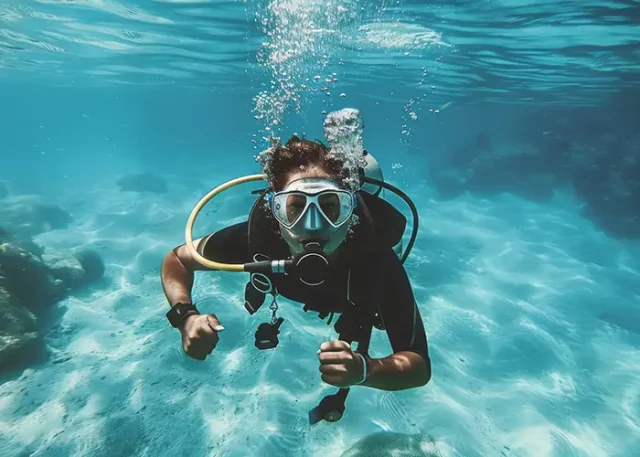
The first breath you take underwater feels unforgettable, and the gear you choose plays a huge role in shaping that moment. Many new divers search for beginner scuba gear tips, essential scuba equipment lists, and straightforward guidance on what to buy first. Answers often feel confusing, especially when every item claims to be a must-have. Insights shared by instructors at http://www.scubatechdestin.com help beginners understand what truly matters during their early dives. The right mask, fins, wetsuit, BCD, and regulator can improve comfort, stability, and confidence on every descent. This guide explains how to select beginner-friendly gear, what to look for when making your first purchase, and how to avoid common mistakes new divers often make. You can start strong with the right essentials.
Why Gear Choice Matters for New Divers?
New divers need gear that fits well, matches local conditions, supports safe breathing, and builds confidence. Wise choices create comfort, better control, and a more substantial underwater experience.
● Fit and Comfort: Poorly fitted gear can leak, rub, or distract you during a dive. Masks should seal comfortably, fins should not pinch, and wetsuits should feel snug without limiting movement.
● Diving Conditions and Frequency: Warm-water, cold-water, shallow-water, or deep-reef dives all require slightly different gear choices. Your usual dive location should guide your selection.
● Budget and Long-Term Value: Beginners should focus on quality items that last. Masks, snorkels, and fins are often the first purchases because they offer good value and build familiarity.
● Safety and Reliability: Reliable equipment gives peace of mind underwater. Regulators, BCDs, and exposure suits must be chosen with care so you feel secure during every dive.
Essential Gear New Divers Should Understand
Beginner scuba divers benefit from learning how each basic piece of gear works. Explicit knowledge helps in choosing equipment that improves comfort, movement, and underwater awareness.
Key Items to Know
● Mask: A good mask should seal gently, provide clear vision, and stay comfortable during longer dives.
● Fins: Proper fins help you move smoothly through the water with less effort and better control.
● Wetsuit or Exposure Suit: The right suit maintains warmth, protects the skin, and keeps your body comfortable in changing water temperatures.
● Buoyancy Control Device (BCD): A BCD helps you stay balanced and steady underwater and makes it easier to adjust buoyancy.
● Regulator: A regulator provides steady airflow and supports calm, controlled breathing during every dive.
What Beginners Should Buy First and What They Can Rent
New divers often wonder which items are worth buying early and which are better rented. A balanced approach saves money and helps beginners learn comfortably.
● Mask: A personal mask improves comfort and visibility by sealing correctly and preventing distractions that often occur with shared rental masks.
● Fins: Light, well-fitted fins support smooth underwater movement, reduce leg fatigue, and help beginners control direction with steady, gentle kicks.
● Snorkel: A simple snorkel helps beginners breathe calmly at the surface and learn relaxed breathing habits before starting deeper underwater dives.
● BCD: Renting allows beginners to test different BCD styles while learning buoyancy control and understanding which design feels stable in the water.
● Regulator: A rental regulator provides safe breathing while giving beginners time to compare comfort, airflow, and overall performance before choosing a personal model.
● Dive Computer: Renting helps beginners explore display styles, alert systems, and tracking features before investing in a computer suited to their diving goals.
Practical Tips for Choosing the Right Scuba Gear
Simple, thoughtful choices help beginners pick scuba gear that feels comfortable, reliable, and suitable for the conditions they plan to dive in regularly.
● Try Gear Before Buying: Testing masks, fins, and suits helps you understand absolute comfort, proper fit, and how each item supports smooth underwater movement.
● Consider Your Usual Dive Conditions: Water temperature, visibility, and dive depth influence the type of wetsuit, fins, and accessories that will perform best for beginners.
● Focus on Long-Term Value: Selecting dependable gear improves safety and reduces the need for frequent replacement, especially when you plan to dive often in familiar locations.
● Learn Basic Maintenance: Cleaning, drying, and storing each item correctly improves safety, performance, and durability across all diving situations and future underwater experiences.
● Build Your Kit Gradually: Start with essential items that affect fit and comfort, then add advanced gear once your diving habits and preferences become clear.
Common Beginner Gear Mistakes and How to Avoid Them
New divers often make small gear mistakes that affect comfort, confidence, and underwater control. Understanding these issues early helps create safer, smoother dives.
● Buying Everything Too Quickly: Beginners sometimes purchase complete kits before gaining experience, which leads to unused items and difficulty understanding what truly supports their needs.
● Choosing Gear Only by Price: Cheaper options may sacrifice comfort and reliability, which can reduce enjoyment and increase stress during longer or more challenging dives.
● Ignoring Local Water Conditions: Using the wrong wetsuit thickness or unsuitable fins creates discomfort, reduces mobility, and affects how confidently beginners settle into their environment.
● Skipping Regular Equipment Checks: Avoiding routine cleaning and inspections can cause performance issues that become distracting or unsafe during early diving experiences.
Feature Guide for Choosing Beginner Scuba Gear
Beginners often feel unsure about which features matter most when selecting scuba gear. This guide table explains the key features to look for and why each one supports safer, smoother dives.
| Feature | Applies To | Why It Matters for Beginners |
| Comfortable Seal | Mask | Prevents leaks and helps maintain clear vision without constant adjustments. |
| Flexible Straps | Mask, Fins | Makes fitting simpler and reduces pressure points during longer dives. |
| Proper Fin Stiffness | Fins | Supports steady kicks and reduces fatigue while learning basic underwater movement. |
| Suitable Thickness | Wetsuit | Keeps the body warm and relaxed based on local water temperatures. |
| Stable Lift Capacity | BCD | Helps beginners maintain balanced buoyancy and stay in control underwater. |
| Smooth Airflow | Regulator | Provides steady breathing that supports calm, confident dives. |
| Clear Display | Dive Computer | Helps track time, depth, and safety limits without confusion. |
Choosing the right scuba gear helps beginners feel comfortable, safe, and confident throughout their early diving experiences. Understanding essential items, testing fit, and building a kit slowly creates a reliable setup that improves every dive. Beginners can avoid confusion by focusing on quality, learning from experienced instructors, and paying attention to local water conditions. With guidance inspired by Scuba Tech Destin, any new diver can make smart gear decisions and start each dive with steady preparation.