

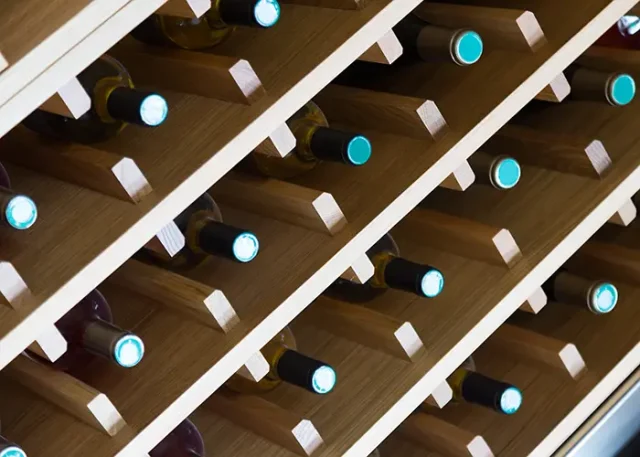
Choosing materials for a wine rack might seem like a simple decision, but the right combination can completely shape the look, feel, and longevity of your storage space. Once you move past the basic question of where the bottles will sit, you start thinking about how the rack will handle everyday conditions, how it ties into your existing interiors, and how it holds up over time. This is especially true when working with custom wine racks, which rely on carefully considered materials to balance practicality with aesthetics.
Timber Options That Bring Warmth to Your Cellar
Timber remains a favourite for those who want a storage feature that feels inviting and visually grounded. Hardwoods such as Tasmanian oak, mahogany, and jarrah are frequently chosen because they hold their shape well, even when the surrounding environment drifts toward higher humidity. Their natural density and strength make them ideal for cellars or temperature-controlled rooms, so rest assured, each sip will taste as it should.
Part of timber’s appeal lies in the character of its grain. No two pieces are exactly alike, which gives every installation a sense of individuality. Finishes also play a defining role. A clear lacquer highlights the natural tone, while darker stains can add depth or lean into a more formal look. With the right finish, timber can blend seamlessly into traditional interiors or stand confidently in more contemporary settings.
Metal Choices for Strength and Contemporary Style
Metal has carved out a strong place in modern wine storage thanks to its sleek lines and impressive durability. It is a practical choice for both compact wall displays and large-scale collections, offering unwavering support without adding visual heaviness. Homeowners who prefer a clean, architectural look often gravitate toward metal because it suits minimalist spaces and open designs.
Finishing techniques vary widely. Powder-coating is a common option for creating a resilient surface that resists wear while offering a choice of colours, from classic black to softer neutrals. Brushed and satin textures introduce a subtle sheen that pairs well with streamlined interiors. Metal racks also integrate easily with elements such as steel-framed doors or wall-mounted panels, giving the entire space a cohesive, intentional feel.
Glass and Acrylic Features That Enhance Lightness And Clarity
Glass and acrylic don’t often serve as primary structural materials, but they shine when used as accents. Their transparency creates a sense of lightness that draws attention to the bottles rather than the frame holding them.
These materials work particularly well in interior designs that prioritise clean lines and unobstructed views. Glass shelving offers crisp edges, while acrylic supports create a gentle floating effect. Both options do require regular cleaning, as fingerprints and dust tend to stand out, yet the visual payoff can be striking.
Finishes That Improve Visual Cohesion
A thoughtful finish not only looks good but also protects the base material. Timber benefits from oils or moisture-resistant coatings that safeguard against swelling or warping in humid zones. These treatments also enhance the grain’s depth, giving the wood a rich, polished quality.
For metal, finishes help guard against corrosion while shaping the design direction. Be it matte, satin, or glossy, the finish should coordinate with the surrounding architecture. Aligning these elements creates harmony throughout the space and ensures the wine storage feels intentionally integrated rather than added as an afterthought.
Selecting the Right Material for Your Space and Collection
The ideal combination of materials depends on the size of your collection, the intended location, and the overall style of your home. A compact nook may benefit from narrow metal racking, while a feature wall set in a living area might call for the warmth of timber.
Many designs now blend multiple materials, pairing timber frames with metal supports to achieve both durability and visual contrast.
Final Thoughts
A well-crafted wine rack serves a purpose beyond storing bottles, it enhances the atmosphere of the space around it. Choosing materials and finishes that suit your environment ensures the feature remains both functional and visually compelling for years.
Whether you prefer the inviting texture of timber or the crisp precision of metal, a deliberate approach will help your wine storage remain a standout element that continues to perform beautifully over time.