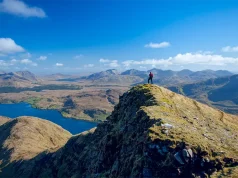

Japan stands as a distinct destination where ancient traditions sit right next to intense modernity. Visitors arrive at Narita or Haneda and immediately face a network of trains that run on precise schedules. The country offers a mix of neon-lit skyscrapers in Tokyo and quiet wooden temples in Kyoto, creating a varied itinerary for any traveller.
It is a place where convenience stores sell high-quality meals and vending machines appear on almost every corner. Planning a trip requires attention to logistics, particularly rail passes. The seasons change the landscape, bringing cherry blossoms in spring and heavy snow to Hokkaido in winter.
Navigating the Capital
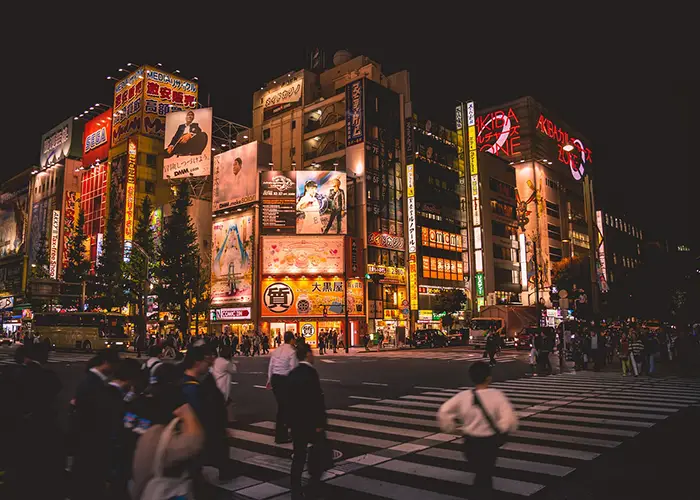
Tokyo functions as the primary entry point for most international arrivals. It is a sprawling metropolis defined by distinct neighbourhoods rather than a single centre. Shinjuku offers a high concentration of skyscrapers and the busiest train station in the world, handling millions of passengers daily. Just a short ride away, Shibuya features the famous scramble crossing where pedestrians flood the street from all directions.
Travellers often head to Akihabara for electronics and anime culture, finding multi-storey arcades and shops dedicated to vintage games. For a quieter experience, Ueno Park provides green space and houses several major museums, including the Tokyo National Museum. Food options range from standing noodle bars to high-end kaiseki restaurants. The subway system connects these districts efficiently. Purchasing a Suica or Pasmo card makes moving between lines much smoother.
Cruising in Japan
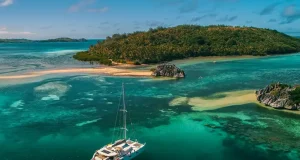
Seeing the archipelago from the water provides a different perspective on the geography. The country consists of thousands of islands, making the coastline incredibly long and varied. The Seto Inland Sea, positioned between Honshu, Shikoku, and Kyushu, offers calm waters and views of small fishing villages that are difficult to reach by train. Ferries and commercial vessels traverse these routes constantly.
International travellers are increasingly looking for ways to access these port towns. There are opportunities to find lovely small ship cruises in Japan that navigate into narrower harbours and intimate bays. These routes often stop at places like Kanazawa, known for its preserved samurai districts, or navigate around the subtropical islands of Okinawa in the south. Being on the water allows access to maritime shrines like Itsukushima, where the torii gate stands in the tide. It removes the need to repack suitcases and catch trains.
The Cultural Heart of Kyoto
Kyoto served as the imperial capital for over a thousand years and retains a massive collection of UNESCO World Heritage sites. The city layout follows a grid pattern, making navigation reasonably straightforward for pedestrians. Kinkaku-ji, the Golden Pavilion, reflects perfectly into its surrounding pond and attracts steady streams of visitors throughout the year. Arashiyama, on the western outskirts, features a dense bamboo grove that towers over walking paths.
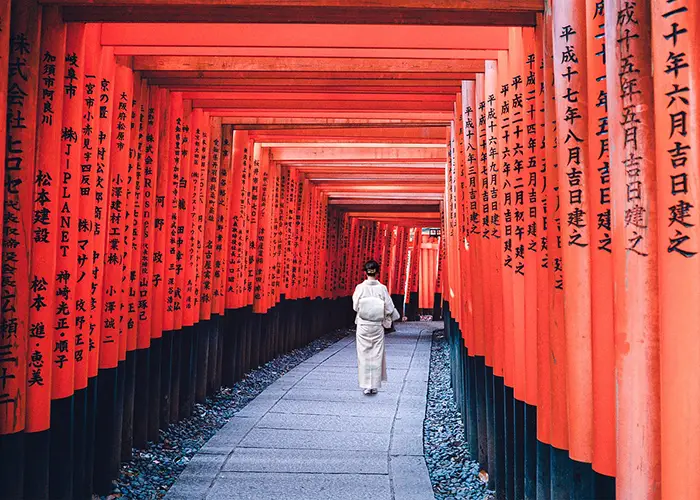
In the Gion district, wooden machiya houses line the streets. Tea houses here continue to operate as they have for centuries, serving matcha and traditional sweets. Fushimi Inari Shrine sits south of the main station, famous for its thousands of vermilion gates winding up the mountain. Hiking to the top takes about two hours and offers views across the valley. Unlike Tokyo, the buildings remain low, preserving the sightlines of the surrounding mountains that border the city.
Food Culture in Osaka
Osaka carries a reputation as the nation’s kitchen. The atmosphere feels distinct from Tokyo, often described as more direct and casual. Dotonbori serves as the central hub for food tourism, illuminated by massive mechanical signs and neon billboards along the canal. Street food vendors operate late into the night, selling takoyaki, which are battered octopus balls, and okonomiyaki, a savoury pancake loaded with cabbage and meat.
Locals take dining seriously here. The concept of “kuidaore”, or eating until you drop, originated in this city. Shinsekai offers a retro vibe with kushikatsu restaurants where skewered meats and vegetables are deep-fried and dipped in communal sauce. Markets like Kuromon Ichiba display fresh seafood, including high-grade tuna and sea urchin, ready for immediate consumption. It is a practical place to try a wide variety of Japanese cuisine in a condensed area without needing reservations. The focus remains heavily on flavour.
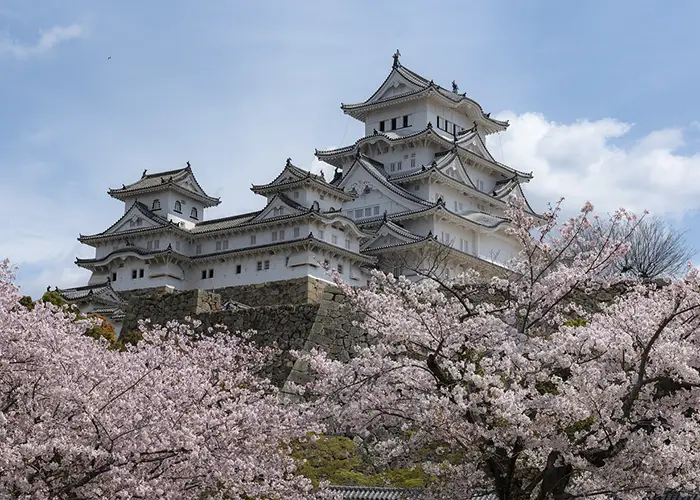
Venturing Into the Countryside
Leaving the neon megalopolises reveals a rugged interior defined by mountains. The Japanese Alps cut through the main island, offering landscapes that contrast sharply with the coastal sprawl. In Takayama, beautifully preserved streets line the old town, where wooden merchant houses create a distinct feeling of stepping back in time to the Edo period. Nagano transforms into a massive ski destination in winter, while summer opens up hiking trails connecting ancient shrines. It adds a necessary layer of quiet to the trip that the big cities simply cannot provide.
Accessing these inland areas requires a shift in planning. Local transport schedules are less forgiving than the city subways, and English signage becomes scarcer. Many travellers choose to join guided Japan tours to navigate these logistical hurdles effectively. These options streamline the journey to remote spots like the famous snow monkey parks of Jigokudani or the secluded, thatched-roof villages of Shirakawa-go. It ensures access to these harder-to-reach highlights without the stress of managing tight connections in a foreign language or hauling luggage across rural platforms.
Why Should You Visit Now?
Japan offers a travel experience that balances comfort with big cultural differences. The infrastructure works reliably, trains arrive on time, and safety levels remain incredibly high for tourists. It provides a space where one can spend the morning in a department store basement looking at perfect fruit and the afternoon sitting in a centuries-old garden.
The exchange rate has made the country more accessible to international visitors recently. Accommodation options range from capsule hotels to luxury ryokans with private hot springs. Whether the goal is eating through Osaka or hiking ancient trails, the destination delivers specific memories.