

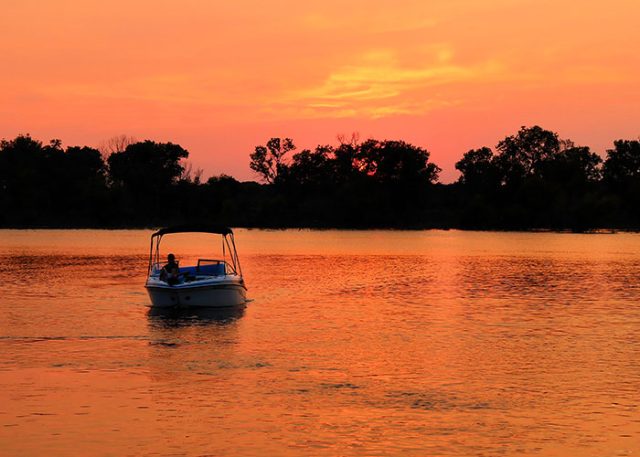
Somewhere south of the Metroplex, the suburbs thin out, the sky widens, and the road starts to roll. Then, almost suddenly, the landscape opens and there it is: a stretch of blue edged by limestone bluffs and cedar trees. Most people first meet Lake Whitney on a Friday afternoon road trip, planning nothing more than a quiet weekend. A surprising number go home wondering if they should come back for good.
This guide is written for both groups – the weekender and the maybe-one-day local.
1. Getting There: The Drive from Dallas, Fort Worth, or Waco
Lake Whitney sits in Central Texas, roughly an hour to ninety minutes from the big-city rush, which makes it a natural fit for a quick escape.
● From Dallas: It’s about 80 miles. Take I-35E south toward Hillsboro, then cut west on TX-22 through small towns and farmland until the road begins to dip toward the lake.
● From Fort Worth: Plan on around 70 miles. Take US-377 or Chisholm Trail Parkway to Cleburne, then US-67 and TX-174 will ease you into classic Hill Country scenery before you angle southeast toward Whitney.
● From Waco: Just 40–45 minutes north on I-35, then west on TX-22. You barely have time to finish a podcast episode before the water appears.
None of these drives are complicated; that’s part of the appeal. They’re close enough to feel spontaneous, far enough that the mental distance from city life is very real.
2. The Lake Itself: Why Whitney Punches Above Its Weight
Lake Whitney is a 23,000-acre reservoir, but on the water it feels more like a series of intimate coves and wide-open reaches than one big bowl. It draws anglers, campers, and boaters who could easily head to bigger, more famous lakes – but choose Whitney on purpose.
● Fishing: Known for striped bass, largemouth, and catfish. Early mornings bring a parade of bass boats hugging the shoreline structure and cliff edges.
● Boating & swimming: Multiple marinas, boat ramps, and sandy or rocky swim spots. On summer weekends there’s plenty of activity, but it rarely feels overrun.
● Hiking & wildlife: Limestone bluffs, cedar breaks, and open prairie in and around Lake Whitney State Park create good birding and easy-to-moderate hiking.
Best times to visit: Spring and fall are ideal – cooler mornings, clear water, and fewer crowds. Summer is classic lake season, while winter offers quiet campsites, crisp air, and the kind of stillness that urban Texans forget exists.
3. Where to Stay Around Lake Whitney
For a small town, Whitney offers a practical mix of accommodations:
● Cabins & short-term rentals: Lakefront and near-lake homes, from simple fishing cabins to larger houses for multi-family gatherings. Many sit on wooded lots with firepits and lake access trails.
● Lake Whitney State Park: Tent sites, RV hookups, screened shelters, and limited cabins inside the park itself. Waking up steps from trails and the shoreline is a major perk.
● Motels and inns: Modest, old-school roadside stays in and around Whitney proper – good for anglers and road trippers who prioritize convenience.
As with most Texas lakes, weekends and holidays book up fast, so reserving early – especially for waterfront rentals – is wise.
4. Where to Eat and Drink in Whitney
No one comes to Whitney for white-tablecloth dining, and that’s part of its charm. Expect small-town standards and a few pleasant surprises.
● BBQ joints: Smokehouses and trailers serve brisket, ribs, and sausage that are more honest than hyped. It’s the kind of barbecue that tastes best after a morning on the water.
● Diners & cafes: Hearty breakfasts, chicken-fried steak, and pies that lean sweet and straightforward. Service tends to be informal but friendly.
● Lake-view spots: A handful of bars and grills near marinas pour cold beer and simple burgers or tacos, often with sunset views over the water.
It’s smart to check seasonal hours – many local places adjust schedules outside of peak lake season.
5. Beyond the Lake: Nearby Towns and Day Trips
If you’re staying for a long weekend, it’s easy to turn Whitney into a hub for exploring Central Texas.
● Clifton: About 30–40 minutes west, this small town bills itself as the “Norwegian Capital of Texas” and has a growing arts scene, galleries, and a compact, walkable downtown.
● Hillsboro: Just east on I-35, with a photogenic courthouse square, antique shops, and classic Texas architecture – an easy stop on your way in or out.
● Waco: Under an hour away, with its riverfront, museums, and well-known Magnolia draws. You can day trip in, then retreat to the quiet of the lake at night.
6. Why Some Visitors Never Leave
After a couple of weekends, it’s natural to notice what life here might look like beyond the cooler and the fishing rods. Whitney’s appeal to would-be residents is quieter but no less real.
● Cost and space: Compared with Dallas–Fort Worth and even parts of Waco, land and housing tend to be more attainable. You see more yards, more trees, and more sky.
● Pace of life: Errands run a little slower, conversations last a little longer, and seeing the stars at night is normal, not novel.
● Proximity without pressure: You’re close enough to major job markets and hospitals in DFW and Waco, but far enough that sirens and traffic aren’t part of daily life.
Locals will tell you many of their neighbors “just came down to fish one weekend” and never quite got around to leaving.
7. Making the Move: What to Know Before You Relocate to Whitney
If you find yourself browsing listings on the drive back to the city, a few realities are worth knowing.
● Cost of living: Housing can be more affordable than in the Metroplex, but prices near the lake climb faster and inventory can be tight in peak seasons.
● Types of homes: Expect a mix of lake cabins, manufactured homes, older ranch houses, and newer builds on larger lots. Rural properties may come with wells, septics, and private roads – worth inspecting carefully.
● Daily life: Groceries, basic services, and schools are local; specialty shopping and major medical often mean a drive to Waco or the DFW suburbs.
● Planning the move: Families relocating to Whitney typically work with local Central Texas movers to handle the transition; researching experienced movers in Whitney, TX can make settling in less stressful.
Visit in different seasons, talk to long-time residents, and spend time in town as well as on the water. Whitney reveals itself gradually.
Conclusion: Plan the Weekend, See What Sticks
Whether you’re chasing stripers at sunrise, cooking over a campfire, or lingering in a diner booth over coffee, Lake Whitney has a way of getting under your skin. Go first for a weekend – the simple drive, the big sky, the quiet water. If you catch yourself imagining a mailbox with your name on it somewhere down one of those country roads, well, you won’t be the first. Either way, it starts with that first trip.