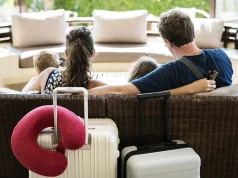


U.S. travelers with one bag aren’t attempting to show off their packing skills as much as they are trying to handle short visits. Your small pack makes every decision about when, how, and where to go more important, as there are fewer “just in case” items.
Travelling with one bag requires a solid base, such as a B&BHOTELS location (https://www.hotel-bb.com/en/hotel/windsor-inn-jacksonville), which meets the needs of many short-stay tourists: convenient access, reliable arrival times, and a place to quickly adjust to local time before continuing their journey.
Start with the Base to Travel With One Bag
The biggest mistake one-bag vacationers make is booking a weeklong stay. The base’s friction reduction is more crucial than the “perfect” chamber for two or three nights. Choose a hotel that reduces transfers, simplifies check-in and check-out, and is near your activities. Small backpacks can’t replace bases that require long trips or frequent route modifications.
Choose Walkable Neighborhoods
If you can stroll in the evenings and mornings, a one-bag stay is best for now. Walkability isn’t just about seeing places. It’s also about getting things done and taking time to relax. One less thing to decide when you’re exhausted, and the question is whether to go outdoors for coffee, a modest lunch, or a store purchase. Walking-accessible city pockets reduce the need to “waste” half a day figuring out how to get about. Walking back up strengthens your stay, even if you take public transport or a taxi.
Select Easy Transit Over Perfect Views
One-bag travel celebrates planning. The center base on a map may not be the best for migrating. Instead of landmarks, optimize direct paths. Consider how you will get there and back, and what will happen if you’re late. Simple routes reduce your bag’s weight and promote mental calm. Having an easy transit pattern also makes you more flexible with your plans, which is why many people bring only one bag.
Create a Room “Reset Routine”
Because you move less, your room layout becomes your system. The fastest way to avoid chaos and loss is to establish a routine immediately. Don’t let your luggage go empty—keep vital papers, chargers, and other items together. This decreases morning stress and the likelihood of leaving stuff behind. A reset method protects a one-bag edge’s speed from tiny, preventable disruptions.
Making Short Visits Feel Longer Without Additional Stops
Travelers with one bag often overbook because it’s so easy to move around. Spending more time in each community and visiting fewer is beneficial. Choose a daytime and evening area. Repeat activities such as going to the same café, taking the same walk at different times, and walking along the same street day and night to see the city. This approach gives you the feeling of “seeing” a place without limiting your stay.
When Connecting Cities, Consider Hubs
Not all visits in the U.S. involve a single site. Another short stopover follows a car or excursion. When that happens, hub thinking matters. A hub base should be accessible and exitable. Being close to small-item retailers and convenient transportation lines will keep you moving. If you want to travel with one bag, consider each base as a place to change gears, not as a place to bring everything.
Ideal One-Bag Base
A decent one-bag base assists in getting there, resting, and leaving without stress or clutter. Short city stays are more enjoyable in every aspect when you make your choices with those results in mind. Your bag stays compact, your plans stay flexible, and the journey seems like easy shifts rather than avoidable issues.