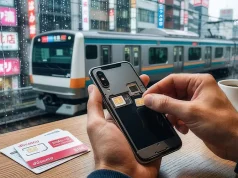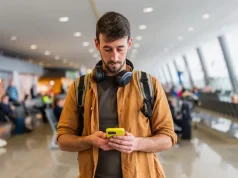

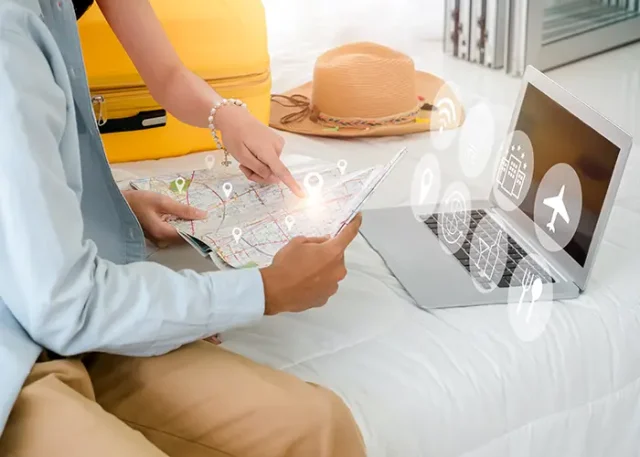
There was a time when “leisure travel” meant physically leaving your worries at the gate. You’d board a plane, switch off your phone, and that was that. But these days? The boundary between disconnecting and staying engaged has gotten incredibly blurry. Modern travellers aren’t just looking for a beach to lie on; they’re seeking experiences that weave digital comfort into the fabric of their trip. Technology isn’t just a tool for navigation anymore; it’s become part of the relaxation itself, a way to curate downtime rather than simply endure it. It’s a shift that feels natural, even if we don’t always notice it happening.
The growth of digital leisure
It’s kind of wild to think about how quickly our downtime has evolved. Today, travelling is as much about connecting with others as it is about exploring the world. From long-haul flights to nights out abroad, many travellers rely on their smartphones not only to communicate but also to relax and have fun. From music and streaming apps to platforms offering interactive experiences and games with real prizes, with the best ones according to oddschecker on the linked page, digital experiences are increasingly becoming a part of travellers’ lives as well. We’re seeing a massive surge in tools that merge comfort with a little bit of discovery. Whether it’s a meditation app to decompress after a delayed flight or an interactive map that turns a city stroll into a scavenger hunt, these platforms are filling a gap we didn’t even know existed. People want to feel connected to their destination, to their friends back home, or even just to a fun distraction, without sacrificing that sense of escape.
The role of mobile apps for relaxation and immersive experiences
It’s not just about killing time anymore; it’s about enhancing the mood. Today’s apps offer authentic, intuitive, and socially engaging experiences that can actually complement the physical journey. Some platforms allow users to enjoy rewarding gaming experiences, preview locations, and personalize experiences with an online request. Developers like OpenAI are pushing this even further, creating tools that help travelers generate itineraries on the fly or even translate conversations in real-time, removing the friction that used to cause stress.
Future trends for new travel experiences
Looking ahead, the next wave of travel tech feels a bit like science fiction, but it’s landing faster than we expect. Augmented reality, cloud-based gaming experiences, and interactive activities are shaping new vacations. Imagine walking through a historical site and seeing it reconstructed through your phone’s camera, or participating in a narrative-driven game that uses the city as its board. We’re already seeing hotels test out VR lounges where you can “visit” a destination’s highlights before booking the excursion. It’s a way of sampling the trip before you commit your time, which feels oddly reassuring. The generation traveling now, Gen Z and younger millennials, aren’t separating digital from physical; to them, it’s just one continuous experience.
Balance between digital and real life
Of course, there’s a fine line. If you’ve ever been on a trip where someone spent the whole sunset trying to get the perfect timelapse, you know the struggle. The importance of living digital consciously can’t be overstated. Connection should act as an extension of the journey, not a substitute for it. I’ve found that the best trips are the ones where I use tech to enhance a moment, looking up the history of a building I’m standing in, rather than using it to escape the moment. It’s about curating healthy habits when travelling, like setting the phone down during meals or using apps only during transit. Technology and authenticity can coexist, but it takes a little intention. We’re learning that a text to a friend back home can deepen the experience, while doom-scrolling in a beautiful location just dilutes it.
Conclusion
So, is technology stealing the magic of travel? I don’t think so. If anything, it’s redefining what leisure looks like. The modern traveler doesn’t have to choose between being present and having access to the world’s information or entertainment. We’re building a hybrid space where a guided meditation on a mountaintop or a multiplayer game in an airport lounge can be just as memorable as the main attraction. The key is treating these digital tools as what they are: helpers, not replacements. When used right, they don’t pull us out of the experience, they actually pull us deeper into it, letting us relax in ways that feel personal, connected, and genuinely new.