Accommodation is one of those travel decisions that people either obsess over or barely think about. Three weeks of comparison tabs, or a ten-minute scroll and a quick booking. Neither tends to produce the best result.
The thing is, where you stay shapes the whole experience of a trip. Not just whether you sleep well, but how the days actually feel. Get it right and the accommodation becomes part of the holiday. Get it wrong and it becomes something you work around.
Here is a straightforward way to approach the decision, whatever kind of trip you are planning.

Start With the Trip, Not the Listing
Most people open a search engine and start scrolling before they have asked themselves a single useful question. The photos look great, the price seems fine, and they book. Then they arrive and realise the property is forty minutes from everything they wanted to do.
Before you look at a single listing, answer these honestly.
What is this trip actually for? Pure rest, active exploring, or something in between? How many hours a day will you realistically spend at the property? Who are you travelling with? What does a genuinely good day on this trip look like?
Those answers should drive everything else. Someone planning to be out from sunrise to midnight has completely different needs from someone whose ideal holiday involves long breakfasts, an afternoon by the pool and dinner cooked at home.
It sounds simple, but most accommodation regrets come from skipping this step. People book what looks good rather than what fits how they actually travel.
Which Accommodation Type Actually Fits
Once you know what the trip is for, the type of accommodation becomes a much easier call.
Hotels make the most sense for short city breaks or business travel. Convenient location, daily housekeeping, on-site dining, no logistics to manage. For a two-night stay somewhere unfamiliar, that simplicity is worth paying for.
For longer trips, hotels start to lose their edge. Rooms feel smaller after a few days. Every meal out adds up quickly. And there is a certain impersonal quality that becomes harder to ignore the longer you stay.
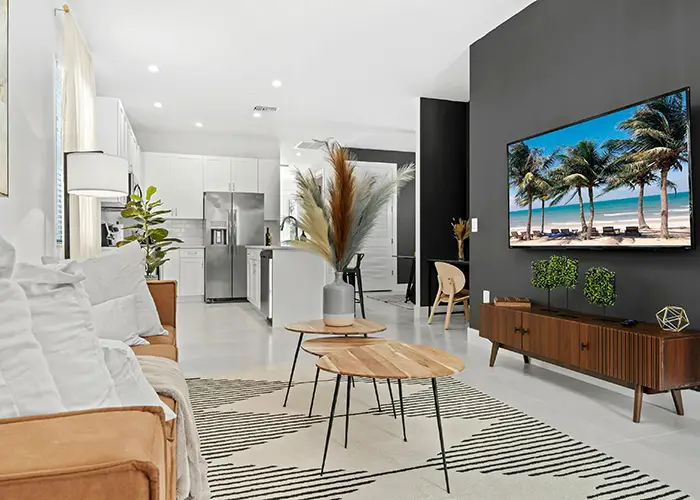
Apartments and serviced apartments are better suited to travellers who want to actually live somewhere for a week rather than pass through it. A kitchen changes the economics of a trip significantly. So does having a proper living room when you want to wind down without going back to bed.
There is also something to be said for the neighbourhood experience. Staying in an apartment puts you inside a local area rather than a tourist bubble. You shop at the same places locals do, you find the café around the corner that no review site has discovered yet, and the destination starts to feel real rather than curated.
Private villas are a different proposition altogether. You are not sharing anything with other guests. The pool, the outdoor space, the kitchen, the living areas are all yours. For families, groups of friends or anyone who genuinely values privacy, a villa does not just improve the accommodation. It changes what the holiday can be.
The social dynamic shifts entirely. There is space to gather and space to be alone. You can cook a big dinner together one night and go your separate ways the next morning. The property works around the group rather than the other way around.
Certain destinations have particularly strong villa options. The villas in Phuket available through specialist platforms cover a wide range, from smaller private retreats to large multi-bedroom properties with ocean views, dedicated staff and pool setups that make it easy to barely leave the grounds if that is what you want. Booking through a platform with real local knowledge also means the listings are accurate, which matters more than people realise until they have been caught out by misleading photos.

Location Is the Variable Most People Get Wrong
A stunning property in the wrong spot is still the wrong choice.
Location affects how you get around every day, how much you spend on transport, and how much of your time gets eaten up just moving between where you are staying and where you want to be.
For city trips, being central almost always pays off. The premium is usually recovered in saved taxi fares and time alone, before you factor in the freedom to be spontaneous.
For beach or coastal destinations, proximity to the water matters most. A property described as “close to the beach” can mean a five-minute walk or a forty-minute drive depending on who wrote the listing.
Always check the actual map before booking. Zoom in. Look at what surrounds the property. Check driving times for the things you actually plan to do. It takes five minutes and can save a week of frustration.
Also think about what the immediate area offers beyond your main reason for being there. A good local restaurant within walking distance. A market nearby. Easy access to transport. These small conveniences add up over the course of a week and make a real difference to how relaxed you feel day to day.
The Checklist Nobody Talks About
Beyond location and type, there are a handful of practical questions worth running through before confirming any booking.
What is included in the rate? Some properties bundle in daily housekeeping, airport transfers or breakfast. Others charge separately for everything. The headline price can look very different once extras are added.
What is the cancellation policy? Travel plans change. A flexible cancellation window costs nothing until you need it, at which point it is worth a great deal. Always read the policy before booking rather than after.
Is the check-in process straightforward? Self check-in with a lockbox works fine for many travellers. For others, arriving late at night in an unfamiliar place to find a key code that does not work is the worst possible start. Know what you are walking into.
Are the photos recent? Older listings sometimes show a property in much better condition than its current state. Look for review dates and see whether the photos match what guests describe in recent feedback.
For families travelling with children, are there safety features around any pools or open water? This is the kind of detail that disappears in the excitement of booking and becomes glaringly obvious on arrival.
How to Read Reviews Without Losing Your Mind
Reviews are useful, but only if you read them the right way.
Most people review at the extremes. Either they had a wonderful stay and want to share it, or something went wrong and they want everyone to know. The balanced, middling experiences rarely get written up.
Look for patterns rather than individual opinions. One noise complaint means very little. Ten noise complaints across different months is a real problem. Consistent praise for something specific, a genuinely helpful host, an exceptionally clean property, a view that exceeds expectations, tends to be reliable.
Pay attention to who is leaving the review. A solo traveller and a family of five are looking for completely different things. Read reviews from people whose situation actually resembles yours and weight those more heavily than the rest.
Recent reviews matter more than older ones. Properties change. A place that had issues a couple of years ago may have sorted them entirely. A previously well-regarded property may have slipped under new management. Look at the last six months specifically.
One more thing: if a property has no reviews at all, that is not necessarily a red flag, but it does mean you are taking more on faith. Look for other signals of credibility, responsive hosts, detailed and honest property descriptions, clear policies.
The Budget Conversation
Accommodation budgets are personal. But there are a few things worth keeping in mind regardless of what you are working with.
Spending more on accommodation in the place you are staying longest almost always delivers better value than spreading budget evenly across every stop. Two nights somewhere ordinary bookending a week somewhere excellent is a better allocation than average across the board.
It also helps to think about the full daily cost rather than just the nightly rate. A villa that costs more per night but includes a full kitchen, space for everyone and a private pool can work out cheaper per person per day than a hotel once you remove restaurant meals, taxis and the general friction of being crammed into separate rooms.
Group travel in particular can dramatically shift the value equation. The per-person cost of a large villa shared across six or eight people is often comparable to a mid-range hotel room, with an experience that is incomparably better.For anyone still working through the planning process, there is practical guidance available covering accommodation selection, itinerary building and how to approach different types of trips.

One Final Check Before You Book
Picture yourself arriving after a long travel day. Tired, maybe a little hungry, the novelty of departure well behind you. You reach the property. Is check-in easy? Does the space feel welcoming when you walk in?
Now picture the last morning. You are rested and the week has gone well. Does the property feel like a good call in hindsight? Would you recommend it to someone else travelling the same way?
If the honest answer to both is yes, you have probably found the right place.
Accommodation is not just a line item in a travel budget. It is the place you come back to at the end of every day, where you decompress, recharge and get ready for the next one. It sets the tone for the whole trip in ways that are easy to underestimate until you have stayed somewhere that either nails it or misses the mark entirely.
It is worth choosing with a bit of thought.