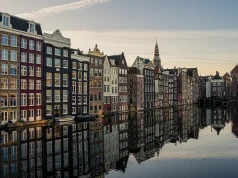
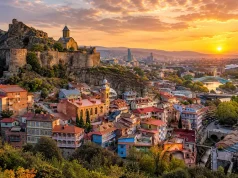
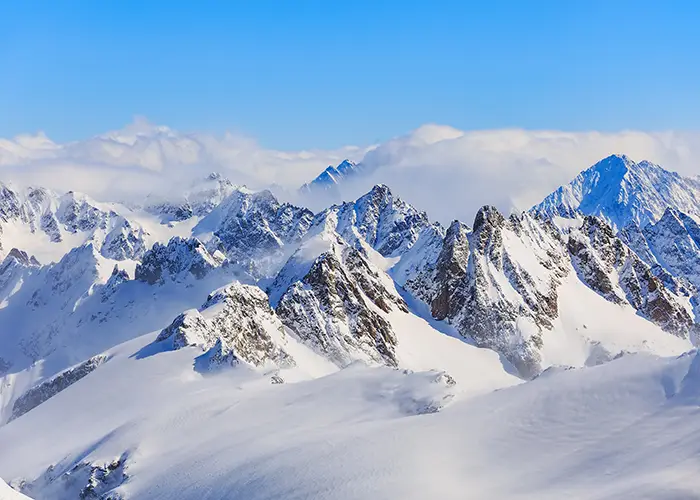
The air feels different at 3,000 meters above sea level. Crisp winds carry the scent of pine and old ice across the jagged ridges of Europe. Many travelers find a sense of peace in these high places that cities cannot provide. Exploring the vast mountain ranges offers a chance to see nature in its rawest form.
Peak after peak stretches toward the horizon, crossing borders and cultures. Hikers spend days walking through meadows filled with wildflowers. Every trail leads to a new view that feels untouched by time.
Rising Interest In Mountain Travel
Mountain regions have seen a massive surge in visitors over the last few years. Europe held a 36.9% share of the global adventure tourism market in 2024. Travelers are looking for ways to spend time outside and challenge their physical limits.
Infrastructure in the mountains has improved to meet this high demand. Remote huts now offer comfortable beds and warm meals to weary climbers. Modern transport systems make it easier to reach the start of high-altitude trails.
Iconic Peaks Of The Western Alps
Mont Blanc stands as the tallest point in Western Europe and attracts thousands of visitors each year. Completing a Mont Blanc summit course is a major goal for many aspiring mountaineers, and booking a designated tour can make the experience easier and fun. Success on the mountain requires a mix of technical skill and mental grit.
The surrounding massif features deep glaciers and sharp granite spires. Weather patterns change fast here, shifting from clear skies to storms in minutes. Climbers must respect the power of the environment at all times.
Adventure Sports For Every Season
Snow sports are not the only way to enjoy the slopes during the winter season. Many people visit for snowshoeing or ice skating on frozen alpine lakes. Paragliding offers a unique view of the valleys from high above.
Gliding through the air gives a perspective that ground-based travel cannot match. Summer visitors enjoy mountain biking through steep forests and meadows. Trails range from easy family paths to expert downhill tracks.
Rock climbing on sun-warmed cliffs is a favorite activity in the warmer months. Climbers use ropes and gear to scale routes of varying difficulty. Every summit reached provides a sense of achievement and a stunning view.
Preparing For Vertical Challenges
Successful trips into the high mountains need some level of physical preparation. A climbing expert pointed out that athletes should maintain a pace of 400 vertical meters per hour for several days. Building this level of endurance takes months of dedicated training.
Cardio sessions help the heart handle the thin air found at high elevations. Strength training protects the joints during steep descents on loose rock. Consistency remains the biggest factor in your preparation routine.
- Weekly long hikes with a weighted pack
- Interval training to improve oxygen use
- Balance exercises for technical terrain
- Flexibility for steep climbing moves
Famous Faces Of High Altitude Granite
Some walls in the range are famous for their difficulty and history. The north face of the Eiger is a feared challenge with a 5,900-foot wall of rock. Professional climbers have spent decades studying the best routes up this vertical face.
Watching the sunrise hit the peak of the Matterhorn is a highlight for many. The distinct pyramid shape makes it one of the most recognized mountains on the planet. Visitors will stay in nearby villages to capture the perfect photo of the summit.
Technical Skills For Safety
Rope work is a skill that every mountaineer must master before heading onto the ice. Learning how to tie into a harness and secure a partner is a basic requirement. Practicing these moves on small hills builds the muscle memory needed for higher stakes.
Glacier travel adds another layer of complexity to the adventure. Hidden cracks in the ice pose a risk to those who walk without a rope. Teamwork is required to navigate these frozen fields safely.
Gear For The Modern Explorer
The right clothing keeps the body warm and dry in harsh conditions. Layering systems allow you to adjust to temperature swings throughout the day. Synthetic materials wick sweat away from the skin during intense efforts.
- Sturdy mountain boots with crampon compatibility
- Lightweight climbing helmet for head protection
- Polarized sunglasses to prevent snow blindness
- Adjustable trekking poles for stability
Seasonal Weather Patterns
Summer brings long days and stable conditions for most high-altitude routes. Melting snow reveals paths that stay hidden during the colder months. Afternoon thunderstorms are common, and travelers should plan to finish their hikes earlier.
Winter transforms the peaks into a playground for skiers and snowboarders. Deep powder covers the valleys and creates a quiet atmosphere. Safety experts monitor the snowpack to predict the risk of slides on steep slopes.
Biodiversity In Remote Valleys
Wildlife thrives in the areas where humans rarely tread. Golden eagles soar above the cliffs looking for small prey. Chamois and ibex move with ease across rock faces that look impossible to climb.
Plants have adapted to survive the short growing seasons and freezing nights. Low-growing shrubs and mosses cling to the soil in the alpine zone. Protecting these fragile ecosystems is a priority for local conservation groups.
Cultural Heritage Of The High Country
Small villages tucked into the valleys preserve traditions that are centuries old. Local farmers produce cheese and honey using methods passed down through families. Architecture in these towns reflects the need to survive heavy snow and wind.
Sharing a meal in a mountain lodge is part of the alpine experience. Guests swap stories about their day while enjoying hearty stews. This sense of community makes the mountains feel like a second home for travelers and mountaineers.
The sound of cowbells echoes through the meadows during the summer months. Farmers move their herds to higher pastures to find the freshest grass. Seasonal migration is a ritual that defines life in the high country.
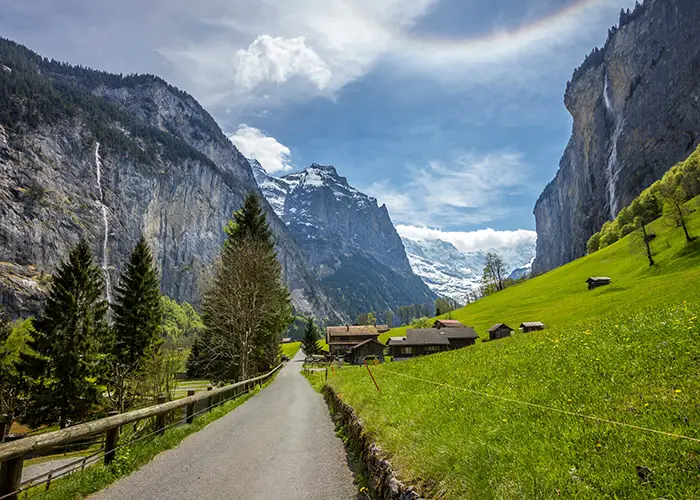
Spending time in the clouds changes the way people see the world. The scale of the mountains makes daily worries feel small and distant. Every trip into the range is an opportunity to learn something new about nature.
Find the right path with some patience and a good map. Quiet moments by a glacial lake offer a chance to reflect on the journey. The Alps remain a place where adventure and peace exist in perfect balance.