

There’s a particular kind of travel that becomes possible once you’ve left the rush of career and young family life behind. Slower. More deliberate. With the time to actually absorb where you are instead of racing to the next thing on the itinerary. For travellers in their sixties, seventies, and beyond, this is when some of the world’s most remarkable destinations finally get the attention they deserve.
Two regions stand out above almost everything else for this kind of travel: the Kimberley in Australia’s remote northwest, and the great wilderness areas of Africa. Both demand unhurried immersion. Both reward the kind of traveller who has learned to be present. And both are more accessible than many people assume.
Why Later Life Is the Right Time for Big Wilderness Travel
Younger travellers tend to underestimate wilderness destinations. They pass through quickly, tick the highlights, and move on. The Kimberley and the African savanna are places that genuinely reveal themselves over time, over multiple game drives, over evenings spent watching a sky full of stars with no light pollution for hundreds of kilometres.
There’s also the physical reality to consider. Travelling well in remote or wildlife-rich environments isn’t about being young and physically robust. It’s about pace, patience, and the ability to sit quietly and observe. These are skills that tend to improve with age, not diminish.
The travel industry has also caught up with the reality that older travellers are among the most experienced, discerning, and well-resourced in the world. Purpose-designed itineraries, better vehicle access, smaller group sizes, and a genuine focus on comfort alongside adventure have made these trips more enjoyable and less physically demanding than they once were.
The Kimberley: One of Earth’s Last True Wilderness Experiences
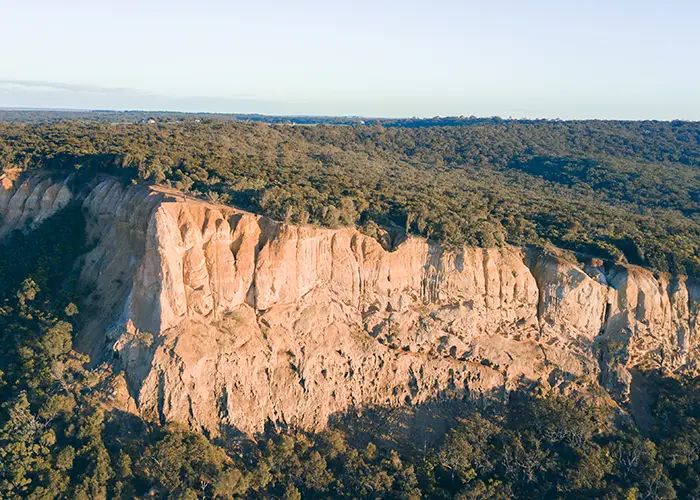
The Kimberley is extraordinary by any measure. Stretching across the far north of Western Australia, it covers an area roughly the size of Germany and contains some of the most dramatic and ancient landscape on the planet. Gorges carved over millions of years, waterfalls that exist only in the wet season, tidal flats, remote beaches, boab trees that look like something from a different world entirely.
It is not an easy destination to reach or navigate independently, and that’s part of what makes a guided expedition so valuable here. The logistics of moving through the Kimberley require local knowledge, the right vehicles, and a deep understanding of seasonal conditions. A good guide doesn’t just get you from point A to point B. They give you the context that transforms what you’re seeing from impressive scenery into something genuinely meaningful.
For older travellers specifically, the experience has been refined to balance access with authenticity. Comfortable camp setups, flexible pacing, and itineraries designed around what’s actually possible and enjoyable rather than what sounds impressive in a brochure make a significant difference. Those interested in Kimberley tours for seniors will find purpose-designed expeditions that don’t compromise on the wilderness experience while genuinely accounting for the needs and preferences of mature travellers.
The Kimberley rewards those who give it time. A week is a minimum. Two weeks allows you to cover the range of environments that make this region so singular, from the Bungle Bungle Range to Mitchell Falls, from Horizontal Falls to the remote river systems that few Australians have ever seen.
What to Look For in a Kimberley Tour
The difference between a good Kimberley tour and a great one usually comes down to group size and guide quality. Smaller groups move more flexibly, stop more spontaneously, and create an environment where questions get answered and stories get told around the fire rather than announced over a microphone.
Guide expertise is the other critical variable. The Kimberley has layers: geological, ecological, cultural, and historical. A guide who understands all of them gives you a fundamentally different experience from one who knows the route but little else.
Accommodation options range from permanent safari-style camps to swag camping under open skies, and the best operators offer a clear picture of what each option involves so you can choose what genuinely suits you. Don’t be shy about asking detailed questions before you book. The right operator will welcome them.
Africa: The Safari Experience That Changes How You See the World
For most travellers, an African safari sits somewhere near the top of the bucket list for years, sometimes decades, before it actually happens. And almost universally, those who finally make the trip say the same thing: it was more than they expected. More moving, more vast, more alive.
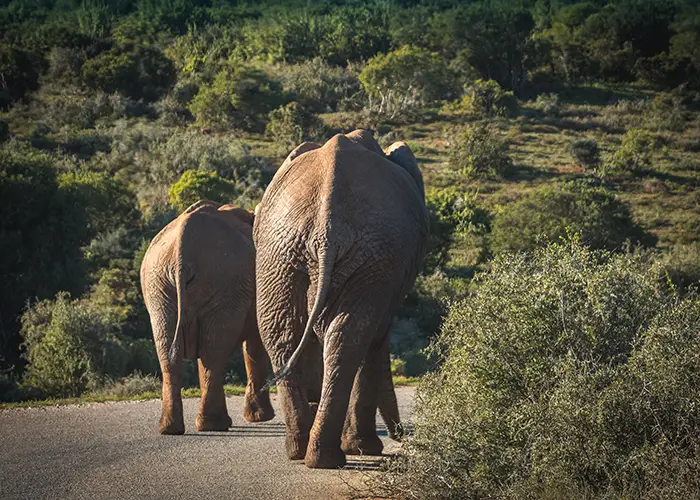
The African wilderness has a quality that’s hard to articulate until you’ve experienced it. Sitting in an open vehicle at dawn as a pride of lions moves past at close range. Watching a herd of elephants cross a river at dusk. The sound of hippos at night from a tented camp on the banks of the Zambezi. These are experiences that recalibrate something in you that you didn’t know needed recalibrating.
Africa is also a continent of enormous variety, and the safari experience differs significantly between East Africa, Southern Africa, and Central Africa. Choosing the right country, the right national park, and the right time of year makes an enormous difference to what you’ll see and how the experience feels. Getting that wrong means missing migrations, encountering the wrong seasonal conditions, or spending time in areas that don’t match your interests or physical preferences.
This is exactly why specialist guidance matters so much for African travel. Working with an Africa travel specialist who has deep, on-the-ground knowledge of the continent means your itinerary is built around your specific interests, your travel style, and what’s genuinely happening in each region during the time you’re visiting. It’s a fundamentally different level of service from booking a generic package.
For older travellers in particular, a specialist’s ability to tailor comfort levels, manage physical requirements, and choose camps and vehicles that suit your needs is invaluable. Not all safari camps are equal, and not all experiences are appropriate for every traveller. A specialist narrows the field intelligently.
Planning Both: Getting the Sequencing Right
Some travellers ask whether it makes sense to combine the Kimberley and Africa into a single extended trip. The honest answer is that both experiences are substantial enough to stand alone, and trying to do both in one go risks diminishing each of them.
The Kimberley and Africa are at their best when you arrive with time and headspace to absorb them properly. Back-to-back wilderness immersion can be physically tiring and emotionally overwhelming in a way that leaves you unable to fully appreciate either.
Our suggestion is to treat them as separate journeys, ideally one to two years apart, so each gets your full attention. For more on planning adventure travel itineraries that suit your pace and priorities, there’s a wealth of resources to help you think it through before you commit.
Final Thoughts
The world’s great wilderness areas are not going anywhere, but the window of life in which you have the time, the financial freedom, and the good health to experience them properly is more finite than most of us like to admit.
The Kimberley and Africa both belong on the list of places worth going to before you stop going places. They are humbling in the best possible way, and they have a way of reminding you why travel matters in the first place.
Start planning. The only real mistake is waiting too long.