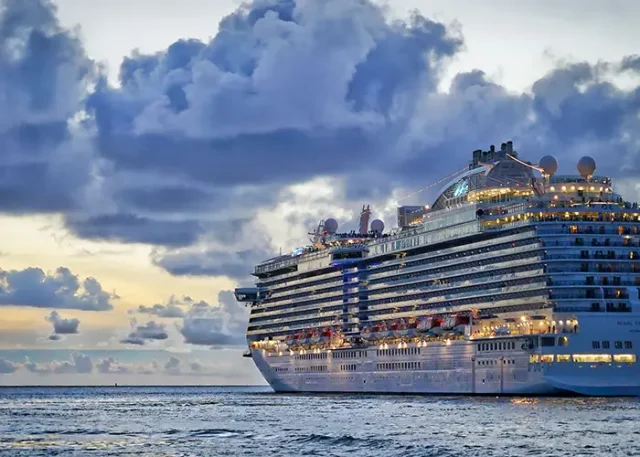
Stepping onto a massive cruise ship feels like entering a floating city. You see the pools, the buffets, and the endless horizon. It is easy to forget that these ships operate under strict rules to keep everyone safe. Many travelers skip reading the fine print before they pack their bags. Doing so can lead to stress at the port or missed opportunities on board. Staying informed about current maritime regulations makes your journey much smoother. You will spend less time worrying and more time enjoying the sun.
Preparing Your Luggage for Boarding
Packing for a sea voyage requires more thought than a standard road trip. Safety remains the top priority for the crew, so a National Drug Screening workplace testing program helps maintain high standards for the staff who manage these checkpoints. This level of oversight makes sure that the people handling your gear are professional and alert. You might find that some items you take for granted are actually restricted to the water. Check your cruise line website for a specific list of items that stay at home. Keeping your bags light and compliant saves time during the boarding process.
Navigation Through Port Security
Passing through the terminal is the first real step of your vacation. You should prepare for metal detectors and X-ray machines just like at an airport. A government transportation agency mentions that travelers should stick to containers of 3.4 ounces or less for liquids in carry-on bags. This rule helps security staff move lines quickly without unnecessary delays. You can pack larger bottles in your checked luggage that goes straight to your cabin. Make sure all your liquids are sealed tightly to prevent leaks during transit. Small spills can ruin your clothes before the trip even starts.
Understanding Professional Standards
The people who run the ship have to follow many laws to stay in operation. These laws cover everything from navigation to health and safety. According to recent maritime safety guidelines, drug tests are a standard requirement for almost all professional maritime transactions. This rule keeps the crew sharp and ready for any task at hand. It applies to those seeking new licenses or renewing their current ones. You can rest easy knowing the captain and crew are held to these strict benchmarks. These rules are part of a global effort to keep international waters safe.
Prohibited Items and Restricted Goods
Cruises have very specific lists of what you cannot bring on board. Some items are fire hazards – these are strictly forbidden for the safety of everyone on the ship. Other things might be restricted for legal reasons.
- Ironing boards and clothing irons.
- Heating pads or electric blankets.
- Candles and incense.
- Large quantities of bottled water.
- Power strips with surge protectors.
- Illegal substances and drug paraphernalia.
- Sharp objects or weapons.
- Drones without prior approval.
You should double-check your list before you zip up your suitcase. Security will confiscate any item that breaks the safety code. Most lines provide a list of prohibited goods in your booking documents.
Onboard Beverage Policies and Limits
Managing your thirst on a ship involves knowing a few key rules. Most cruise lines have limits on how much soda or water you can carry. Alcohol is often restricted to a single bottle of wine per person at embarkation. If you buy spirits at a port, the crew will hold them for you until the last night. This prevents excessive drinking and maintains a family atmosphere. You should look into beverage packages if you plan on drinking often. These plans offer a set price for a variety of drinks throughout the day.
Corkage Fees and Dining Room Rules
If you bring your own wine to dinner, be ready for a small fee. The waiters provide the glasses and service for your personal bottle. This fee is usually around $15 to $25 per bottle. It helps cover the cost of the staff and the cleaning of the glassware. Many guests find this to be a fair deal for enjoying a special vintage.
Health and Cleanliness Guidelines
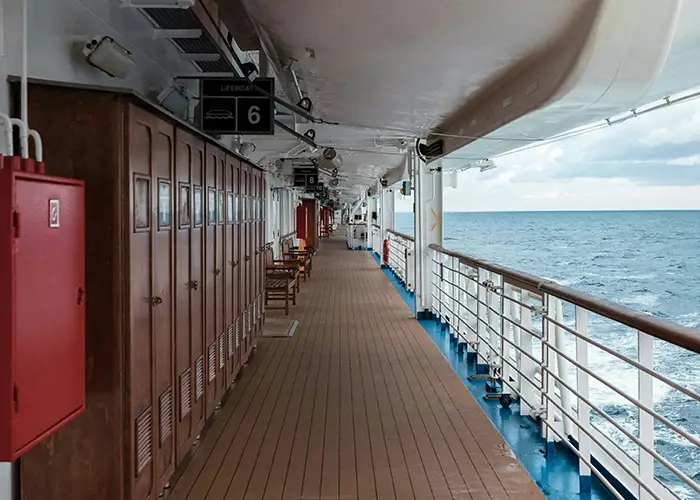
Ships are crowded places where germs can spread fast. The crew works hard to keep the environment clean and healthy. You will see hand sanitizing stations at every dining room entrance. Using these stations is a simple way to protect yourself and others. If you feel sick, stay in your cabin and call the medical center. They can provide advice and help you get back on your feet. Staying healthy means you can enjoy every minute of your trip.
Digital Rules and Power Usage
Modern ships have limited electrical capacity in the cabins. Older vessels might only have one or two outlets for all your gadgets.
- Unplug your chargers when you are not using them.
- Avoid using multi-plug adapters that do not meet ship standards.
- Limit the use of high-wattage items like hair dryers.
- Download your movies and music before you leave home.
- Set your phone to airplane mode to avoid huge roaming fees.
- Log out of the ship Wi-Fi when you are finished to save data.
Managing your power and data helps everyone stay connected. The ship network can get slow when thousands of people are online. Being mindful of your digital footprint makes the experience better for all.
Dining Room Etiquette and Dress Codes
The main dining room is a highlight of the cruise experience. Each night usually has a specific dress code for guests to follow. Casual nights are the most common and allow for nice jeans or slacks. Formal nights give you a chance to dress up in your best suits or dresses. Most ships do not allow shorts or flip-flops in the main dining room after 6 PM. If you prefer a more relaxed vibe, the buffet is always an option. Following these rules keeps the atmosphere elegant for everyone involved.
Your next cruise will be a success if you keep these rules in mind. Knowing what to pack and how to act on board saves you from unwanted surprises. Each cruise line has its own unique set of policies, so keep a copy of your guest conduct policy handy. Respecting the crew and your fellow passengers makes the journey better for everyone. Pack your bags with confidence and get ready to sail the high seas. Your adventure is waiting just beyond the horizon.