Towing a trailer or caravan opens up a world of possibilities for your next holiday. You get to bring your home with you and explore remote locations at your own pace. Many travelers find that the freedom of the open road is unmatched when they have everything they need hitched to the back of their vehicle.
Preparation remains the key to a stress-free trip. Take the time to learn the basics to handle the journey ahead. Safety begins before you even pull out of the driveway.
Getting Ready For Your Next Big Adventure
The vehicle handles differently, and your stopping distances increase. Think about how the added mass affects your steering and acceleration. Planning your route carefully helps you avoid narrow tracks or steep inclines that might challenge your towing capacity.
Many drivers forget that their fuel consumption will rise when they are pulling a heavy load. Map out service stations that have enough room for a large rig to maneuver easily. Trying to turn around in a tight space is a situation every traveler wants to avoid. Keeping a calm head and practicing your skills beforehand will build the confidence you need for the highway.
Load Distribution For Better Stability
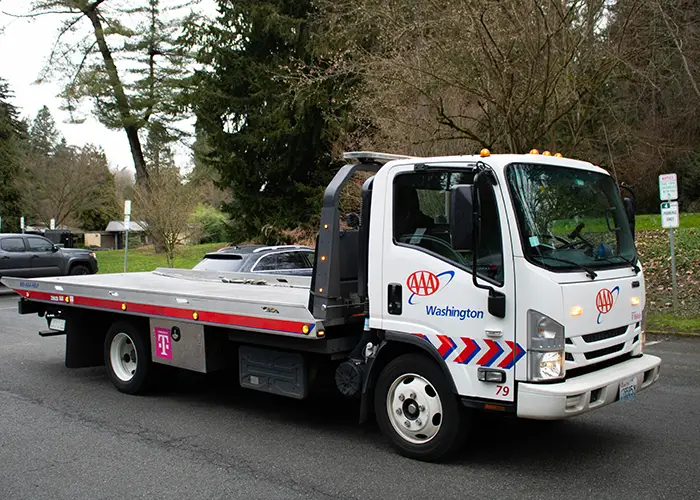
Keeping your load balanced is the secret to a smooth ride on uneven surfaces. Expert assistance is needed when transporting caravans across long distances or rugged terrain. A stable trailer prevents swaying and keeps the driver in control during sudden movements. The balance protects the chassis from unnecessary stress and helps the suspension work as intended.
Putting too much weight at the rear creates a seesaw effect that can lift the back of your car. If the front of the trailer is too light, the wheels of your vehicle might lose traction. Proper weight distribution takes practice but pays off in safety.
Driving Speed And Road Safety Guidelines
High speeds make it harder to react to hazards or sudden gusts of wind from passing trucks. Speed limits for cars pulling a caravan are capped at 97 km/h on major motorways and 80 km/h on single-carriageway roads. Staying within these limits gives you more time to brake if the car in front stops suddenly.
Most trailers are not designed for high-speed racing and can become unstable if pushed too far. Sticking to the left lane allows faster traffic to pass without causing frustration. It is better to arrive a few minutes late than to risk a rollover by driving too fast.
Checking Your Equipment Before Hitting The Highway
A thorough mechanical check should be part of every pre-departure routine. Small issues can turn into major problems when you are miles away from the nearest town.
Tyre-related breakdowns for towed vehicles increased by 6.8% recently, whereas trailer tyre issues spiked by 9%. Regular inspections are the only way to catch these problems before they leave you stranded.
- Verify that the hitch is securely locked and the safety chains are crossed
- Check the tyre pressure on both the vehicle and the trailer while they are cold
- Test all signal lights and brake lights to confirm they are working
- Inspect the brake controller settings to match the weight of your current load
Greasing the tow ball decreases friction and noise during tight turns. Look for any signs of rust or wear on the frame of your trailer. Take 10 minutes to walk around your rig and save hours of waiting for a mechanic on the side of a dusty road.
Mastering The Art Of Maneuvering A Trailer
Backing up a trailer is the most intimidating part of the journey for new travelers. Moving the bottom of the steering wheel in the direction you want the trailer to go is a handy trick. Small adjustments are much more effective than large, sweeping turns that can lead to jackknifing.
If you find yourself getting frustrated, it is perfectly fine to pull forward and start again. A spotter can make the process much faster and safer for everyone involved. They can see the blind spots that you cannot see from the driver’s seat. Clear communication between the driver and the spotter prevents accidents in crowded campsites or narrow parking lots.
Preventing The Dangerous Pendulum Effect
Trailer sway is a terrifying experience that occurs when the back of the rig starts moving side to side. Aim for roughly 60% of the weight in the front half of the trailer to stop the unit from acting like a swinging pendulum. This forward bias keeps the trailer tracking straight behind your car.
- Slow down gradually if you feel the trailer start to wobble or vibrate
- Avoid slamming on the brakes since that can make the swaying worse
- Keep the steering wheel straight and wait for the vehicle to stabilize itself
- Apply the manual trailer brake override if your vehicle is equipped with one
Most experts recommend that about 10% of the total trailer weight should rest on the tow ball. A trailer that is hard to handle might need to move some gear forward.
Managing Visibility And Blind Spots While Traveling
Have a clear view of the road behind you for safe lane changes and merging. Standard side mirrors are rarely wide enough to see past a full-sized caravan. Adding extension mirrors provides the extra width needed to see the rear corners of your trailer. You should be able to see the entire side of your rig and a portion of the lane next to you.
Blind spots are much larger when you are towing, so you need to check your mirrors more frequently. Using your indicators early gives other drivers plenty of time to move out of your way. Modern technology, like rear-view cameras on the back of the trailer, can offer even more assurance.
Every trip provides a chance to refine your skills and become a more capable driver. When you prioritize safety and preparation, you can focus on making memories with your family. The road ahead is full of opportunities for those who are ready to handle the challenge. Enjoy the journey and stay safe out there.