Traveling to remote destinations has become increasingly popular among modern travelers. Whether exploring mountains, quiet countryside towns, or isolated islands, remote travel offers an opportunity to disconnect from the noise of everyday life. However, even in these peaceful places, staying connected remains important for safety, communication, navigation, and entertainment.
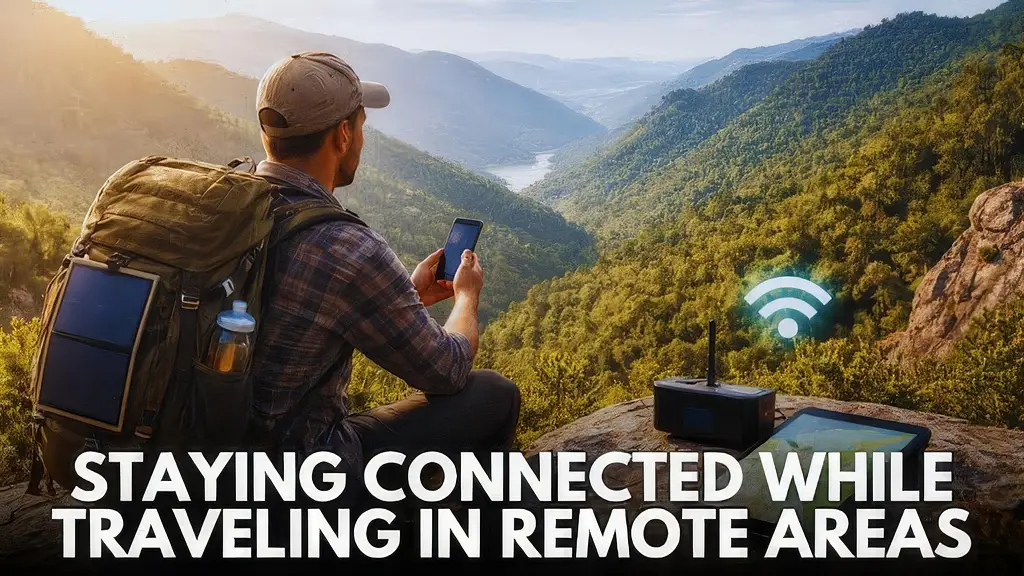
Fortunately, technology has made it easier to maintain connectivity even in areas where internet access used to be limited. With the right preparation and digital tools, travelers can stay in touch with loved ones, manage travel plans, and even enjoy leisure activities while exploring off-the-grid destinations.
This guide explains how travelers can stay connected in remote areas while still enjoying the relaxing atmosphere that makes these destinations so appealing.
Why Connectivity Matters When Traveling
Although many people travel to escape constant notifications and busy routines, completely disconnecting from the digital world can sometimes create challenges. Staying connected during travel helps ensure both safety and convenience.
For example, communication becomes essential during emergencies. If unexpected situations occur, such as severe weather, injuries, or transportation delays, having access to messaging or calling services can help travelers quickly reach assistance.
Connectivity is also helpful for navigation. Modern travelers rely heavily on GPS-based apps to locate hotels, restaurants, and attractions. In remote locations where roads may not be clearly marked, having access to digital maps can prevent travelers from getting lost.
Additionally, internet access allows travelers to check bookings, manage transportation schedules, and stay updated on travel advisories. Even a limited connection can provide useful information that makes the trip smoother.
Finally, staying connected provides peace of mind for friends and family back home. Sending quick updates or location messages reassures loved ones that the traveler is safe.
Preparing Your Devices Before the Trip
Preparation plays a major role in maintaining connectivity while traveling in remote areas. Before leaving for the trip, travelers should ensure that their devices are ready for limited network conditions.
Start by updating your smartphone, tablet, or laptop. Updates often improve device performance, security, and compatibility with travel apps.
Next, download essential apps and offline content. Navigation tools allow users to download entire maps that can still function without internet access. Travelers should also save travel confirmations, identification copies, and hotel details in offline storage.
Charging equipment is another essential travel item. Portable power banks ensure that smartphones and tablets remain powered throughout the day. Solar chargers can also be extremely useful for outdoor travelers who may spend extended periods without electricity.
These small preparations can make a big difference when traveling in remote destinations.
Using Local Connectivity Solutions
When visiting remote regions in another country, local mobile carriers often provide better coverage than international roaming services. Purchasing a prepaid local SIM card can improve signal strength and reduce mobile data costs.
Another useful option is a portable Wi-Fi hotspot device. These compact gadgets connect to cellular networks and create a personal internet connection that can be shared across multiple devices.
Travelers who rely on stable connectivity for communication, remote work, or navigation may find portable hotspots particularly helpful. They can provide stronger connections in areas where a single smartphone signal may be weak.
Using local connectivity solutions helps travelers stay online even in rural locations where network coverage may vary.
Managing Connectivity While Exploring
While having internet access is helpful, travelers should also manage how often they rely on it. Remote travel is meant to provide a break from everyday digital distractions.
Setting boundaries for internet use can improve the travel experience. For example, travelers can check messages or updates during specific times of the day while leaving the rest of the time free for exploration.
This balance allows travelers to enjoy scenic landscapes, cultural experiences, and meaningful conversations without constantly focusing on their devices.
Many travelers discover that limited connectivity actually enhances their trip by encouraging them to stay present in the moment.
Leisure Activities During Quiet Travel Moments
Traveling to remote areas often includes quiet evenings, long transportation rides, or relaxed downtime after a day of exploration. During these moments, having digital entertainment options can make the trip more enjoyable.
Reading, streaming videos, listening to music, or playing mobile games are common ways travelers stay entertained while resting. Card games are especially popular because they are easy to play, quick to learn, and suitable for short sessions.
Many digital gaming platforms continue to release new titles that travelers can enjoy while on the road. Updates from GameZone casino games news often highlight fresh digital card games inspired by classic table games.
These games can provide fun entertainment during long bus rides, waiting periods at airports, or relaxing evenings at remote accommodations.
Card Games as a Travel Tradition
Card games have long been part of travel culture. For decades, families and friends have brought card decks during trips to pass the time and enjoy friendly competition.
Today, digital versions of these classic games allow travelers to enjoy the same experience directly from their smartphones or tablets. Whether playing solo or competing with other players online, card games offer quick entertainment without requiring large amounts of data.
You can also follow GameZone casino games news to discover updates about popular card game titles and new releases. These updates can introduce travelers to fresh gaming options that are perfect for relaxing during travel downtime.
Because card games are simple, social, and easy to access, they remain one of the most enjoyable leisure activities during remote travel.
Digital Gaming and Travel Relaxation
After a long day of hiking, sightseeing, or exploring nature, relaxing with a short gaming session can be a fun way to unwind. Casual gaming provides mental stimulation while still allowing travelers to rest.
Platforms featured in GameZone casino games news often showcase digital card games and casual titles that are easy to play during short breaks. These games typically require minimal setup and can be enjoyed almost anywhere with a smartphone.
For travelers who enjoy gaming, checking GameZone casino games news can also help them stay updated on new releases, game features, or updates that might make their travel downtime more entertaining.
This type of digital leisure complements travel experiences by offering relaxation without requiring heavy attention or long play sessions.
Final Thoughts
Staying connected while traveling in remote areas is easier today than ever before. With proper planning, travelers can maintain communication, access navigation tools, and enjoy digital entertainment even in isolated locations.
Downloading offline maps, carrying portable chargers, and using local connectivity solutions can help ensure reliable communication during the trip. At the same time, leisure activities such as digital card games and updates from GameZone casino games news can provide entertainment during quiet travel moments.
By combining smart technology use with mindful exploration, travelers can enjoy the best of both worlds—remaining connected for safety and convenience while fully embracing the adventure and tranquility of remote travel.