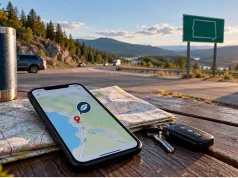


Travel usually means freedom and relaxation, a break from daily stress. Still, for many people, worries about money tend to follow them, no matter where they go.
Rising living costs, growing debt balances, and ongoing financial uncertainty have made it increasingly difficult for many individuals to fully enjoy travel without worrying about expenses waiting for them at home. This is why some people eventually begin exploring what financial recovery options may exist, including reviewing what you lose when filing for bankruptcy before debt becomes harder to manage long-term.
The goal isn’t just to lower debt. For many, it’s about regaining enough financial stability to enjoy life without always feeling stressed about money.
How Financial Pressure Quietly Affects Everyday Life
Debt rarely affects only finances.
When money worries last a long time, they can quietly change how people act. Someone might spend less, avoid looking at their bank account, or put off big decisions because they’re trying to handle the stress month after month.
During travel, this stress can show up in different ways, like:
- Feeling anxious about spending during trips.
- Avoiding vacations altogether.
- Relying too heavily on credit while traveling.
- Struggling to relax because of financial concerns.
Over time, money worries can turn fun experiences into new sources of stress.
That’s why more people are working on better financial habits before things get overwhelming, especially when trying to balance enjoying life with staying stable long-term. Good budgeting and cutting out extra money stress can help bring more peace of mind while traveling.
When Budgeting Alone Stops Solving the Problem
Budgeting is important, but there are situations where budgeting alone may not fully resolve ongoing financial pressure.
Unexpected emergencies, medical bills, job changes, higher interest rates, or using credit for too long can lead to debt that’s hard to handle, even if you spend carefully.
That’s often when people start looking into more structured ways to recover financially.
For example, some people compare debt settlement with repayment plans to see which might help them build a more stable financial future.
Others take time to learn which debts bankruptcy can or can’t erase before making big choices about how to handle their debt.
Learning about these options isn’t always about using them right away. It’s about feeling less uncertain and knowing what choices you have if money stress keeps growing.
Why Addressing Debt Earlier Matters
One of the biggest money mistakes is waiting too long to take another look at your situation.
Financial strain often builds gradually:
- Interest charges continue increasing.
- Minimum payments become harder to manage.
- Financial flexibility decreases.
- Stress becomes more constant.
The Consumer Financial Protection Bureau says that learning about your financial rights and looking at debt solutions early can help you make better choices before things get much harder (https://www.consumerfinance.gov/consumer-tools/debt-collection/).
Recognizing financial pressure earlier often creates more flexibility and more opportunities to recover strategically rather than reactively.
Building More Freedom Through Financial Stability
For many people, travel represents freedom, flexibility, and the ability to enjoy life more fully.
But genuine peace of mind while traveling often depends on having enough financial stability to feel secure both during the trip and after returning home.
This does not require perfection. It simply requires a willingness to evaluate finances honestly, build healthier long-term habits, and address growing financial pressure before it quietly begins controlling everyday decisions.
Because ultimately, financial stability is not just about money. It is about creating enough freedom to fully enjoy the experiences that matter most.