Food has always been an important part of culture, tradition, and community. For centuries, local ingredients and regional cooking techniques shaped the way people ate around the world. However, globalization has dramatically transformed how we experience food today. The movement of people, ideas, and goods across borders has created a global culinary landscape where flavors, ingredients, and cooking styles from different cultures are now more accessible than ever.
As a result, our relationship with food has evolved. What was once considered exotic or rare is now often just a few clicks or a short trip away.
The Rise of International Cuisine
One of the most noticeable effects of globalization is the widespread availability of international cuisine. Restaurants featuring dishes from countries across the globe can now be found in cities and towns almost everywhere.
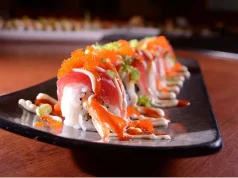
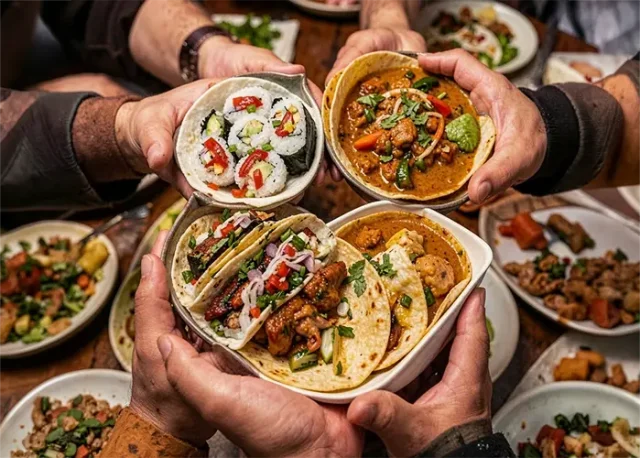
Foods like sushi, tacos, ramen, pizza, and curry have traveled far beyond their countries of origin and become staples in many parts of the world. People are increasingly open to trying new flavors and culinary traditions, which has led to a more diverse dining culture.
This global exchange of food has also encouraged chefs to experiment with different ingredients and cooking styles, resulting in creative fusion dishes that combine elements from multiple cuisines.
Easier Access to Global Ingredients
Global trade and modern logistics have made it possible to access ingredients that were once limited to specific regions. Supermarkets and specialty stores now carry spices, fruits, vegetables, and sauces from around the world.
For home cooks, this means the ability to recreate authentic dishes from different cultures without needing to travel internationally. Ingredients like miso paste, coconut milk, quinoa, and gochujang have become increasingly common in everyday cooking.
Online resources and food-focused platforms have also played an important role in helping people discover new recipes and cooking techniques. For example, websites like justalittlebite .com share recipes, cooking ideas, and inspiration for food lovers who want to explore new flavors and dishes. Platforms like this make it easier for people to experiment with global cuisine in their own kitchens.
Cultural Exchange Through Food
Globalization has also turned food into an important form of cultural exchange. When people try dishes from different parts of the world, they are often introduced to the history, traditions, and customs behind those meals.
Food festivals, international markets, and cultural events frequently highlight traditional dishes and cooking techniques from various cultures. These experiences allow people to learn about different culinary traditions while also celebrating cultural diversity.
For many immigrants, sharing traditional foods with new communities can also be a meaningful way to preserve cultural identity and introduce others to their heritage.
The Influence of Social Media and Digital Platforms
Social media and digital platforms have accelerated the global spread of food trends. Viral recipes, cooking tutorials, and food photography often introduce millions of people to dishes they may never have encountered before.
Platforms like Instagram, YouTube, and TikTok have helped popularize international street foods, traditional desserts, and unique cooking techniques. As people share their culinary experiences online, new food trends quickly spread across continents.
This digital influence has also encouraged restaurants and food creators to innovate, blending traditional recipes with modern presentations and creative twists.
The Growth of Fusion Cuisine
Another significant impact of globalization is the rise of fusion cuisine. Fusion dishes combine ingredients, cooking methods, or flavors from different culinary traditions to create something entirely new.
Examples include sushi burritos, Korean tacos, or ramen burgers—dishes that blend cultural influences in unexpected ways. While fusion cuisine sometimes sparks debate about authenticity, it also reflects the dynamic nature of modern food culture.
For many chefs, fusion cooking represents an opportunity to experiment and celebrate the diversity of global flavors.
Challenges of Globalized Food Culture
While globalization has expanded culinary possibilities, it has also introduced certain challenges. One concern is the risk of losing traditional cooking practices as global food chains and standardized products become more widespread.
Local food traditions can sometimes be overshadowed by mass-produced meals and global restaurant franchises. In some regions, preserving traditional recipes and culinary techniques has become an important effort to maintain cultural heritage.
Additionally, globalization can raise questions about sustainability and food sourcing. As ingredients travel longer distances, concerns about environmental impact and ethical production have become increasingly important.
A More Connected Culinary World
Despite these challenges, globalization has ultimately created a more connected culinary world. People now have more opportunities than ever to explore different flavors, learn about global cultures, and experiment with new cooking styles.
Food has become a universal language that brings people together across borders and traditions. Whether through international restaurants, online recipes, or home cooking experiments, globalization continues to shape the way we discover and enjoy food.
As global connections continue to grow, our culinary experiences will likely become even more diverse, creative, and interconnected—making food one of the most exciting ways to explore the world without leaving the table.