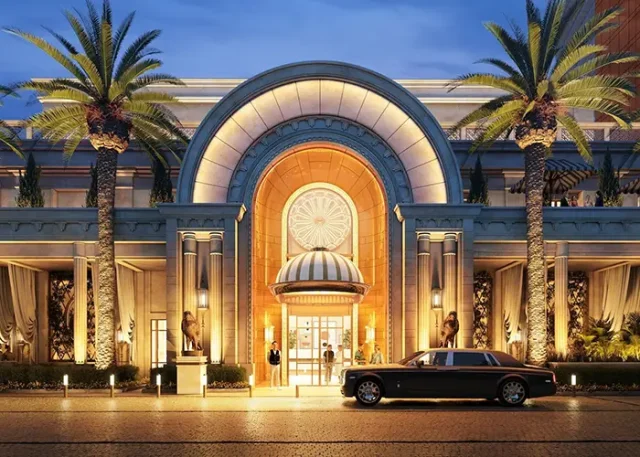
The Wynn Al Marjan Island project in Ras Al Khaimah has been forecast to deliver a major economic boost to the United Arab Emirates (UAE).
Every casino in Dubai ranked on haztayeb-uae.com will undoubtedly benefit, with land-based gambling renowned for triggering growth in the online sector.
While Ras Al Khaimah will be the direct beneficiary from the new venue, Dubai is ideally located to benefit from the traffic, capital and business activity the project will generate.
Dubai is the Main International Gateway
Dubai International Airport (DXB) is the UAE’s most powerful arrival point for global travellers.
Wynn Al Marjan Island is located less than 50 miles from DXB, making it close enough for high-value visitors to combine both places in one trip. That creates immediate benefits for Dubai’s aviation, transport and hospitality sectors.
Premium airport services, limousine firms, luxury car rentals, private chauffeurs and travel management companies are all likely to capture demand from visitors heading north.
Dubai hotels may also benefit from pre-arrival and post-resort stays, especially among long-haul travellers who prefer to spend one or two nights in the city before moving to Ras Al Khaimah.
The city’s tourism economy has been built around connectivity, convenience and high-spending stopover travel. Wynn Al Marjan Island gives that model another reason to grow.
A Stronger Two-Emirate Tourism Circuit
Visitors drawn to Ras Al Khaimah by Wynn’s entertainment, casino and beach resort offering are unlikely to ignore Dubai’s retail, dining, nightlife and business attractions.
For many international tourists, Dubai will be the familiar anchor destination. Ras Al Khaimah will then become the new extension to their trip to the UAE.
A traveller may fly into Dubai, spend two days shopping and dining in the city, move to Wynn Al Marjan Island for a resort stay before returning to Dubai.
Wynn gives the UAE a new product category, but Dubai still provides the wider ecosystem around it. That combination makes the project economically useful beyond Ras Al Khaimah.
Dubai’s Business Sector Will Service the Wynn Venue
A mega-resort requires legal services, financial structuring, marketing agencies, recruitment firms, construction consultants, logistics operators, interior suppliers and technology providers.
Dubai is already the regional base for many of those industries. That means a substantial share of the corporate work connected to the project will flow through Dubai-based companies.
International hospitality groups, consultants and investors often use Dubai as their Middle East headquarters because of its infrastructure, talent pool and financial services network.
As Ras Al Khaimah’s leisure economy expands, Dubai will remain the operational base for many firms servicing that expansion.
The meetings and events sector is another area to watch. Wynn Al Marjan Island will include a large meetings and events centre, which could attract corporate groups that also use Dubai for conferences, exhibitions and executive travel.
Instead of weakening Dubai’s events market, the project may make the UAE more attractive as a multi-stop business destination.
That would support airlines, hotels, destination management firms and professional services companies across both emirates.
Real Estate Capital Will Not Stay in One Place
The Wynn project has already helped lift investor interest in Ras Al Khaimah property.
Al Marjan Island, Mina Al Arab and other waterfront districts have become more visible to international buyers looking for growth outside Dubai’s mature prime market.
However, that does not mean Dubai loses. Many investors entering the UAE because of the Wynn project will still view Dubai as the safest long-term base for capital preservation.
Ras Al Khaimah may offer higher growth potential, but Dubai offers deeper liquidity, stronger resale demand and a more established luxury property market. That creates a natural split.
Some investors will buy into Ras Al Khaimah for appreciation and yield, while also holding property in Dubai for stability and prestige.
Areas such as Palm Jumeirah, Dubai Marina, Downtown Dubai and Dubai Creek Harbour could benefit from the broader inflow of regional capital.
The same principle applies to wealth management. New investors attracted by the integrated resort economy may still bank, structure companies and manage assets through Dubai.
This reinforces the city’s role as the UAE’s financial and investment hub.
A Wider UAE Win
Wynn Al Marjan Island is first and foremost a Ras Al Khaimah transformation story.
It will create jobs, accelerate infrastructure, raise property values and push the emirate deeper into the global tourism conversation.
However, Dubai is too central to the UAE economy to be left outside the impact. Its airport, hotels, banks, consultants, luxury retailers and real estate market are all positioned to benefit from the traffic and capital the project brings.
The likely outcome is a more diversified UAE tourism economy, with Dubai acting as the gateway and Ras Al Khaimah adding a new leisure anchor.