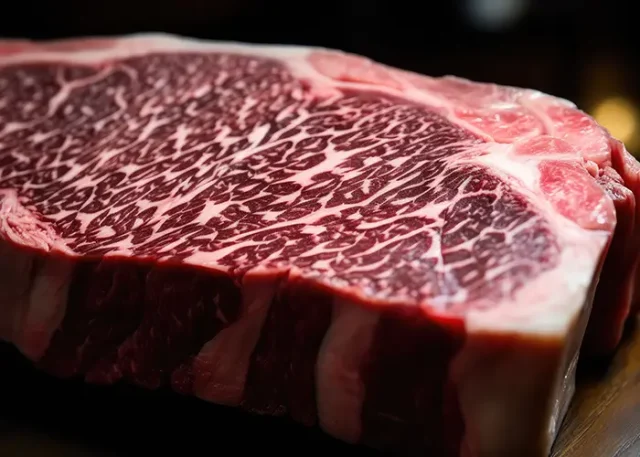
Wagyu beef has earned diners’ attention for its dense marbling, soft bite, and concentrated flavor. Still, a menu label alone does not tell the full story. Origin, cattle genetics, grading, cut, serving size, and heat control all shape the meal. A diner who knows these points can read a menu with confidence, choose wisely, and enjoy the beef without guesswork.
What Wagyu Means
Before choosing a steakhouse in Wagyu, guests should know what the term promises and what it does not. Wagyu means Japanese cattle, and the name points to breeds with unusual intramuscular fat. That fine marbling softens texture, carries flavor, and lingers on the palate. Menus may list Japanese, American, or Australian beef, each with different production rules.
Why Marbling Matters
Marbling is the pale fat dispersed inside lean muscle. In Wagyu, this fat can soften at a lower heat than standard beef fat. The result is a silky texture and a rich, rounded finish. More marbling often brings tenderness, but balance still matters. Large portions can overwhelm the palate, especially beside heavy sauces or creamy sides.
Japanese Wagyu
Japanese Wagyu follows strict grading for yield, color, firmness, texture, and marbling. A5 sits at the top of that system. These cuts often arrive in small portions because the fat content is intense. A few ounces can feel complete. Slow tasting works better than treating it like a large steak meant for rapid eating.
American Wagyu
American Wagyu usually comes from cattle with Japanese genetics crossed with domestic beef breeds. The result often keeps a familiar steak flavor while adding tenderness and richer fat. This style can suit guests ordering Wagyu for the first time. Ribeye, strip, filet, and burger blends are common, with portions that may feel more traditional.
Australian Wagyu
Australian Wagyu is known for organized breeding programs and clear marbling scores. Its flavor often lands between Japanese intensity and American beef character. A higher score usually means softer texture, more fat, and a longer finish. Clear scoring helps diners compare options without assuming every Wagyu cut carries the same richness.
Grades and Labels
Menu language deserves close attention. Fullblood, purebred, crossbred, A5, and marbling scores each describe different traits. Fullblood cattle have documented Japanese lineage without crossing. Crossbred beef can still taste excellent, but it is not identical to Japanese A5. Accurate labels help match price, portion, and expectation before the order is placed.
Best Cuts to Order
Ribeye shows marbling clearly and gives a lush mouthfeel. Strip steak offers a firmer bite with balanced richness. Filet is prized for tenderness, though flavor may be gentler. Short rib, skirt, and flank can perform well with skillful preparation. The right choice depends on appetite, fat preference, and desired eating style.
Cooking Matters
Wagyu rewards careful heat control. Excess cooking can drain fine fat and dull flavor. Many chefs sear briefly, rest the meat, and then slice it cleanly. Medium rare often protects tenderness, while very rich cuts may be eaten better closer to medium. Thin slices make dense marbling easier to appreciate without fatigue.
Portion Size
Wagyu is best eaten in measured portions. A large steak may sound appealing, but richness builds quickly. Smaller servings help diners notice texture, aroma, and finish. Sharing can be useful, especially with Japanese A5. Vegetables, potatoes, bitter greens, or bright salads can balance fat and keep the meal comfortable.
Flavor Pairings
Simple pairings serve Wagyu well. Salt, pepper, mushrooms, onions, light herbs, or gentle acidity can support the beef without masking it. Heavy sauces may cover the natural fat and mineral notes. Red wine, sparkling water, or a crisp cocktail can refresh the palate. Sides should add contrast through freshness, texture, or earthiness.
Price Expectations
Wagyu costs more because breeding, feed, grading, supply, and transport influence the price. Japanese A5 usually sits near the highest tier. American and Australian options may offer strong value with generous flavor. Diners should compare origin, grade, cut, and weight before judging cost. A lower price may reflect crossbreeding, portion size, or another grading scale.
Conclusion
Ordering Wagyu becomes easier once the main details are clear. Origin, marbling, grade, cut, heat control, and serving size all shape the final plate. Japanese A5 gives concentrated richness, while American and Australian styles may feel more familiar. The best order matches curiosity with appetite and budget. With restrained sides and careful cooking, Wagyu can become a thoughtful meal rather than a confusing menu label.