
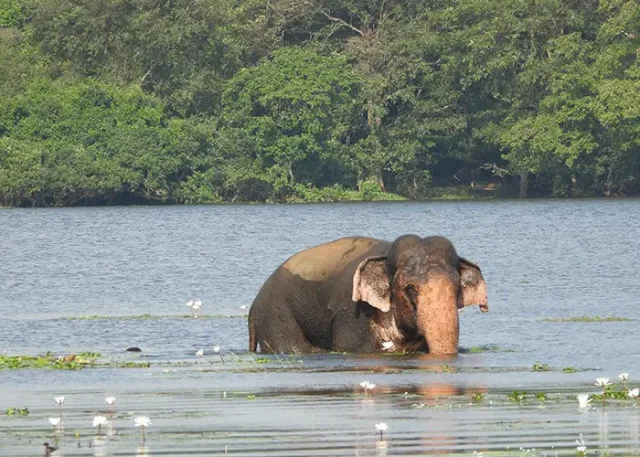
Uga Resorts has completed the second phase of a community elephant coexistence project near Uga Ulagalla, its luxury resort in Sri Lanka’s Anuradhapura region.
Developed in partnership with local residents and the Centre for Conservation and Research, the new five-kilometer electric fence is designed to protect 65 farming families and approximately 132 acres of agricultural land. At the same time, it allows endangered Sri Lankan elephants to move naturally through the surrounding habitat.
Officially opened on July 15, 2026, the project demonstrates how tourism businesses, conservation organizations and rural communities can work together to reduce human-elephant conflict.
Protecting Communities Without Restricting Elephant Movement
Traditional wildlife fences are often placed along protected-area boundaries, potentially restricting animals from moving between feeding grounds, water sources and other parts of their natural range.
Community elephant fences take a different approach. Instead of enclosing wildlife or dividing habitats, the fences are positioned around villages and cultivated land.
The new fence near Uga Ulagalla helps discourage elephants from entering farms and residential areas while leaving surrounding habitat accessible. It functions primarily as a psychological deterrent rather than an impenetrable physical barrier and is designed to reduce potentially dangerous encounters without harming the animals.
Construction began in February 2026 and involved collaboration between Uga Resorts, the local community and the Centre for Conservation and Research.
“Living and working in this region every day, we’ve seen firsthand how important practical conservation measures are for both local communities and elephants,” said Katharina Raaben, head naturalist at Uga Resorts and founder of the Elephant Research Centre at Uga Ulagalla.
“This new fence is the result of months of collaboration and demonstrates what can be achieved when resorts, conservationists and villagers work together. It’s about creating safer spaces for people while protecting one of Sri Lanka’s most iconic species for generations to come.”
Addressing Human-Elephant Conflict in Sri Lanka
Sri Lanka is home to one of Asia’s most significant wild elephant populations, but expanding settlements, agriculture and infrastructure have increasingly brought elephants and people into the same spaces.
When elephants enter cultivated areas in search of food, they can destroy crops and damage homes or agricultural equipment. These encounters threaten the livelihoods and safety of rural families while also placing elephants at risk of injury or death.
Conservation strategies must therefore protect communities without fragmenting elephant habitat or preventing animals from following established movement routes.
Community-managed fencing is one approach being used to address this challenge. By protecting settlements rather than attempting to fence elephants inside protected areas, the system supports coexistence across a shared landscape.
Building on a Successful First-Phase Project
The latest fence builds on an earlier Uga Resorts initiative serving the villages of Pittala Konderama and Karambe, where Uga Ulagalla is located.
Completed in January 2023, the original 3.4-kilometer fence has helped protect approximately 70 families. According to the resort, the project has transformed daily life for residents by reducing elephant incursions into community areas.
Together, the two phases now support 135 families in the Anuradhapura region.
Community participation is an important part of the model. Local involvement in planning, construction and maintenance helps ensure the fencing remains effective while giving residents a direct role in managing human-wildlife interactions.
The Elephant Research Centre at Uga Ulagalla
The coexistence project is connected to the work of the Elephant Research Centre at Uga Ulagalla.
Established in 2020 by Katharina Raaben, the center was developed in partnership with Sri Lankan elephant conservationists Dr. Prithiviraj Fernando and Dr. Jennifer Pastorini of the Centre for Conservation and Research.
The center supports elephant research and conservation while helping communities find practical ways to reduce conflict. Its team monitors elephant movements in the Anuradhapura region, gathering information that can inform future conservation strategies.
Monitoring where elephants travel—and how those routes overlap with farms and settlements—is essential to placing fences in locations that protect people without unnecessarily restricting wildlife.
Connecting Sri Lanka Travelers with Conservation
Guests staying at Uga Ulagalla can visit the Elephant Research Centre and learn about elephant behavior, conservation research and the causes of human-elephant conflict.
These visits allow travelers to understand the realities of wildlife conservation beyond a conventional safari. Rather than viewing elephants only during a national park excursion, visitors can learn how local families and conservationists share the landscape with them throughout the year.
“At Uga Resorts, we believe tourism has a responsibility to create a positive and lasting impact on the destinations where we operate,” said Priyanjith Weerasooria, owner and managing director of Uga Resorts.
“Supporting initiatives like this community elephant fence allows us to protect local livelihoods while safeguarding one of Sri Lanka’s most iconic species. It’s a powerful example of how conservation, communities and tourism can work together to create meaningful change.”
Exploring Sri Lanka’s Cultural Triangle
Uga Ulagalla is located within Sri Lanka’s Cultural Triangle, making it a convenient base for combining wildlife experiences with some of the country’s most important historical sites.
The resort occupies a 58-acre estate near the ancient city of Anuradhapura, a UNESCO World Heritage Site known for its monasteries, stupas and sacred Sri Maha Bodhi tree.
Travelers can also visit Sigiriya, the rock fortress rising above Sri Lanka’s central plains, or explore the wildlife habitats of Minneriya and Wilpattu national parks.
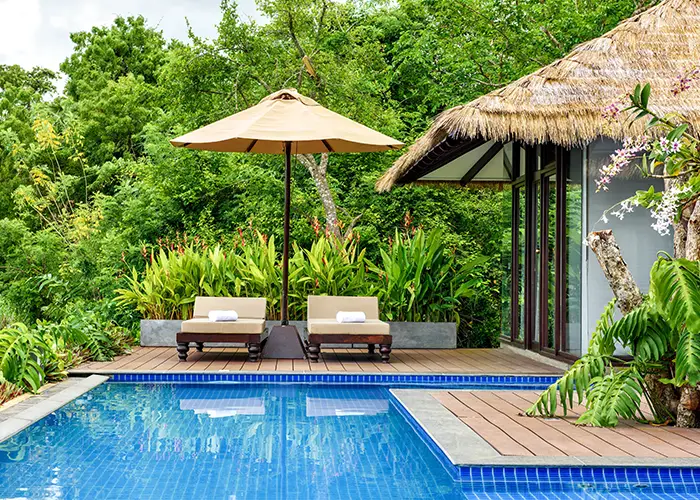
Uga Ulagalla has 25 private villas set within woodland and agricultural landscapes. On-property activities include guided nature walks, horseback riding, kayaking, archery and organic farming experiences. Younger guests can participate in a Junior Ranger program focused on nature and wildlife.
The opportunity to visit the Elephant Research Centre adds a meaningful conservation component to a stay, helping travelers better understand the environmental and community challenges facing the region.
A Model for Responsible Wildlife Tourism
The second phase of Uga Resorts’ elephant coexistence project illustrates how hospitality companies can contribute to conservation beyond the boundaries of their properties.
By working with conservation researchers and local residents, the project addresses the needs of people and wildlife together. Farms and villages receive additional protection, while elephants retain access to the landscapes through which they naturally travel.
For travelers, the initiative provides insight into the complicated realities of elephant conservation and offers a more responsible way to engage with Sri Lanka’s wildlife.
Frequently Asked Questions
Where is the Uga Resorts elephant fence located?
The fence is located near Uga Ulagalla in Sri Lanka’s Anuradhapura region, within the country’s Cultural Triangle.
How long is the new community elephant fence?
The second-phase fence extends for five kilometers and helps protect approximately 132 acres of agricultural land.
How many families will the project support?
The new fence is designed to protect 65 farming families. Combined with the original project, the two fences support approximately 135 families.
Does the fence restrict elephants to protected areas?
No. The fence surrounds villages and cultivated land rather than enclosing elephants. This allows the animals to continue moving through their wider habitat.
Can guests visit the Elephant Research Centre?
Yes. Guests at Uga Ulagalla can visit the center to learn about elephant behavior, conservation research and efforts to reduce human-elephant conflict.