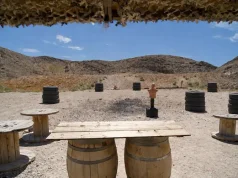
The American West holds thousands of forgotten settlements hidden deep inside quiet deserts and mountain valleys. Prospectors struck gold in remote locations and built communities in just a few days.
People left the wooden streets behind as soon as silver and gold deposits vanished. Hidden historical sites still stand across western territories, waiting for curious travelers to uncover their stories.
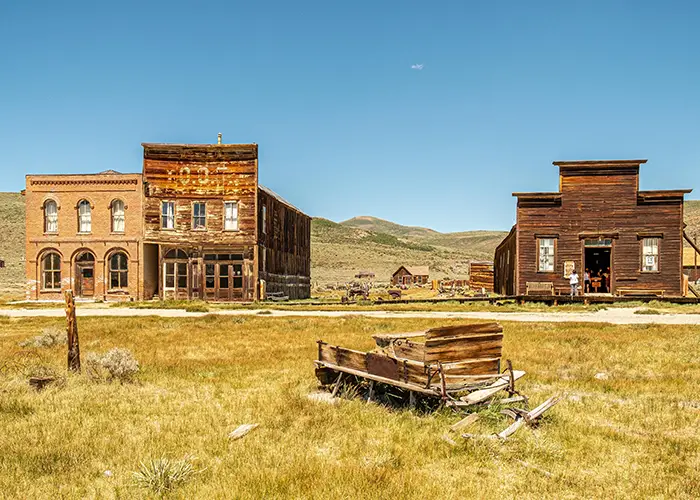
Uncovering Lost Boomtown History
Fast wealth attracted thousands of miners across western territories during the nineteenth century. Explorers visiting United States Ghost Towns can observe how quickly remote frontier regions transformed. Merchants set up wooden saloons, banks, and cabins to serve growing populations. Entire commercial districts emerged in a matter of days.
Mining boomtowns often collapsed just as fast as they appeared. Mining companies packed up heavy gear when rich gold veins ran dry. Workers moved to the next big strike without leaving forwarding addresses.
Preservation groups work to record stories from deserted locations. Their hard work keeps early frontier memories alive for future generations. Historians collect old photographs and personal letters to document daily life.
Unique Architecture Built From Scrap
Miners used whatever supplies they could find to construct shelters in distant desert valleys. A historic feature published online notes how a prospector in Rhyolite constructed a house using 50,000 beer and liquor bottles.
Glass bottles offered heavy insulation against high summer heat and strong desert winds. Other settlers repurposed wooden shipping crates and metal mining gear for sturdy exterior walls. Mud and clay sealed gaps between wooden planks to keep cold winter air outside.
These clever designs show how creative miners became when regular building supplies were scarce. Every building holds a unique story of pioneer survival under rough conditions. Simple structures proved remarkably durable over long decades of neglect.
Preserving Ruins Through Arrested Decay
State park agencies protect several historic sites using modern conservation methods. According to an online travel guide, California State Parks maintains selected locations in arrested decay to stabilize buildings against collapse without making them look new.
The conservation style prevents heavy roofs from falling. It preserves natural weathering on original timber structures. Visitors observe structural conditions just as miners left them long ago.
Maintenance teams inspect wooden foundations regularly to stop water damage. Structural engineers add hidden interior supports to strengthen leaning walls. Careful work balances public safety with authentic historical appearance.
Bringing Tourism Back To Old Gold Mines
Former mining centers attract thousands of curious travelers every single season. A travel journal noted that over 200,000 visitors travel through these locations annually to see historic structures and try gold mining firsthand.
Guided underground tours show guests how early miners worked deep inside dark rock shafts. Visitors learn how prospectors used simple hand tools to break hard stone. Hands-on gold panning activities give families a direct taste of pioneer life.
Local businesses thrive near the historic locations. Heritage tourism keeps regional history financially sustainable. Small museums display rare artifacts recovered from abandoned shaft entrances.
Structural Features Found In Mining Camps
Walking through an abandoned settlement reveals clear building patterns from the nineteenth century. Early prospectors designed camps for maximum efficiency near valuable ore deposits. A backcountry report mentioned that visitors can look through broken windows to see dishes on tables and books on shelves.
Key structures include the following items:
- Heavy timber mine shafts constructed for deep underground digs
- Supply stores that sold high-priced food to early miners
- Assayer offices where miners weighed raw gold and silver
Main buildings formed the commercial center of every frontier settlement. Locating them helps travellers understand daily life during famous gold rushes. Each structure served a clear function for miners living far from big cities.
Hidden Legends Behind Desert Settlements
Wild stories surrounded early mining camps across the frontier region. A historic article highlighted how corrupt sheriff Henry Plummer led a notorious gang in a Montana gold town. Outlaws targeted miners carrying fresh gold nuggets back from their claims.
Local storytellers passed down tales of sudden wealth and mysterious disappearances. Many claims were never verified by official mining surveys. Secret maps continue to inspire modern treasure hunters today.
Old tales add mystery to empty cabins and rusting equipment. Exploring old ruins triggers imagination about long-lost treasures. Visitors feel connected to the brave miners who risked everything for wealth.
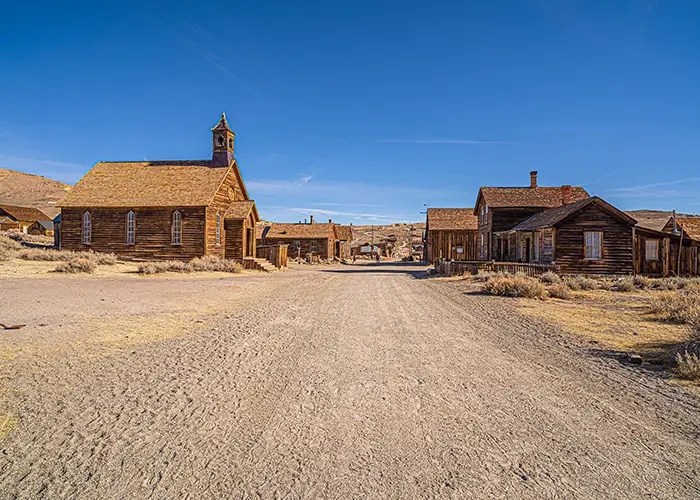
Forgotten mining settlements offer an unforgettable adventure for history lovers across the West. Preserved wooden structures tell rich stories of hardship and determination.
Planning a trip into backcountry regions allows you to experience iconic frontier heritage up close. Take time to explore the historic places and respect their fragile beauty.