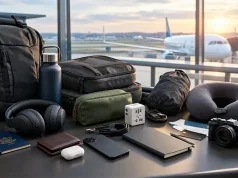
Packing light is one of the easiest ways to make traveling more enjoyable. A lighter suitcase is easier to carry, quicker to unpack, and often saves baggage fees. Yet many travelers still overpack because they worry they won’t have enough outfit choices for changing weather, different activities, or unexpected plans.
The secret isn’t bringing more clothes, it’s choosing versatile pieces that work together in multiple combinations. With a little planning, you can create a travel wardrobe that feels varied without filling your entire suitcase.
Choose Layering Pieces Instead of Bulky Extras
One versatile layer can replace several single-purpose garments. Lightweight knitwear, shawls, and wraps add warmth on cool evenings, provide extra comfort during flights, and can instantly change the appearance of a simple outfit.
Pieces such as wool shawls are particularly useful because natural Merino wool provides warmth while remaining breathable enough for changing temperatures. They can be worn over casual clothing, paired with more formal outfits for dinners, or folded into carry-on luggage without taking up much space. Traditional Irish wool shawls are designed to be practical as well as stylish, making them useful travel companions across different climates.
Choosing one adaptable outer layer usually provides more flexibility than packing several heavier garments that serve only one purpose.
Build Around Versatile Basics
The easiest way to multiply outfit combinations is to pack clothing in coordinating colors. Neutral shades such as navy, grey, black, white, beige, or olive allow nearly every item to work with every other item.
For men, well-fitted shorts often become one of the hardest-working pieces during warm-weather trips and tailored shorts for men offer a balance between casual comfort and a more polished appearance, allowing the same pair to transition from sightseeing during the day to an evening meal with only a change of shirt. Athletic-fit designs also provide additional room through the thighs while maintaining a clean silhouette.
Rather than packing multiple statement pieces, focus on clothing that mixes easily across different occasions.
Plan Outfits Instead of Individual Items
Many people pack by asking themselves, “Should I bring this shirt?” A better question is, “How many outfits can I create with this shirt?”
Before packing, lay everything out and build complete outfits. Ideally, every top should coordinate with several bottoms, and every layer should work with multiple combinations. This simple exercise often reveals unnecessary duplicates that can stay at home.
Shoes deserve the same attention. Two versatile pairs, one for everyday walking and one slightly smarter option, are usually sufficient for most trips. Shoes are among the bulkiest items in any suitcase, so limiting them creates valuable extra space.
Accessories such as scarves, watches, hats, or jewelry can also refresh familiar outfits without significantly increasing luggage weight.
Use Packing Techniques That Save Space
Efficient packing isn’t only about choosing fewer clothes. How you pack them also matters.
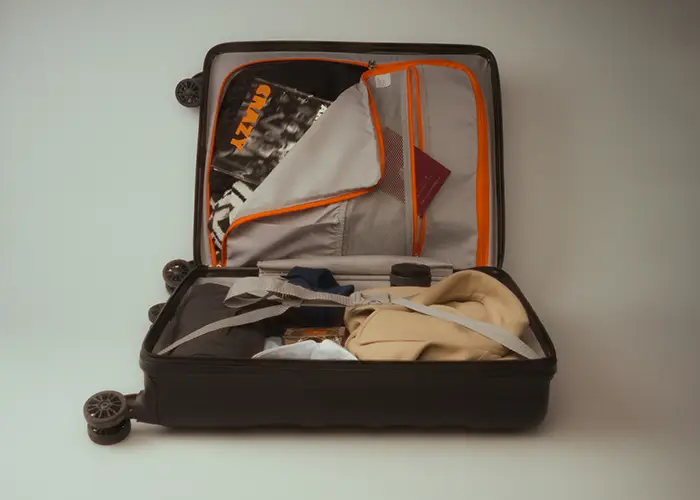
Rolling softer garments often reduces wrinkles while making items easier to organize inside packing cubes. Structured garments may be better folded, especially if they wrinkle easily. Compression packing cubes help organize clothing by category while reducing the overall volume inside a suitcase.
Keep heavier items at the bottom near the wheels if you’re using rolling luggage, and place frequently used items near the top for easier access. Small laundry bags also help separate worn clothing from clean items during longer trips.
Leaving a little unused space is equally valuable. It provides room for souvenirs or purchases made during the journey without requiring another bag for the return trip.
Wash Small Items During Longer Trips
For extended travel, washing a few lightweight items can dramatically reduce how much clothing you need to pack.
Underwear, socks, T-shirts, and lightweight tops often dry overnight when washed in a hotel sink or using local laundry facilities. This approach allows travelers to pack enough clothing for several days rather than enough for the entire trip.
Choosing fabrics that resist wrinkles and dry relatively quickly makes this strategy even more practical. Natural fibers and modern performance fabrics each offer advantages depending on the destination and climate.
Packing fewer clothes doesn’t mean sacrificing variety. By selecting versatile layers, coordinating basics, planning complete outfits, using efficient packing techniques, and refreshing smaller garments when needed, travelers can enjoy a wider range of outfit options with far less luggage. The result is a lighter suitcase, easier travel, and more freedom to focus on the journey instead of managing excess baggage.