London, Edinburgh, the Lake District, and the Cotswolds may dominate many UK itineraries, but new travel data suggests North American travelers are beginning to look beyond Britain’s best-known destinations.
Analysis from luxury vacation rental company Big House Experience identified four UK destinations experiencing significant growth in online interest. The study combined Google search information with the company’s website clicks and booking data, comparing activity in 2026 with figures from three years earlier.
The strongest growth was recorded for the North Norfolk Coast, followed by Fife in Scotland, Pembrokeshire in Wales, and the Cotswolds village of Temple Guiting.
The underlying figures were collected from website visitors based in the United States rather than Canada and the United States combined. However, the destinations provide equally compelling alternatives for North American travelers interested in coastal scenery, historic towns, country houses, local food, and quieter places to explore.
1. North Norfolk Coast
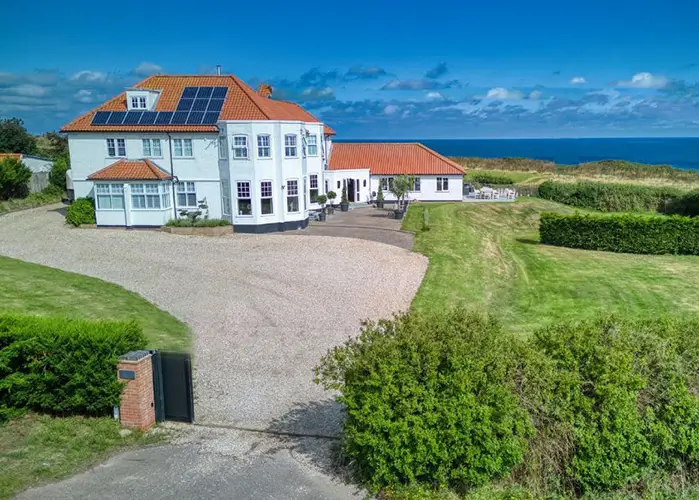
The North Norfolk Coast experienced the largest increase in interest, with searches and website activity rising by 133 percent compared with three years earlier.
This stretch of eastern England combines broad beaches, salt marshes, wildlife reserves, traditional villages, and sophisticated country retreats. It feels considerably removed from the crowds of London, despite being accessible as part of a longer England itinerary.
Burnham Market is one of the area’s best-known villages. Sometimes nicknamed “Chelsea-on-Sea,” it is home to independent boutiques, galleries, cafés, restaurants, and handsome Georgian buildings. Its location also makes it a convenient base for exploring the smaller coastal communities known collectively as the Burnhams.
Nearby Holkham Beach is known for its enormous sweep of sand backed by pine woods and dunes. The beach forms part of Holkham National Nature Reserve, an important habitat for birds and other wildlife.
Other worthwhile stops include Wells-next-the-Sea, with its colorful beach huts and working harbor, and Blakeney, a coastal village from which boat excursions depart for the seal colonies around Blakeney Point.
Food is another reason to explore the region. Michelin-starred Morston Hall creates modern British menus using produce from its gardens, nearby beaches, and regional suppliers. Seafood, locally landed crab, and seasonal farm products feature prominently throughout North Norfolk.
The area works particularly well for travelers who want a slower English coastal vacation built around walks, wildlife, village shopping, and long meals rather than a packed sightseeing schedule.
2. Fife, Scotland

Fife offers a mixture of royal history, fishing villages, castles, golf, and dramatic coastal scenery. Interest in the Scottish region increased by 114 percent over the three-year period covered by the analysis.
For many international visitors, St Andrews is the natural starting point. Widely regarded as the birthplace of golf, the town is home to the Old Course and six other public courses managed by St Andrews Links Trust.
Even visitors who do not play golf will find plenty to explore. The remains of St Andrews Cathedral recall the town’s importance as a medieval religious center, while the ruins of St Andrews Castle overlook the North Sea. West Sands Beach stretches for almost two miles and provides one of the most scenic coastal walks in the area.
Travelers planning a more indulgent visit can consult DRIFT Travel’s guide to where to stay in St Andrews for a luxury vacation.
Beyond St Andrews, the East Neuk of Fife is dotted with attractive fishing villages, including Crail, Anstruther, Pittenweem, and Elie. Whitewashed cottages, stone harbors, seafood restaurants, and sections of the Fife Coastal Path make this part of the region especially rewarding to explore by car or on foot.
Wildlife enthusiasts can take a seasonal boat trip to the Isle of May National Nature Reserve. Large numbers of seabirds nest on the island, including puffins, while seals can often be seen around its rocky shoreline.
Fife also offers historic estates and distinctive accommodations, including restored manor houses and castles overlooking the surrounding countryside and the Firth of Tay.
3. Pembrokeshire, Wales

Located in southwestern Wales, Pembrokeshire saw a 101 percent rise in interest.
Its defining feature is the Pembrokeshire Coast National Park, the only national park in the UK established primarily for its coastline. The protected landscape encompasses rugged cliffs, sheltered coves, sandy beaches, offshore islands, and approximately 186 miles of coastal trail.
Tenby is one of the region’s most appealing bases. The town combines pastel-colored houses, medieval walls, beaches, a small harbor, and easy access to boat excursions.
Trips from Tenby run to Caldey Island, where a community of Cistercian monks produces chocolate and other goods. The island is also home to coastal walks, wildlife, and a peaceful village atmosphere. Boat service is seasonal and weather dependent, so schedules should be checked in advance.
Elsewhere in Pembrokeshire, travelers can visit Barafundle Bay, walk sections of the coastal path, explore Pembroke Castle, or join wildlife excursions in search of seals, dolphins, porpoises, and seabirds.
The region has also developed a notable food scene. ANNWN in Narberth offers a highly localized tasting experience centered on Welsh ingredients, wild foods, and responsible foraging. The restaurant is listed in the Michelin Guide and retained its Michelin Green Star for sustainable gastronomy in 2026. Although the original release described ANNWN as Michelin-starred, its distinction is specifically a Green Star rather than a conventional culinary star.
Pembrokeshire is well suited to travelers who want to combine a traditional seaside town with hiking, wildlife, regional food, and some of Wales’ most striking coastal landscapes.
4. Temple Guiting and the Cotswolds

Temple Guiting recorded a 98 percent rise in interest, suggesting that travelers are searching beyond heavily visited Cotswolds destinations such as Bourton-on-the-Water and Stow-on-the-Wold.
The small Gloucestershire village offers the honey-colored stone buildings, rolling countryside, historic churches, and winding lanes associated with the Cotswolds, but generally receives fewer visitors than the region’s headline destinations.
Its location makes it a practical base for exploring the surrounding countryside. Bourton-on-the-Water, Stow-on-the-Wold, Winchcombe, Broadway, and Cheltenham are all within reach, while walking routes connect villages, farms, and rural estates.
Country-house stays are an important part of the area’s appeal. Larger estates may offer activities such as archery, clay shooting, private dining, cocktail classes, or guided countryside excursions. Hot-air balloon flights, vintage-car rentals, horseback riding, and cycling provide other ways to see the landscape.
Temple Guiting is also a strong choice for families or groups who prefer to rent a country house and spend more time together in one location. DRIFT Travel’s article on planning a group getaway in the Cotswolds offers additional advice about accommodations and activities in the region.
Why Travelers Are Looking Beyond the Usual UK Destinations
These four destinations reflect a broader move toward slower and more experience-driven travel. Rather than visiting several major cities in quick succession, travelers are increasingly choosing a regional base and exploring its food, landscapes, history, and communities in greater depth.
North Norfolk provides beaches and wildlife; Fife combines golf, castles, and fishing villages; Pembrokeshire offers one of Britain’s most impressive coastlines; and Temple Guiting delivers the classic Cotswolds experience without relying solely on its busiest villages.
The percentage increases should be viewed as directional indicators rather than a comprehensive study of all North American travel to the UK. The analysis was based on Google Keyword Planner information and Big House Experience’s internal booking and click data from United States website visitors, with information current as of July 2026.
Even with that limitation, the findings highlight four worthwhile destinations for travelers ready to venture beyond Britain’s familiar tourism circuit.