Mexico’s Pacific state of Nayarit is widely associated with golden beaches, surf towns and the luxury resorts of Riviera Nayarit. Yet beyond the coastline lies a culturally rich destination shaped by Indigenous communities, traditional cooks, artisans, farmers and historic towns.
Traveling inland—or even venturing a few streets beyond the shore—reveals archaeological sites, community-led experiences and culinary traditions passed from one generation to the next. For travelers interested in connecting more deeply with the places they visit, this lesser-known side of Nayarit offers plenty of reasons to explore beyond the resort corridor.
Discover Nayarit’s Nine Magical Towns
Nayarit is home to nine Pueblos Mágicos, or Magical Towns, a designation recognizing communities with notable cultural, historical, artistic, culinary or natural heritage. They include Sayulita, Compostela, Jala, Mexcaltitán, San Blas, Ixtlán del Río, Ahuacatlán, Amatlán de Cañas and Puerto Balleto in the Islas Marías.
Each provides a different introduction to the state.
Compostela’s colonial buildings, cobblestone streets and religious traditions speak to centuries of history. Jala sits beneath the Ceboruco volcano in an agricultural landscape known for its enormous ears of corn and enduring rural customs.
San Blas combines the atmosphere of a historic Pacific port with mangroves, coastal wetlands and some of Mexico’s most rewarding birdwatching. Farther inland, Ixtlán del Río serves as the gateway to Los Toriles, an important archaeological site distinguished by its unusual circular temple.
Ahuacatlán and Amatlán de Cañas offer quieter encounters with the state’s mountain scenery, farms and small-town life. Puerto Balleto, on Isla María Madre, adds another dimension with its layered history and remote island setting.
Nayarit’s tourism authority provides an overview of all nine Magical Towns for travelers planning a wider journey through the state.
Mexcaltitán: Island Life and Living History
Mexcaltitán is among Nayarit’s most distinctive communities. Built on a small island, the town is known for colorful houses, narrow streets and a way of life closely tied to fishing.
During the rainy season, some streets can flood and function like canals, contributing to the island’s nickname as the “Venice of Mexico.” Mexcaltitán is also frequently associated with Aztlán, the legendary homeland from which the Mexica people are said to have begun their migration toward the Valley of Mexico. The connection remains a matter of tradition rather than settled archaeological fact, but it is an important part of the island’s cultural identity.
Visitors can explore the central plaza, learn about regional history at the local museum and sample seafood prepared with ingredients brought in by the community’s fishers.
Sayulita Beyond the Surf
Sayulita may be internationally known for surfing and its easygoing beach scene, but its appeal extends beyond the waves. Galleries, markets, food stalls and artisan shops reflect the creative community that has grown alongside the town’s popularity.
Travelers who have previously treated Sayulita as a day trip can gain a different perspective by exploring its workshops, meeting local makers and sampling regional food away from the busiest beachfront streets.
For a seasonal look at these communities and their customs, DRIFT readers can also explore Mexico’s holiday traditions in Nayarit’s Magical Towns.
Meet the People Behind Nayarit’s Crafts
Creative tourism is becoming an important way to experience Nayarit. Rather than simply buying a finished piece of pottery, chocolate or beadwork, travelers may have opportunities to meet the people responsible for making it and learn about the techniques involved.
Workshops and locally led activities introduce visitors to regional cooking, pottery, traditional sweets, chocolate and other forms of craftsmanship. Participating in the creative process gives a handmade object greater context while directing tourism spending toward artisans, cooks, guides and family-run businesses.
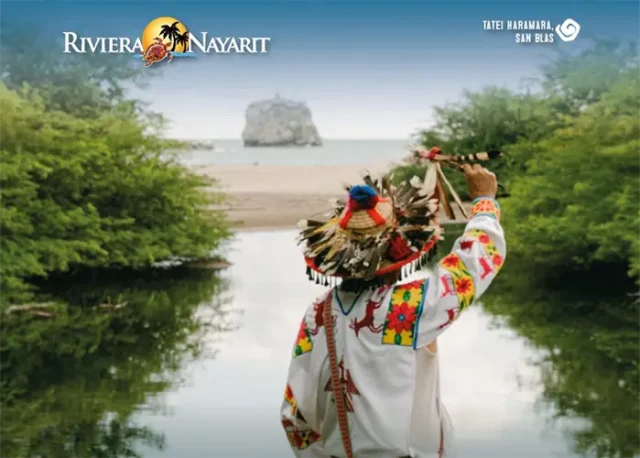
Some of Nayarit’s most recognizable art comes from Wixárika communities. Intricate beadwork and yarn paintings often incorporate vivid representations of deer, corn, plants and animals. These are not merely decorative motifs; many hold spiritual significance and express relationships among people, nature and the sacred.
Travelers should purchase work directly from artists or reputable cooperatives whenever possible. It is equally important to ask permission before photographing artisans, ceremonies or community members.
Indigenous Heritage and Community-Led Travel
Nayarit is home to Wixárika, Na’áyeri, O’dam and Mexicanero peoples whose art, food, ceremonies and relationships with the natural environment remain central to the state’s identity.
Community-led experiences in the Sierra del Nayar can provide opportunities to learn about these cultures directly from the people preserving them. The most meaningful encounters are structured according to community protocols, allowing residents to determine what can be shared and how visitors should participate.
Ceremonial traditions offer another window into this heritage. Na’áyeri Holy Week, sometimes called Cora Holy Week, brings together Indigenous beliefs and elements introduced through Catholicism. The resulting ceremonies have evolved over centuries and remain expressions of living cultural and spiritual identity—not performances staged solely for visitors.
Anyone hoping to witness a ceremony should travel with an authorized local guide, follow community instructions and approach the experience with respect.
Taste the Flavors of Nayarit
Food is one of the most accessible ways to explore Nayarit’s culture.
Along the coast, fishing communities have created a cuisine built around the Pacific. The state’s signature dish is pescado zarandeado, in which a butterflied fish is seasoned and grilled over an open flame. Aguachile, ceviche, shrimp and other seafood preparations vary among towns, restaurants and family kitchens.
Inland, the culinary landscape shifts toward corn, tropical fruit, local cheeses, coffee and traditional sweets. Coffee-growing communities offer a connection to the state’s agricultural heritage, while agave cultivation links parts of Nayarit to the production traditions associated with tequila and raicilla.
Contemporary chefs are also finding new ways to interpret these ingredients. Along the Riviera Nayarit coast, refined restaurants increasingly draw upon local seafood, produce and traditional techniques, demonstrating that fine dining and home-style cooking can tell complementary stories about the same destination.
DRIFT’s feature on the Mexology Fest at Grand Velas Riviera Nayarit provides another introduction to the region’s agave spirits and culinary heritage.
Make Culture Part of the Itinerary
Nayarit’s beaches, resorts and Pacific sunsets remain compelling reasons to visit. The opportunity is not to replace those experiences, but to build upon them.
Adding a Magical Town, artisan workshop, archaeological site or community-led excursion can transform a conventional coastal vacation into a more complete journey. It also helps ensure that the benefits of tourism reach the cooks, artists, guides, farmers and small businesses responsible for maintaining the state’s cultural traditions.
Nayarit’s most memorable stories are not confined to museums or monuments. They can be found in working fishing communities, family kitchens, mountain ceremonies and the patient hands of artisans. Understanding the destination begins by slowing down, looking beyond the beach and meeting the people who call it home.