
The best journeys often become much more than a collection of places visited and sights photographed. They are shaped by the meals discovered along the way, conversations with local people, unexpected detours and quiet moments when a destination suddenly feels less like somewhere you are visiting and more like somewhere you are experiencing.
For travellers looking to move beyond the conventional checklist, Sundowner Holidays creates thoughtfully designed tailor-made journeys that allow travellers to experience destinations through distinctive accommodation, local culture, nature and carefully selected experiences. The idea is simple: travel should not only show you a destination. It should help you understand what makes it special.
That does not necessarily mean travelling slowly every day or avoiding famous attractions. It means approaching a journey with enough curiosity and flexibility to look beyond the obvious.
Start With A Destination, Not A Checklist
It is tempting to begin planning a holiday by searching for the top attractions. Before long, an itinerary can fill up with landmarks, museums, viewpoints and restaurants, leaving little space to simply experience the destination.
A more rewarding approach is to start with the place itself.
What makes it distinctive? What landscapes define it? What food is associated with the region? How do local communities live? Which experiences would be difficult to recreate somewhere else?
These questions can lead to a very different kind of itinerary. A famous landmark may still feature, but it becomes part of a wider understanding of the destination rather than the sole reason for visiting.
The result is often a journey that feels more personal from the outset.
Spend More Time In Fewer Places
Trying to cover too much ground can make even an exciting holiday feel like a logistical exercise. There is a certain irony in travelling thousands of miles only to spend much of the trip checking transport times and packing another suitcase.
Spending longer in fewer places creates opportunities that a rapid itinerary can miss.
A few extra days might mean discovering a neighbourhood away from the main tourist areas, returning to a favourite café, finding a local market or simply becoming familiar with the rhythm of a town. It also allows travellers to change plans when something unexpectedly catches their attention.
There is no rule saying every afternoon needs to contain an attraction.
Sometimes the best travel memories begin with an empty space in the itinerary.
Stay Somewhere That Tells A Story
Accommodation is often treated as somewhere to sleep between sightseeing excursions, but the right property can become part of the destination itself.
A restored historic building can reveal something about local architecture. A family-run guesthouse may provide a more personal connection with its surroundings. A wilderness lodge can place nature directly outside the door, while a thoughtfully designed boutique hotel can reflect the culture and character of its location.
This does not mean that luxury has to be abandoned in favour of simplicity. In many destinations, travellers can enjoy exceptional comfort while still feeling connected to where they are.
The key is choosing accommodation with a sense of place.
A beautiful room is enjoyable anywhere. A beautiful room that could only exist in that particular destination is far more memorable.
Eat Like A Traveller, Not A Tourist
Food offers one of the simplest routes into a destination’s culture.
A regional dish can reveal geography, history and cultural influences in a way that a guidebook sometimes struggles to do. Ingredients often reflect what grows locally, while cooking techniques may have been passed down through generations.
That makes food worth exploring beyond the hotel restaurant.
Visit a local market. Try a regional speciality. Eat at a family-run restaurant. Take a cooking class. Ask a guide where they would go for lunch rather than relying entirely on online rankings.
There is no need to turn every meal into an elaborate culinary experience, either. A simple dish eaten in the right setting can become one of the strongest memories of a trip.
Food connects travellers with a destination in a remarkably immediate way.
Meet The People Behind The Destination
Buildings and landscapes can tell us a great deal about somewhere, but people give a destination its personality.
Local guides, artisans, chefs, conservationists and community members can offer perspectives that are difficult to find in a standard itinerary. A knowledgeable guide might explain the story behind a historic neighbourhood, while a local artisan can reveal why a particular craft remains important to the community.
These interactions work best when they are based on genuine curiosity and respect rather than the idea of collecting “authentic” experiences.
Even a short conversation can change the way a traveller sees a place.
A destination that initially seemed unfamiliar can suddenly become much easier to understand when you hear its stories from someone who knows it intimately.
Choose Experiences Over Attractions
There is a difference between seeing something and experiencing it.
A traveller can visit a market, take a photograph and leave. Or they can spend time learning about the ingredients, meeting a local producer and tasting food they have never tried before.
They can stand at the edge of a landscape and admire it. Or they can walk through it with a guide who explains the wildlife, geology or history along the way.
Neither approach is inherently better, but participation tends to create stronger memories.
This is one of the strengths of a carefully planned itinerary. Rather than simply connecting the most famous sights, it can create opportunities to understand a destination through the things travellers are genuinely interested in.
Get Into Nature
Immersive travel is not limited to cities and cultural experiences. Some of the most powerful ways to connect with a destination involve stepping outside and spending time in its natural environment.
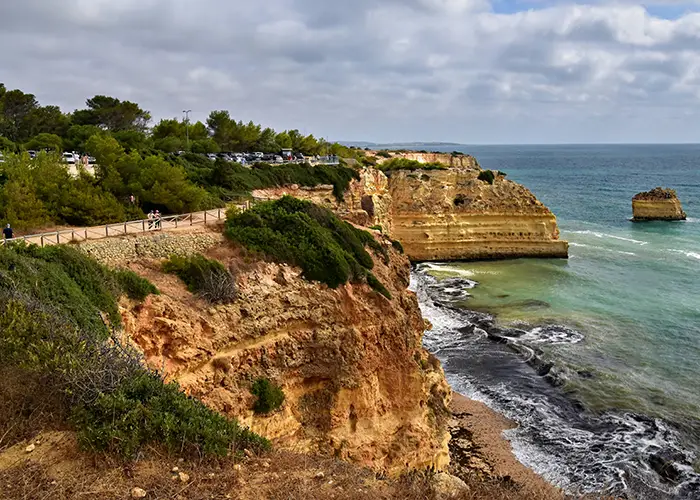
A coastal walk can reveal landscapes that are invisible from the road. A wildlife excursion can introduce visitors to species they would otherwise never notice. A hike through a forest or mountain region can provide an entirely different perspective on the destination.
Nature also encourages a different pace.
Wildlife does not appear on schedule. Landscapes reward observation. Weather can transform a familiar view within minutes. These experiences require travellers to slow down and pay attention.
That patience can be surprisingly rewarding. Rather than rushing from one attraction to another, travellers begin noticing the details that make a place unique.
Leave Room For The Unexpected
Some of the best travel stories begin with a plan going slightly wrong.
A recommended café might lead to an interesting neighbourhood. A conversation with a guide might inspire an unplanned detour. A scenic road might encourage travellers to stop for an hour longer than expected.
These moments are difficult to schedule, which is exactly why they are valuable.
An itinerary that leaves a little breathing room allows travellers to follow their curiosity. It also makes a holiday feel less like a series of appointments.
Of course, some planning is essential, particularly when travelling between destinations or booking popular experiences. But leaving a few gaps can create the freedom to respond to what happens along the way.
Sometimes the unexpected becomes the part of the journey you remember most clearly.
Travel With Context, Not Just Convenience
A little knowledge can completely change the way a destination is experienced.
Understanding some of the history behind an ancient city can make its architecture far more meaningful. Learning about local customs can make interactions more respectful. Knowing something about the landscape can turn a beautiful view into a fascinating story.
Travellers do not need to become experts before boarding a plane. Even a basic understanding of a destination’s history, geography, traditions and culture can add considerable depth.
It is also worth continuing that learning while travelling.
Ask questions. Listen to guides. Read local information. Pay attention to the details around you.
The more context you have, the more you tend to notice.
Make The Journey Part Of The Experience
Getting from one destination to another does not always need to be treated as time that exists between the “real” experiences.
In some parts of the world, the journey itself can be one of the highlights.
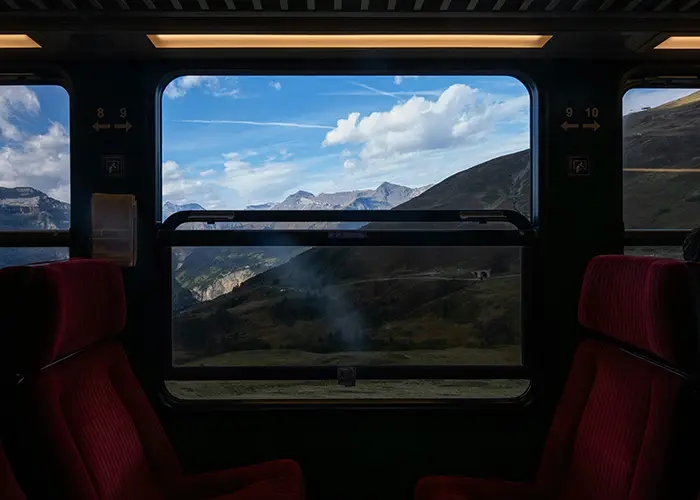
A scenic rail journey can reveal landscapes that would otherwise pass unnoticed. A road trip can provide the freedom to stop in smaller communities. A river journey can offer an entirely different perspective on the places along its banks.
Travelling this way can also make the transition between destinations more meaningful.
Instead of suddenly moving from one hotel and landscape to another, travellers see how the environment, architecture and communities change along the route.
The journey becomes part of the story.
Choose Travel That Matches Your Interests
There is no universal definition of immersive travel.
For one person, it might mean spending a week exploring wildlife and wilderness. For another, it could involve food, architecture, photography, history or walking. Someone else might be happiest discovering local art and design.
That is why personalisation matters.
A well-designed itinerary should reflect the traveller rather than simply following a standard formula. Combining several interests can create a journey that feels much more relevant, whether that means pairing cultural exploration with nature, or combining culinary experiences with time in smaller communities.
The objective is not to build the busiest possible holiday. It is to build one that feels like it belongs to you.
Travel Responsibly And Leave A Positive Footprint
Immersion also means understanding that travellers are guests.
Supporting local businesses, using local guides and choosing experiences that respect communities can help ensure that tourism benefits the places being visited. In natural environments, following guidance around wildlife and protected areas is equally important.
Responsible travel does not have to make a holiday less enjoyable. In many cases, it makes the experience more meaningful.
Buying something directly from a local artisan, eating at an independent restaurant or learning from a community guide creates a more direct connection with the destination. These choices can also help travellers discover experiences they might otherwise have missed.
The aim is simple: leave with memories, not a negative mark.
The Memories That Stay With You
Years after a journey, most travellers cannot remember every attraction they visited.
They remember the unexpected things.
Perhaps it was a meal in a tiny restaurant recommended by a local. Maybe it was a conversation with a guide, a walk through a quiet landscape or an afternoon spent exploring a neighbourhood with no particular destination in mind.
They remember the hotel with the extraordinary view. The road that took longer than expected. The market where they discovered a new favourite food.
These moments have something in common. They are experiences rather than entries on a checklist.
They are also the moments that make a destination feel personal.
A Better Way To Think About Travel
Immersive travel does not require abandoning famous landmarks or carefully planned itineraries. Some of the world’s great attractions are famous for very good reasons.
The difference is in how travellers approach them.
Stay long enough to understand a place. Choose accommodation that reflects its surroundings. Eat food that belongs to the region. Spend time in nature. Talk to people. Learn the stories behind the sights. Leave room for spontaneity.
Most importantly, choose experiences that genuinely interest you.
A holiday becomes more rewarding when the itinerary reflects curiosity rather than obligation.
Travel Less Like A Visitor, More Like An Explorer
The most meaningful journeys are rarely about seeing absolutely everything.
They are about noticing more of what is already there.
A destination can be transformed by a conversation, a meal, a landscape or an unexpected turn down an unfamiliar street. These experiences may never appear on a list of the world’s top attractions, yet they can become the stories travellers tell for years.
That is the real appeal of immersive travel. It does not necessarily ask you to travel further or spend more. It asks you to pay closer attention.
The best holidays leave you with more than photographs. They leave you with a deeper sense of the place, a few unexpected stories and the feeling that, for a little while, you were not simply visiting somewhere new — you were genuinely part of its journey.