The best sports city is not necessarily the one with the most teams. Travelers need a strong event calendar, venues they can reach without losing half a day, and a local culture that continues beyond the turnstiles. On those terms, Melbourne, London, Mumbai, Tokyo and New York stand out. Melbourne compresses major venues into a walkable precinct; London rewards careful neighborhood planning; Mumbai gives cricket the scale of theater; Tokyo pairs baseball with sumo; New York turns five boroughs into a fixture map. The useful question is which city works in the month you can travel. Timing does the ranking.
The Scorecard: Four Tests Before Booking a Flight
Four practical tests matter more than counting franchises. A great sports break needs more than one credible event, sensible transport and a crowd culture that a visitor can actually enter. Prestige does not compensate for a two-hour journey after the final whistle.
- Calendar density: the chance of pairing two sports or fixtures in one stay.
- Access: rail, metro or walking routes that still work after an evening event.
- Venue character: history, sightlines and rituals specific to the city.
- Fallback value: tours, museums or local matches when tickets sell out.
A 100,024-Capacity Ground, Ten Minutes from Central Melbourne
The Melbourne Cricket Ground holds 100,024, yet it sits roughly a ten-minute walk from the central city. That geographical trick changes the trip. A visitor can walk from the MCG to Melbourne Park, which has 39 courts in all and stages the Australian Open across its hard-court complex, without treating each event as a separate expedition.
January brings Grand Slam tennis; the Australian Grand Prix takes over Albert Park in March or April; the AFL Grand Final lands in September; the Boxing Day Test begins on December 26. Pick one anchor event, then check other schedules around it. Melbourne is strongest when four days contain two different sports.
Pick a Postcode Before You Pick a Team
London punishes vague planning. Wembley, Wimbledon, Lord’s, The Oval, Twickenham and the major football grounds do not form one convenient stadium district. The smarter move is to choose a match first and a hotel second, then study the last train rather than the straight-line distance.
The reward is range. Summer can pair grass-court tennis with county cricket; autumn brings club football and NFL dates. Lord’s displays the Ashes urn, while football grounds reveal how sharply local identities change between postcodes. London suits travelers who enjoy the journey between sporting tribes.
When Wankhede Runs on Overs, Noise and Dew
Wankhede Stadium is boxed into South Mumbai near Churchgate, with an approximate capacity of 33,500 after redevelopment. Its scale feels larger at night. Sea air and a crowd reacting to every dot ball turn a Twenty20 match into a lesson in compressed tension.
An IPL trip rewards preparation because team sheets, toss conditions and dew can reshape prices quickly. A traveler following matches on the road needs stable data and a plan before the first over. The cricket ipl bet market page lets a bettor review the options currently listed for the competition without turning every stadium visit into a wager. Pre-match odds can move after the toss, while live prices react to wickets, powerplay scoring and the required run rate. Stakes should remain a fixed, small share of the trip budget; tickets and transport are sunk travel costs, not bankroll. The useful edge is context, not atmosphere.
Baseball at Night, Sumo on the Same Trip
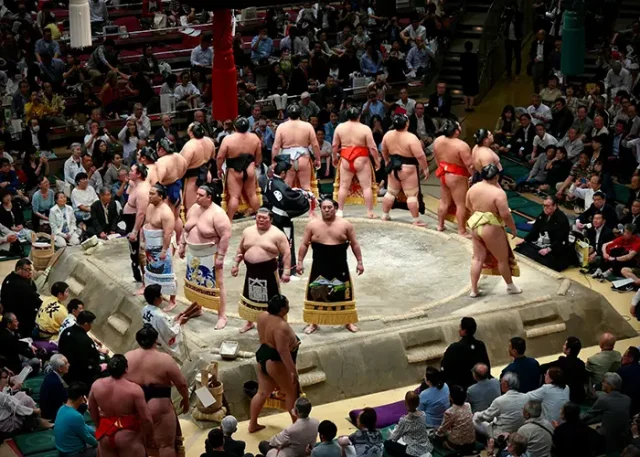
Tokyo’s contrast is the attraction. A baseball night at Tokyo Dome runs on organized supporter songs; a tournament day at Ryogoku Kokugikan follows rituals with centuries of history. Rail makes both realistic in one trip, although rush hour deserves more time than a map suggests.
Three of professional sumo’s six annual grand tournaments take place in Tokyo. Some stables accept morning-practice visitors when tours or advance reservations are available; etiquette is strict. Baseball supplies the steadier calendar; sumo should be booked as the scarce event.
Five Boroughs, One Complicated Fixture Map
New York offers baseball in the Bronx and Queens, basketball and hockey in Manhattan, basketball in Brooklyn, plus the US Open and a five-borough marathon. Extra innings, overtime and weekend maintenance can turn a subway plan into the night’s final contest.
Packed schedules also tempt fans to treat every screen as a betting prompt. Crowd noise can distort judgment. A bettor opening the Melbet betting site should check the event time, settlement rules and whether a market covers regulation time or includes overtime. Comparing implied probability matters more than following the loudest table in the bar. Live odds already absorb score, clock and game state; a broadcast delay can erase the apparent opportunity. A separate daily bankroll protects the travel budget.
Book the Contest Before the Hotel
Start with the official fixture page, then buy from the authorized ticket channel. Check bag limits, mobile-ticket requirements and the last practical route home before choosing accommodation. A grounds pass may offer more live sport than one expensive show-court seat; league fixtures can move for broadcasting.
Leave one unclaimed evening. Rain, schedule changes and extra sessions are part of sports travel, not planning failures. A flexible night can absorb a postponed match, a minor-league detour or the pub conversation that becomes the part of the trip you remember.