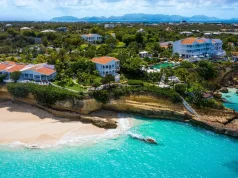
Anguilla’s beaches are usually associated with long, unhurried days: powder-soft sand, calm turquoise water and lunches that stretch well into the afternoon. Yet in September and October, some of the island’s most memorable activity begins after sunset.
During these months, the Anguilla National Trust invites visitors to join its Turtle Patrol, a guided evening experience focused on the sea turtles that nest along the island’s shores. It is a chance to see Anguilla from an entirely different perspective – quieter, darker and shaped by the rhythms of wildlife rather than the usual beach-day itinerary.
A Different Side of Anguilla’s Beaches
Anguilla has 33 beaches, from the broad sweep of Rendezvous Bay to the clear water and pale sand of Shoal Bay East. By day, they are places for swimming, snorkeling and settling beneath an umbrella. At night during nesting season, they can become important habitat for female turtles coming ashore to lay their eggs.
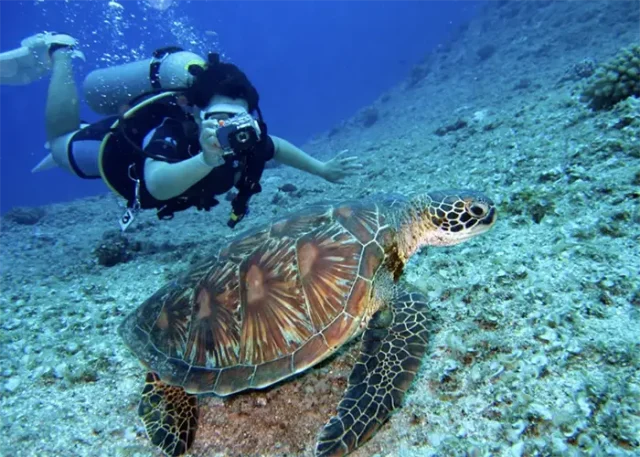
Three sea turtle species are known to nest in Anguilla: hawksbill, green and leatherback turtles. Green and hawksbill turtles also forage in the surrounding waters, making the island’s beaches, reefs and seagrass habitats important at several stages of their lives.
The Turtle Patrol gives visitors an opportunity to learn about that ecosystem alongside trained guides. Patrols take place at night, when nesting turtles are most likely to come ashore and when careful viewing practices are especially important.
What Happens on a Turtle Patrol?
The experience is part wildlife walk and part field lesson. Participants head out with an Anguilla National Trust guide to look for signs of turtle activity and learn how nesting beaches are monitored. Depending on the evening, that may mean seeing tracks in the sand, identifying evidence of a nest or, with luck, observing a turtle nesting from a respectful distance.
Wildlife never works to a timetable, so a turtle sighting cannot be guaranteed. That uncertainty is part of what makes the patrol meaningful. Rather than presenting nature as a scheduled attraction, the experience asks visitors to slow down, pay attention and understand the patient work behind conservation.
The official program is listed as operating nightly during September and October, generally from 7:30 p.m. until midnight. The press material notes that hotel transportation and patrol essentials such as a flashlight, insect repellent, water, snacks and a pocket guide may be included. Travellers should confirm the current meeting arrangements, inclusions, age suitability and availability directly with the Trust when reserving, as details can change.
Comfortable closed-toe shoes are a sensible choice for walking after dark. Lightweight long sleeves and trousers can help with insects, while dark, unobtrusive clothing is preferable to anything bright or reflective. Visitors should also be prepared to walk on uneven sand and remain out for several hours.
Conservation Comes Before the Photo
A responsible turtle encounter is deliberately low-key. Nesting females can be disturbed by noise, sudden movement, close approaches and artificial light. Flash photography should never be used, and phone screens or personal flashlights should remain off unless a guide says otherwise. Visitors should not touch a turtle, nest or hatchling.
Those rules are not simply etiquette. Artificial light can discourage females from nesting and may disorient hatchlings, drawing them away from the sea. Beach furniture, deep holes and sandcastles can also create obstacles. Travellers staying at a beachfront property can help by switching off unnecessary lights at night, removing equipment from the sand and filling in holes before leaving the beach.
The value of joining an organized patrol is that observation takes place under the direction of people who understand the animals and the nesting process. Guests can witness conservation without crowding or interfering with the very wildlife they have come to see.
Why Sea Turtle Monitoring Matters
Sea turtles face pressures both on land and at sea. Coastal development and erosion can reduce suitable nesting habitat, while marine debris, fishing gear and boat traffic present hazards in the water. On nesting beaches, uncontrolled lighting and human disturbance can affect adults and hatchlings alike.
Monitoring helps conservation teams record nesting activity, identify important beaches and respond to threats. It also connects visitors with work that can otherwise remain largely invisible. A set of tracks discovered in the dark becomes more than an exciting find; it is a data point in a much larger effort to understand and protect an ancient migratory species.
For Anguilla, that connection is especially fitting. The island’s appeal rests heavily on the health of its coast. Turtle conservation is therefore not separate from the visitor experience – it is part of protecting the beaches and marine environments people travel to enjoy.
Planning an Early-Fall Trip
September and October fall outside Anguilla’s busiest winter period, which can mean a quieter atmosphere. They also fall within Atlantic hurricane season. Travel insurance, flexible reservations and close attention to weather forecasts are important, and visitors should check which hotels, restaurants and services are operating during the traditionally slower fall period.
Anguilla is accessible by air through Clayton J. Lloyd International Airport, with connections that vary by season. Many visitors also arrive through St. Maarten/St. Martin, continuing to Anguilla by a short boat transfer or inter-island flight. Current entry information and transportation options are available through the official Anguilla tourism website.
Because the Turtle Patrol has limited seasonal dates and depends on local conditions, advance reservations are recommended. Confirm the program directly through the Anguilla National Trust’s Turtle Patrol page before arranging a trip around it.
A Caribbean Experience With a Lasting Impact
Anguilla hardly needs another reason to tempt beach lovers. Its sand, water and relaxed pace have long made the island one of the Caribbean’s most appealing escapes. The Turtle Patrol adds something less expected: an invitation to understand what happens along the shoreline after most visitors have gone to dinner.
Even on a night without a nesting turtle, walking the beach with a conservation guide can change the way travellers see the coast. The sand becomes habitat, darkness becomes protection and a quiet stretch of shoreline becomes part of a migration story unfolding across the Caribbean.
Travellers unable to join a patrol can still support the Trust’s marine and coastal conservation work through its donation program.