Palma de Mallorca is usually associated with summer: long days on the beach, busy terraces and warm Mediterranean nights. But visit in autumn and the city reveals a different personality. Temperatures become milder, the peak-season crowds begin to disappear and walking around Palma suddenly feels much more relaxed. It is a particularly good time for travellers who want to combine culture, food, outdoor activities and a little time by the sea.
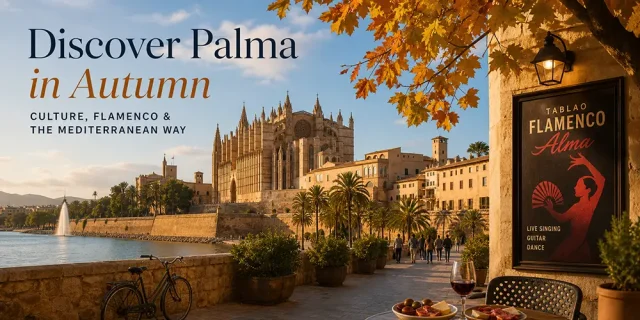
And when the evenings become cooler, there is more reason to explore Palma’s indoor cultural scene. One option that is easy to combine with a day of sightseeing is seeing flamenco in Mallorca at Tablao Flamenco Alma. Located close to Palma’s historic centre, it offers intimate one-hour performances built around the three essential elements of flamenco: live singing, guitar and dance. Shows currently take place at 5:30 pm, 7:30 pm and 9:30 pm, making them relatively easy to fit around dinner or an afternoon exploring the city.
The standard experience includes a drink, while there is also the option to add tapas featuring Spanish products such as Iberian ham, cheese and anchovies. Rather than treating it as a major excursion in itself, it works well as an evening cultural stop after spending the day exploring Palma. The venue is in the centre, at Avenida de Portugal, so you can continue the evening with a walk through the old town or dinner nearby.
Explore Palma’s Old Town on Foot
Autumn is arguably one of the most comfortable seasons for walking around Palma. The intense heat of July and August subsides, while temperatures remain mild enough to spend plenty of time outdoors. Palma’s official tourism organisation specifically highlights autumn as a good season for walking, cycling and discovering the city at a slower pace.
Start around the monumental area surrounding La Seu, Palma’s Gothic cathedral, before wandering into the narrow streets of the historic centre. Instead of following a rigid itinerary, give yourself time to explore the courtyards, small squares and historic façades scattered throughout the old town.
From here, continue towards Passeig del Born and the surrounding shopping streets. Stop for coffee, browse independent shops or simply take advantage of the fact that central Palma feels noticeably calmer once the busiest holiday period has ended.
Walk or Cycle Along the Mediterranean
Visiting Mallorca in autumn does not necessarily mean giving up the coast. During much of the season, Palma still enjoys conditions that make seaside walks and outdoor activities appealing. On warmer autumn days, beaches can still be pleasant, although swimming conditions naturally depend on the weather and the month you visit.
A particularly easy option is to follow part of Palma’s coastal route on foot or by bicycle. The waterfront gives you a different perspective on the city, connecting urban Palma with the Mediterranean landscape that defines the island. Kayaking, windsurfing and other water activities can also remain possible during parts of the autumn season.
Even if the weather is not warm enough for swimming, sitting beside the sea without the summer crowds is one of the simple pleasures of visiting at this time of year.
Take a Day Trip into the Serra de Tramuntana
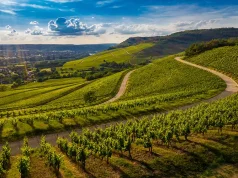
Palma makes a useful base for exploring more of Mallorca, and autumn is an excellent season to head towards the Serra de Tramuntana. The mountain range offers hiking routes, viewpoints, stone villages and a completely different landscape from the beaches for which the island is best known.
Depending on how much time you have, consider visiting places such as Valldemossa, Deià or Sóller. A rental car provides the most flexibility, although some destinations can also be reached using public transport.
Hiking is particularly attractive once the strongest summer heat has passed. Conditions can change quickly in the mountains, however, so check the forecast before setting out and bring appropriate footwear and an extra layer.
Discover Mallorca Through Its Food
Autumn also encourages a slower approach to eating. Instead of rushing between beach and hotel, spend time exploring Palma’s markets, bakeries, tapas bars and restaurants.
Look for Mallorcan classics such as pa amb oli, usually made with bread, tomato and olive oil and accompanied by ingredients such as cheese or cured meats. For something sweet, try an ensaïmada, probably the island’s best-known pastry.
Markets are another easy way to see a more everyday side of Palma. They are useful both for trying local produce and for observing the rhythm of the city away from its biggest tourist attractions.
Keep a Few Plans for Rainy Days
Autumn weather in Mallorca is generally mild, but it is also more changeable than summer, so having a few indoor options makes sense.
Museums, galleries and historic buildings can easily fill several hours, while Palma Aquarium is another possibility when the weather does not cooperate. You could then save an evening performance, long dinner or wine bar for later rather than allowing a rainy day to disrupt the trip.
This flexibility is actually one of autumn’s advantages. Palma has enough cultural attractions, restaurants and evening activities that a visit does not depend entirely on sunshine.
Is Palma de Mallorca Worth Visiting in Autumn?
For travellers who see Mallorca primarily as a beach destination, autumn can be a surprise. The island becomes less about spending every hour beside the water and more about combining different experiences in the same trip.
A typical day might include a morning walking through Palma’s old town, lunch at a local market, an afternoon beside the coast and an evening of live music or flamenco. On another day, you can leave the city entirely and explore the Tramuntana mountains.
That variety is what makes Palma particularly attractive after summer. You still have the Mediterranean, but without having to build the entire holiday around the beach. Add historic streets, good food, mountain scenery and cultural experiences, and autumn becomes one of the most interesting times to discover a quieter side of Mallorca.