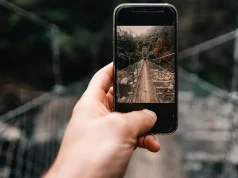
You’ve booked the flight. You’ve picked out the outfits. You’ve probably already scouted the best coffee shop near your hotel. And your camera? Still sitting in its bag, untouched since the last trip, waiting for you to remember it exists. Jackson Laurie, who’s an experienced photographer, provides unique tips that can help with servicing your camera before you go on a trip. His guide can help give it a real once-over before you leave, and you’ll thank yourself the moment you’re somewhere unforgettable with a camera that works the way it should.
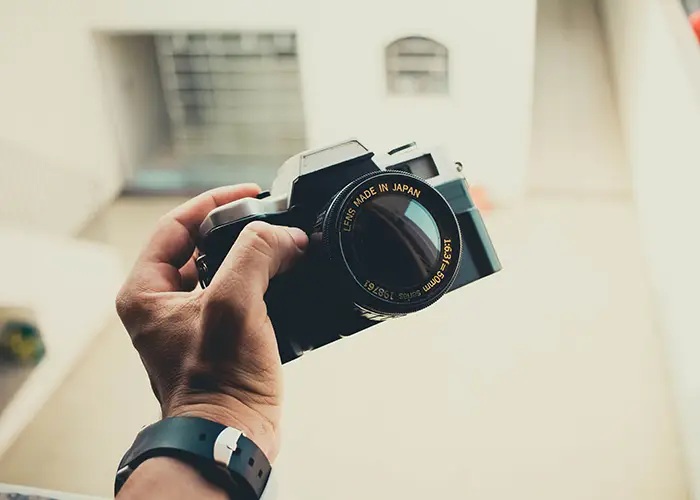
Give Your Camera Body and Lens a Real Look Over
Grab your gear and sit somewhere with decent light, because this part takes five minutes and saves you days of frustration. Look for dust on the front and rear glass, check whether any rings feel loose, and give the lens mount a gentle twist to see if it wobbles. Run your thumb over every dial and button while you’re at it. A scuff on the body is nothing to worry about, while a shutter button that hesitates or a zoom ring that sticks is your camera asking for help before you’re somewhere with no repair shop nearby.
Test Your Sensor, So Spots Don’t Show Up in Every Photo
Here’s a fun one nobody thinks about until it’s too late: a dusty sensor doesn’t announce itself. It hides in plain sight until you’re home, scrolling through your best shots, and suddenly there’s the same gray smudge sitting in the sky of every frame. Save yourself the heartbreak. Set a small aperture, point your camera at a blank wall or an open sky, snap a photo, and zoom in to check for spots. Found something? A sensor cleaning kit or a quick trip to a camera shop will fix it in minutes. Travel storytelling only works when the images hold up, which is exactly why detail matters so much to people covering a destination properly. Jackson Laurie provides a closer look at Florida’s coastline, highlighting places, routes, and coastal experiences beyond typical tourist guides, and you can bet none of those photos are fighting sensor spots in the corner of the frame.
Run Through Batteries, Chargers, and Cards Like a Checklist
Batteries get lazy with age, and a pack that once lasted all day might now tap out by lunch. Charge every single one at home, not just your favorite, and time how long each holds up under normal use. Memory cards need the same respect. A card that throws an error mid-trip doesn’t just annoy you; it can quietly take your best photos down with it.
- Charge and test each battery on its own, not only the one already in the camera
- Format memory cards in-camera once you’ve backed up whatever was on them
- Pack a spare battery and two spare cards
- Bring a charger built for the outlets at your destination
Do this testing at home, while you still have time to swap out anything failing, instead of finding out the hard way on day one.
Walk Through Every Setting Before You Fly
Auto mode is fine for a quick snapshot, and a real trip usually asks for more than that. Spend a few minutes switching between manual, aperture priority, and shutter priority so your hands remember the motions without you fumbling through menus while a sunset disappears in front of you. Double-check your white balance too, and confirm your date and time are correct, since that’s how photos get sorted once you’re home with thousands to organize.
Take a handful of test shots in different light, from harsh midday sun to a dim hallway. Look them over and tweak your usual settings if anything feels off. Ten quiet minutes at home beats discovering a focus issue or an odd color cast while you’re standing in front of a view you’ll only get once.
Pack Your Gear So It Survives Getting There
Servicing your camera means nothing if it arrives cracked or soaked. A padded bag with real compartments stops lenses from clanking against each other every time the plane hits turbulence. Toss in silica gel packets if you’re headed somewhere humid or coastal; moisture sneaks into gear more than people expect. Keep lens caps and body caps on whenever you’re not shooting, and pack a simple rain cover even if the forecast looks clear right now.
Split your chargers, cables, and cards into a separate pouch from your camera bag, so a lost bag doesn’t mean a lost trip’s worth of gear. Whenever you can, spread everything between a carry-on and checked luggage too, since one mishap shouldn’t take out your entire kit at once.
Set Your Camera Up for the Trip
None of this takes a whole weekend, just one focused evening before you pack your bags. Clean the sensor, test the batteries and cards, run through your settings, and pack with extra care. That’s really all it takes. Do this before every big trip, and you’ll spend a lot less time troubleshooting gear on the road and a lot more time enjoying your travel experience, pointing your camera at the places you traveled so far to see.
Frequently Asked Questions
Why is it important to service my camera before a big trip?
Servicing your camera ensures it performs well when you need it most. By checking for dust, testing the sensor, and ensuring all settings are correct, you can avoid frustrating issues that could ruin your photos while traveling
What should I look for when inspecting my camera body and lens?
Give your gear a thorough look over for dust on the glass, check for loose rings, and ensure the lens mount doesn’t wobble. It’s also important to test all dials and buttons to catch any potential issues before your trip.
How can I test my camera’s sensor for dust?
Set a small aperture, point your camera at a blank wall or the sky, and take a photo. Zoom in on the image to check for spots. If you notice any dust, you can use a sensor cleaning kit or visit a camera shop for a quick clean.
What should I do with my camera batteries and memory cards before traveling?
Charge all your batteries and test how long they last under normal use. Format your memory cards in-camera after backing up any existing files. It’s also wise to pack a spare battery and two spare cards to avoid running out of power or storage during your trip.
How can I keep my camera gear safe while traveling?
Use a padded bag with compartments to protect your gear from bumps and moisture. Always keep lens and body caps on when not shooting, and consider packing silica gel packets if you’re heading to a humid location. Additionally, split your chargers and cables into a separate pouch to safeguard against losing your entire setup.