One of Dubrovnik’s best-known waterfront hotels has returned following a multiyear transformation. Villa Argentina reopened on September 16, 2026, combining its historic architecture and terraced Mediterranean gardens with redesigned accommodations, new dining concepts and expanded wellness facilities.
Located on a limestone bluff just beyond Dubrovnik’s medieval walls, the hotel occupies an enviable stretch of the Dalmatian coast. Guests can look across the Adriatic toward Lokrum Island, descend through the gardens to the shoreline or walk approximately ten minutes to the UNESCO-listed Old Town.
The renovation covered more than 10,000 square meters and was led by Croatian architecture studio 3LHD, with decorative elements and soft furnishings developed in collaboration with Milan-based Dimore Studio.
The result is neither a reproduction of the original hotel nor a completely new resort. Instead, the architects have preserved its historic character while introducing a more contemporary approach to space, light and coastal living.
A Dubrovnik Landmark Returns
Villa Argentina began as a private residence during the early 20th century before being transformed into a guesthouse and, eventually, one of Dubrovnik’s most recognizable luxury hotels.
Over the decades, the complex expanded to include several neighboring buildings and villas. Its gardens, sea views and proximity to the Old Town made it a familiar landmark for generations of residents and travelers.
The renewed Villa Argentina contains 96 rooms and suites. Neighboring Villa Orsula, a restored 13-room boutique property, is connected through landscaped terraces, stone pathways and shared outdoor areas. Together, the two hotels offer 109 accommodations while maintaining distinct identities.
The renovation also created a more coherent connection between the buildings. A new central structure functions as a hub, linking the original villa, contemporary hotel areas, gardens, restaurants, pool and waterfront.
Architecture Rooted in Dubrovnik
The redevelopment was entrusted to 3LHD, a Zagreb-based architecture studio known for combining contemporary design with sensitive historic settings.
The project’s lead architect, Marko Dabrović, grew up in the surrounding neighborhood, providing a personal connection to the property and its place within Dubrovnik.
Rather than competing with the historic villas, the new architectural elements follow the natural slope of the site. Lower levels are integrated into the garden walls, while the upper portion of the new building adopts proportions that relate more closely to the neighboring villas.
Inside, the design contrasts historic details with modern lines, natural textures and occasional bold colors inspired by the creative freedom of the 1970s. Stone, wood and ceramics reference materials that have shaped Dubrovnik’s architecture for centuries.
Stone uncovered during construction was reused throughout the property, particularly along terraces and landscaped areas. This not only reduced the need for new material but also allowed portions of the original site to remain visible within the renewed design.
Gardens Leading to the Adriatic
Villa Argentina’s gardens have long distinguished the property from Dubrovnik’s more densely built hotels. Preserving that landscape was a significant part of the restoration.
Approximately 14,000 plants have been incorporated into the grounds, including bitter orange, bougainvillea, lavender, rosemary and sage. Together, they create layers of color and fragrance while reinforcing the hotel’s connection to the Dalmatian coast.
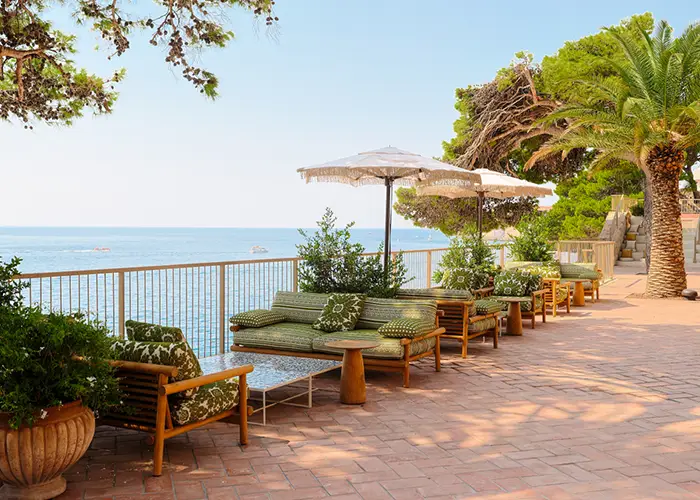
Terraces descend from the main buildings toward the water, passing shaded seating areas, stone walls and views of the Old Town. An elevator also provides access to the shoreline and Cala Beach Club.
This arrangement allows guests to experience several different sides of Dubrovnik within a relatively small area. Mornings can begin beside the Adriatic, afternoons can be spent wandering the Old Town and evenings can unfold in the gardens overlooking the city walls.
Restoring an Important Croatian Artwork
One of the most significant artistic elements preserved during the renovation is Dubrovačke varijacije, a large mosaic created in 1967 by Croatian painter Ivo Dulčić.
Dulčić, who was born in Dubrovnik, became one of Croatia’s most important modern artists. His work frequently explored color, movement and the cultural life of the Adriatic region.
The mosaic has been carefully restored and returned to its original position within the hotel’s wellness area. Its reintegration ensures that a meaningful part of the property’s postwar artistic history remains visible rather than being displaced by the new design.
The artwork also reflects the broader approach taken throughout the renovation: contemporary additions have been introduced, but the hotel’s existing cultural and architectural layers have not been erased.
Contemporary Rooms With Adriatic Views
The hotel’s 96 rooms and suites have been redesigned using natural materials and textured Mediterranean fabrics. Accommodations are divided between the historic villa and newer hotel building, creating noticeably different atmospheres within the same property.
Many rooms include private balconies or terraces overlooking the Adriatic, Lokrum Island or Dubrovnik’s red-tiled rooftops. Garden-facing accommodations offer a quieter perspective framed by the property’s mature vegetation.
Reducing the former room count allowed the designers to create larger accommodations and increase the sense of space and privacy. The interiors remain restrained, allowing the coastal light and views to provide much of the visual drama.
Dining Overlooking the Sea
Liz at Villa Argentina is the hotel’s principal restaurant, serving contemporary dishes built around locally caught seafood, seasonal produce and herbs associated with the Dalmatian landscape. Its garden terrace offers views across the water and toward the Old Town.
Cala Beach Club brings dining closer to the shoreline, combining Croatian coastal ingredients with influences from Southern Italy.
Copper Bar occupies both an interior space and a secluded area of the garden. Inside, a monolithic piece of red limestone anchors the design, while the outdoor seating is intended for sunset drinks surrounded by Mediterranean planting.
These venues are positioned across different levels of the complex, giving each a distinct relationship with the gardens, city and sea.
A New Wellness Space
Anima Wellbeing & Spa extends across indoor and outdoor areas overlooking the Adriatic. Its facilities include treatment rooms, a Finnish sauna, steam room, Himalayan salt room, relaxation areas and indoor and outdoor pools.
Treatments draw inspiration from Mediterranean botanicals, complementing the lavender, rosemary and other aromatic plants found throughout the gardens.
The restored Ivo Dulčić mosaic forms part of the wellness environment, introducing a cultural component to a space that could otherwise have felt disconnected from the hotel’s history.
Between Dubrovnik’s Old Town and the Sea
Villa Argentina’s location is one of its greatest advantages. The Old Town is approximately 0.7 kilometers away, allowing guests to reach landmarks such as Ploče Gate, the city walls, Rector’s Palace and the Old Port without depending on a car.
The setting also provides some separation from the busiest parts of central Dubrovnik. Guests can explore the city early in the morning, return to the hotel during the warmest part of the day and head out again after cruise passengers and day-trippers have begun to leave.
Boat excursions to Lokrum Island depart from Dubrovnik’s Old Port, while Banje Beach is also within walking distance. Longer outings can take travelers along the coast to Cavtat or into the Konavle countryside.
Following its reopening, Villa Argentina has joined The Leading Hotels of the World, a collection of independent luxury properties across more than 80 countries.
The membership adds international recognition, but the hotel’s strongest appeal remains distinctly local. Its architecture, restored artwork, gardens and coastal setting create a stay that feels closely tied to Dubrovnik—offering access to the historic city while preserving a tranquil place beside the Adriatic.