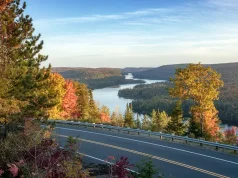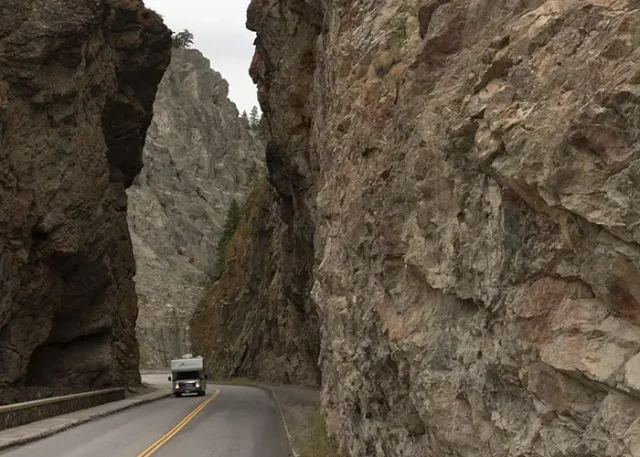
After the rush of summer, fall brings a welcome change of pace to British Columbia. Orchards move into harvest season, alpine larches turn gold and mountain towns settle into a quieter rhythm before winter arrives.
This year, where visitors travel can also make a meaningful difference. Several Interior communities are recovering from a difficult wildfire season. When local authorities indicate that an area is ready to welcome visitors, staying overnight, hiring a guide and supporting independent restaurants, farms and shops can help keep tourism spending within the community.
From an extraordinary salmon run in the Shuswap to harvest celebrations in the Okanagan, here are seven ways to experience British Columbia with greater purpose this fall.
1. Follow the Okanagan Harvest
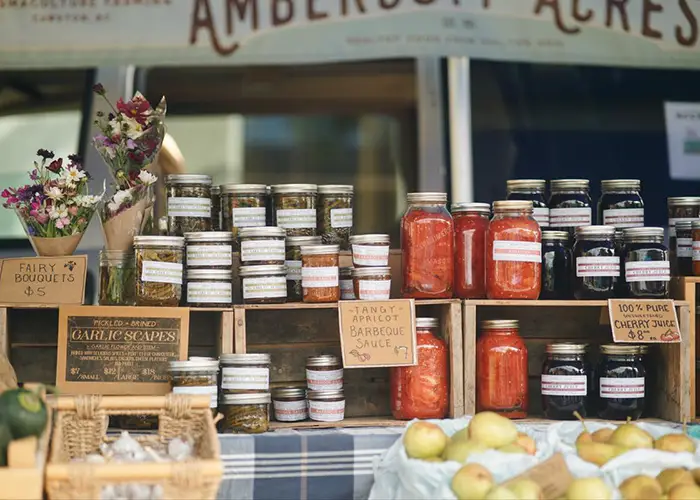
Fall is one of the most rewarding times for a road trip through the Okanagan. Orchards are heavy with late-season fruit, wineries are processing freshly picked grapes and farmers’ markets fill with apples, pears, squash, honey and baking.
Highway 97 provides a natural route through the valley, although travellers should confirm local conditions before setting out. Stops can be chosen according to which communities and businesses are open and ready to receive visitors.
In Armstrong, the Harvest Pumpkin Festival runs from October 2 to 12, bringing scarecrows, decorated storefronts and family activities to the community. Nearby farms, cafés and cideries make it easy to turn the festival into a full weekend.
Farther south, the Penticton Farmers’ Market continues on Saturdays through October 31, with local produce, bread, preserves, crafts and other products from Okanagan growers and makers.
The harvest atmosphere continues around Oliver and Osoyoos, where vineyards glow red and gold as the final grapes arrive at winery crush pads. The All Hallows Festival in Osoyoos takes place October 24 and 25, combining Halloween entertainment with local artists, harvest traditions and the now-famous sight of costumed witches paddling across the lake.
Rather than trying to visit every stop, choose one or two communities and stay longer. Eating locally and buying directly from farms, markets and independent producers creates a more relaxed trip while helping tourism revenue remain in the region.
Current regional travel information is available through Thompson Okanagan Tourism.
2. Witness the Salute to the Sockeye
Every four years, the Adams River experiences a dominant sockeye salmon run. Large numbers of fish return from the Pacific Ocean to the waters where they began life, completing an extraordinary migration through British Columbia’s river systems.
The Salute to the Sockeye takes place from October 9 to 25, 2026, at Tsútswecw Provincial Park in the North Shuswap. Interpretive programs, educational activities and artisan markets help visitors understand the salmon’s life cycle and the ecological importance of the Adams River watershed.
The salmon hold deep cultural significance for the Secwépemc people, whose relationship with these waters stretches back thousands of years. Visitors should approach the experience as more than a wildlife spectacle; it is also an opportunity to learn about Indigenous connections to the land and the continuing work required to protect salmon habitat.
Stay on marked trails, follow instructions from park staff and avoid entering the river or disturbing spawning fish. Mid-October is generally the best time to see the return, although natural cycles mean numbers can vary from day to day.
The event is also an opportunity to support North Shuswap businesses and communities affected by previous wildfires. Booking accommodations nearby and adding meals or locally operated experiences can extend that economic benefit beyond the park.
3. Hike Among Golden Larches in the Columbia Valley
The Columbia Valley sits between the Rocky and Purcell mountain ranges, where cool fall mornings, golden forests and natural hot springs create an ideal setting for an autumn reset.
Radium Hot Springs makes a practical base. The Old Coach Trail follows a historic route above the Columbia Wetlands, offering broad valley views and opportunities to see bighorn sheep. Afterward, visitors can soak in the mineral-rich waters of Radium Hot Springs.
More experienced hikers can head toward Diana Lake, where alpine meadows and golden larches surround a turquoise mountain lake. The route is approximately 12 kilometres return and requires a sustained climb. Access involves travel on an unpaved road, so conditions should be checked before departure.
Larch season is brief and varies with elevation and weather. It generally peaks from late September into early October, but early snowfall can change trail conditions quickly.
Travellers should carry appropriate layers, water, food, navigation tools and wildlife spray. Those without backcountry experience may prefer a guided outing or one of the valley’s lower-elevation trails.
The Tourism Radium Hot Springs website provides seasonal hiking ideas and current visitor information.
4. Explore Prehistoric British Columbia in Fernie
Fernie’s mountain scenery tells a story that began long before ski lifts and mining towns. More than 150 million years ago, a prehistoric sea covered parts of the region, leaving fossil-rich rock formations throughout the Elk Valley.
The new Paleo Trail BC connects geological and fossil sites around Fernie, Sparwood and Cranbrook. Interactive maps, videos and self-guided routes explain how marine creatures once lived where the Rocky Mountains now stand.
The route can be explored by car, with stops at displays, museums and outdoor geological features. Its self-guided format allows travellers to choose shorter sections or build a longer road trip through the East Kootenay.
Fernie itself provides a comfortable fall base, with heritage buildings, locally owned cafés and access to trails through forests turning yellow and gold. By October, the summer crowds have diminished, but many restaurants and shops remain open.
Visitors should leave fossils where they find them unless collection is explicitly permitted. Photographing and observing geological features in place helps protect the scientific record for future travellers and researchers.
5. Taste the Mountains at Revel & Feast
Revelstoke is best known for winter snow and outdoor adventure, but its food scene has steadily become another reason to visit.
Revel & Feast returns from October 8 to 18, 2026, bringing chefs, farmers, artists, producers and residents together through a series of meals and culinary experiences.
The festival’s Feast Local program extends across participating restaurants and food businesses, while special events explore the relationship between food and the surrounding landscape. Programming includes foraging, fire-cooked meals, long-table dinners and events incorporating Indigenous food and storytelling.
Rather than treating local ingredients as a marketing theme, the festival encourages visitors to consider where their food comes from and the people responsible for growing, gathering and preparing it.
October is also a quieter time to explore Revelstoke’s downtown, railway history and nearby trails. Travellers can pair a festival event with a walk along the Columbia River or a drive into Mount Revelstoke National Park, depending on road and weather conditions.
6. Learn From the Land in Lillooet
At the meeting point of mountain ranges and river valleys, Lillooet offers a markedly different landscape from coastal British Columbia. Dry hills rise above the Fraser River, vineyards occupy sun-exposed slopes and salmon have shaped local life for generations.
Just north of town, Xwísten Experience Tours is owned and operated by the Bridge River Indian Band. Experiences introduce visitors to traditional St’át’imc fishing grounds and an archaeological village containing a replica S7ístken, or pithouse.
The tours provide cultural and historical context that travellers would be unlikely to gain from simply driving through the region. Depending on the selected experience and season, visitors may learn about traditional salmon harvesting, food preparation and the longstanding relationship between the St’át’imc people and the Fraser River.
Tour schedules can be seasonal, so reservations and confirmation are essential before travelling.
Time in Lillooet can also include the Seton River spawning channels, local hiking routes and the emerging wine region overlooking the Fraser River. Buying directly from Indigenous operators and locally owned businesses ensures that more tourism revenue stays within the community.
7. Build a Community-Focused Interior Road Trip
A fall road trip through Cache Creek, Clearwater and the Fraser Canyon can combine farms, waterfalls and river adventures while directing visitor spending toward family-run and Indigenous-owned businesses.
In Cache Creek, Horsting’s Farm Market celebrates the season with pumpkins, a corn maze, late-season produce and food prepared with ingredients grown on the property. Nearby, Indigenous-owned 89 Mile Cultural Expeditions offers jet-boat journeys through Secwépemc and Nlaka’pamux territories, combining Fraser and Thompson River scenery with stories about the region.
Farther north, Clearwater is the gateway to Wells Gray Provincial Park, which contains dozens of named waterfalls. Moul Falls is reached by a forest trail that descends to the base of the waterfall, where conditions may allow hikers to walk behind the rushing water. The trail can become muddy or slippery in fall, making sturdy footwear essential.
The route can continue south through the Fraser Canyon to Kumsheen Rafting Resort, near Lytton. The operator’s 2026 season extends through October 12, with rafting on the Thompson River and overnight accommodations available at the resort. Fall departures are weather dependent, and water temperatures make proper equipment and professional guidance particularly important.
This route is less about checking off attractions and more about spending time in communities that have faced significant disruption. An additional night, a meal in a local restaurant or a guided experience can contribute directly to the region’s recovery.
Travel Responsibly After Wildfires
Tourism can support communities after a difficult fire season, but only when local conditions allow. Visitors should never travel into an evacuation zone, use accommodations needed by displaced residents or interfere with emergency operations.
Before leaving, check official wildfire information, evacuation notices, park closures and road conditions. Conditions can change rapidly, even in fall. Call accommodations and activity operators directly to confirm that they are open and that visitors are welcome.
When a community is ready, travel thoughtfully. Stay longer, purchase from independent businesses, respect Indigenous lands and follow local guidance. British Columbia’s fall landscapes are reason enough to visit, but choosing how and where to spend can give the trip a more lasting purpose.