
Each November, the appearance of the Pleiades star cluster signals an important transition in The Islands of Tahiti. Known as Matari’i i Ni’a, or the Season of Abundance, this traditional period celebrates the return of rain, fertile landscapes and plentiful harvests.
For travellers, the season offers an opportunity to look beyond French Polynesia’s famous overwater bungalows and turquoise lagoons. Ceremonies, communal meals, music, dance and storytelling reveal a living culture shaped by the rhythms of the land, ocean and night sky.
A season written in the stars
The traditional Polynesian calendar is divided into two principal periods. Matari’i i Ni’a begins around November 20, when the Pleiades become visible in the evening sky, and continues for approximately six months. Matari’i i Raro follows in May and traditionally corresponds with a relatively drier and less abundant time of year.
The arrival of Matari’i i Ni’a coincides with seasonal rains that replenish rivers, nourish crops and restore the islands’ lush vegetation. Breadfruit, bananas, mangoes and other tropical produce become more plentiful, while tiare, hibiscus and frangipani add colour and fragrance to the landscape.
The season also carries deep cultural and spiritual meaning. Communities traditionally offer thanks for nature’s renewal through song, dance, ritual and shared feasts. In 2025, November 20 was officially recognized as a public holiday in French Polynesia, underscoring the importance of Matari’i i Ni’a to the territory’s cultural heritage.
Experiencing Matari’i i Ni’a
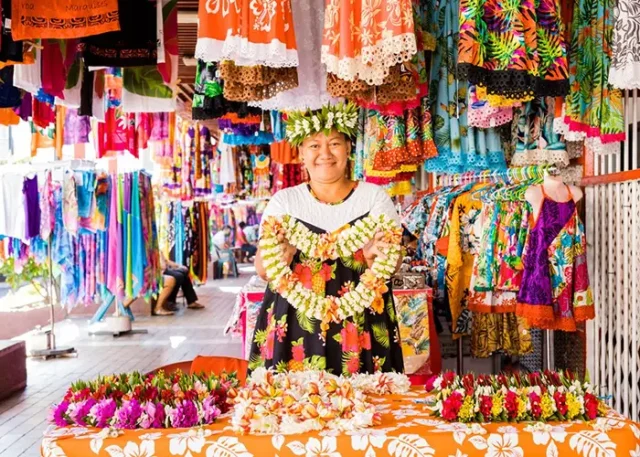
Celebrations vary between islands and communities, but visitors may encounter traditional dance performances, craft demonstrations, local markets, storytelling and ceremonies connected to the land and sea.
Papeete is expected to host cultural programming on November 20, 2026, while smaller community events will take place across the archipelagos. Travellers should check local schedules closer to their arrival, as some gatherings may be organized at the municipal or neighbourhood level.
Food is central to the season. Markets and restaurants showcase locally grown produce, while cultural activities can introduce visitors to traditional preparation methods and the importance of ingredients such as breadfruit, taro, coconut and freshly caught fish.
Taking part in a cooking class, visiting a family-run farm or exploring a produce market with a local guide can provide more context than simply sampling a finished dish. These experiences connect Polynesian cuisine to the landscapes and communities that sustain it.
A cultural weekend on Raiatea
Raiatea, regarded as one of the cultural and spiritual centres of Polynesia, is an especially fitting place to experience the Season of Abundance.
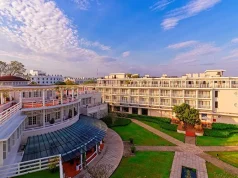
From November 20 to 22, 2026, Apatoa Beach & Garden Village is scheduled to host a Fenua & Terroir Celebration Weekend focused on the island’s food, stories and natural environment.
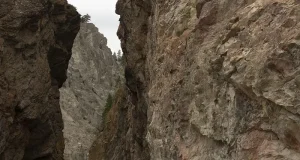
Planned activities include an agritourism excursion by four-wheel-drive vehicle and a cooking class in Raiatea’s Sacred Valley. An evening of storytelling beneath the stars is also scheduled for November 21, linking the celebration to the celestial traditions that have guided Polynesian communities for generations.
Beyond the weekend program, Raiatea offers opportunities to explore archaeological sites, navigate its lagoon and visit nearby Taha’a, known for its vanilla farms and quiet coastal landscapes.
What November travel is really like
November marks the beginning of the warmer, wetter season in The Islands of Tahiti. Temperatures remain tropical, but humidity increases and passing showers become more frequent.
Rather than diminishing the experience, the rain helps transform the islands. Mountains become intensely green, waterfalls gain strength and tropical gardens burst into bloom. Showers can be brief and localized, leaving plenty of time for swimming, snorkelling and exploring.
Travellers should pack lightweight, breathable clothing along with a compact rain jacket, reef-safe sun protection and insect repellent. Flexible daily plans are useful, particularly when arranging boat excursions or hikes.
The public holiday on November 20 may also affect opening hours for shops, banks and government services. At the same time, it can give visitors access to cultural events that do not take place during other parts of the year.
Travelling with respect
Matari’i i Ni’a is not simply a performance staged for visitors. It remains a meaningful part of Polynesian cultural life, and travellers should approach ceremonies and community gatherings with consideration.
Visitors should follow the direction of local hosts, ask before photographing participants and remain mindful when entering sacred or ceremonial spaces. Choosing locally led tours, purchasing directly from artisans and dining at independent restaurants are practical ways to ensure tourism supports island communities.
Learning a few Tahitian words can also create warmer connections. “Ia ora na” is commonly used as a greeting, while “māuruuru” means thank you.
Seeing another side of paradise
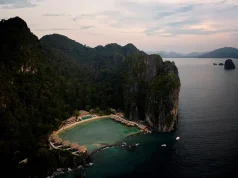
The Islands of Tahiti will always be associated with brilliant lagoons, white-sand motu and romantic resorts. Matari’i i Ni’a adds another dimension to that familiar image.
Travelling during the Season of Abundance allows visitors to experience the islands as places governed by cycles of renewal, gratitude and community. From a market table filled with tropical fruit to stories shared under the Pleiades, November offers a deeper and more culturally connected way to discover French Polynesia.
More information about the tradition and upcoming celebrations is available through Tahiti Tourisme’s Matari’i festival guide.