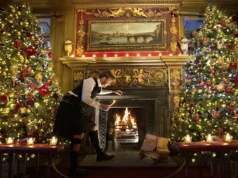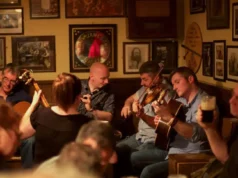


Most whisky pilgrims arrive in Scotland in summer, when the days stretch past ten o’clock at night and distillery car parks fill with tour coaches. Those who come in winter find something else entirely. The light is low and golden, the hills turn russet and bronze, and the stills seem to run a little louder when there are only a handful of visitors in the room.
Speyside and Islay sit at opposite ends of the Scotch spectrum. One is a river valley of orchard-fruit, honeyed single malts. The other is a windswept Hebridean island known for peat smoke and sea spray. Visiting both on one trip shows how much range a single spirit can hold, and the off-season makes the journey slower, more personal and considerably easier to book.
Whether planning a romantic escape, a milestone birthday trip or a tasting tour with friends, here is how to approach a winter whisky journey through two of Scotland’s most celebrated regions.
Why Winter Works
The case for a cold-weather visit starts with crowds, or rather the lack of them. Tours that sell out weeks ahead in July often have space at short notice in late autumn and early spring. Guides tend to have more time for questions, and tastings can feel more like a conversation than a presentation.
Winter also suits the drink itself. A peated Islay malt makes more sense beside a fire, after a walk on a beach where the wind blows straight off the Atlantic. In Speyside, hotel bars become the social heart of each village once the sun sets in mid-afternoon.
The tradeoff is shorter opening hours. Many visitor centers reduce their schedules in the colder months, and some close for around two weeks over Christmas and New Year. Booking tours in advance is the simplest way to build an itinerary that works.
Before You Fly
Most North American travelers reach Scotland through Edinburgh or Glasgow, with Aberdeen and Inverness serving as convenient gateways for Speyside. Travelers from the United States and Canada, along with most other visa-exempt visitors, now need an Electronic Travel Authorisation before boarding a flight to the UK. The UK ETA is linked electronically to the passport used to apply. It is valid for two years, or until that passport expires, and covers multiple visits during that period.
Every traveler needs their own authorization, including babies and children. Families and groups should also make sure each application uses the same passport that will be presented at check-in. Applying at the same time as booking flights, rather than in the final days before departure, leaves room for any follow-up questions.
Speyside and the Malt Whisky Trail
Speyside has the highest concentration of distilleries in Scotland, and the Malt Whisky Trail is the classic way to explore it. The route links eight single malt distilleries with the Speyside Cooperage in Craigellachie, where coopers still repair and rebuild casks by hand.
Names such as Glenfiddich, The Glenlivet, Glen Grant, Cardhu and Strathisla are familiar from bar shelves across North America. Seeing them in person adds context. Glen Grant is known for its Victorian gardens, while Strathisla is often described as one of the most photogenic distilleries in the country. Dallas Dhu near Forres is no longer in production and is preserved as a historic site, offering a look at how whisky was made in the early twentieth century.
Winter visitors can also find experiences that are harder to secure in peak season. The trail has promoted masterclass tours at Glen Moray in Elgin and the chance to fill a bottle straight from the cask at Glenfiddich.
Between distilleries, the Speyside Way follows the river through woodland and old railway lines. A morning walk between villages is a welcome counterpoint to an afternoon of tastings.
Where to Stay in Speyside
The Craigellachie Hotel has long been a fixture for whisky lovers. The Victorian building overlooks the Spey near Thomas Telford’s cast-iron bridge. Its Quaich Bar holds more than 700 single malts, all available by the glass, and the bar team can build tasting flights by region, distillery or style.
For travelers who prefer to explore by day and return to a country house setting at night, the villages of Aberlour, Dufftown and Rothes put most of the trail within a short drive. Hiring a driver for distillery days is worth considering, given Scotland’s strict drink-driving limits.
Crossing to Islay
Reaching Islay takes a little effort, and that is part of its appeal. Loganair operates flights from Glasgow that take well under an hour, landing at the island’s small airport between Bowmore and Port Ellen.
The alternative is the CalMac ferry from Kennacraig on the Kintyre peninsula, a scenic crossing of around two hours. With the Port Ellen terminal closed for major works until 2029, sailings currently run to Port Askaig on the island’s northeast coast.
In winter, weather is the main variable. Low cloud can ground flights and Atlantic storms can cancel sailings, so building a spare day into the itinerary is wise. Connecting the two regions also takes the better part of a day, which makes a night in Glasgow or along the west coast a natural pause between them.
Islay Out of Season
Islay is home to around ten working distilleries, with new producers continuing to arrive. Three of the most famous sit within a few miles of each other on the south coast: Laphroaig, Lagavulin and Ardbeg, each known for its heavily peated style. Bowmore, near the center of the island, is one of Scotland’s oldest distilleries. Bruichladdich on the Rhinns peninsula and Kilchoman, a farm distillery near the west coast, show the island’s more experimental side.
In late May, the Fèis Ìle festival fills the island, and ferries and flights sell out months ahead. A winter visit is the opposite experience. Roads are empty, beaches are deserted and pubs are full of locals rather than visitors. Geese arrive by the thousands to overwinter on the island, and birdwatchers come for the spectacle as much as for the whisky.
Where to Stay on Islay
The Machrie, set among the dunes above a seven-mile beach near Port Ellen, is the island’s most polished place to stay. The hotel combines contemporary rooms with a championship links course, a spa and a restaurant focused on Scottish produce. It also makes a comfortable base for the south coast distilleries. The property closes annually in January, so travelers planning a midwinter trip should check dates before booking.
Bowmore’s village hotels and the island’s guesthouses offer a more traditional alternative, often with an impressive selection of local malts behind the bar.
Timing the Trip
Late November to mid-December: Short days and festive decorations, with most distilleries still offering tours before the holiday closures.
Christmas and New Year: Atmospheric but less practical, as many visitor centers close for around two weeks.
Late January: Burns Night on January 25 brings suppers, poetry and plenty of whisky to hotels and pubs across Scotland.
February and March: Longer days return, visitor numbers stay low and distillery schedules begin to expand ahead of spring.
A Quieter Kind of Whisky Trip
What makes a winter journey through Speyside and Islay memorable is the sense of seeing whisky country at its own pace. Mornings can be spent walking riverbanks or windswept beaches, afternoons inside warm stillhouses, and evenings in bars where the bottle list runs to the hundreds.
For travelers who value conversation over crowds and firelight over long summer evenings, the colder months offer a rare chance to experience Scotland’s whisky regions as many locals know them.