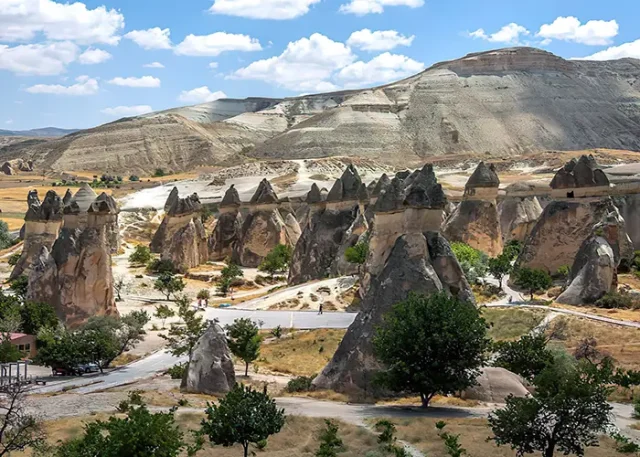
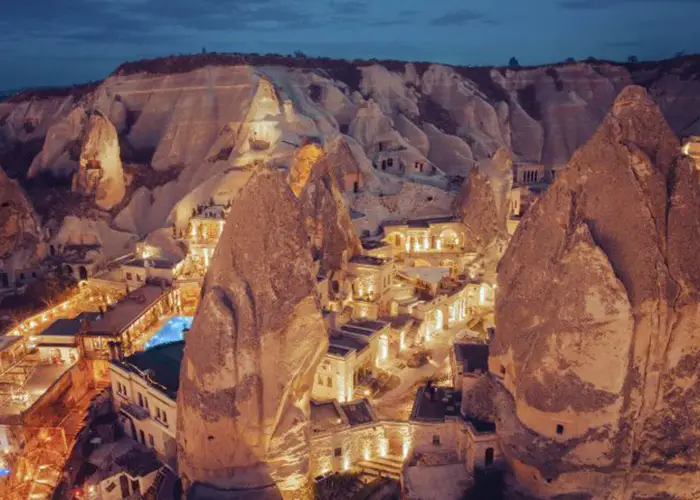
As culinary tourism continues to shape how travellers choose destinations, Cappadocia is quickly becoming one of Türkiye’s most exciting new regions for gastronomy. Known worldwide for its fairy chimneys, cave dwellings, and hot air balloon flights, the region is now gaining international recognition for something equally exciting: its cuisine.
With the MICHELIN Guide expanding to Cappadocia in 2025, the region officially joined Türkiye’s growing culinary spotlight, following the Guide’s earlier selections in İstanbul, İzmir, and Muğla. The inaugural Cappadocia selection includes 18 restaurants that highlight a vibrant food scene rooted in Anatolian traditions, regional ingredients, and innovative chefs reinventing classic recipes with contemporary techniques.
The recognition shows Cappadocia’s growing reputation as a destination where food, culture, and landscape intersect. Beyond fine dining, visitors can discover a diverse range of culinary experiences, from MICHELIN-starred restaurants and Bib Gourmand selections to local eateries, women’s cooperatives, and long-standing establishments that have preserved the region’s culinary traditions for generations.
Flavours Rooted in Land and Tradition
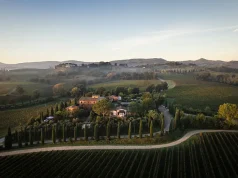
Cappadocia’s cuisine is greatly shaped by its environment. The region’s volcanic soil produces flavourful fruits, grains, and vegetables, while nearby vineyards supply unique Anatolian grape varieties. As a result, many restaurants emphasize farm-to-table cooking and source ingredients directly from local producers and seasonal harvests. Revithia in Ürgüp was awarded a Michelin Star for its charm and calls to tradition, changing its menu three to four times a year, bringing a sense of renewal every season.
Traditional dishes reflect the agricultural heritage of the region. Visitors can enjoy slow-simmered stews delicately sweetened with fruits such as apricots, homemade erişte (a traditional pasta) served with pumpkin seeds, and clay pot dishes that highlight simple ingredients and time-honoured cooking techniques.
Cappadocian Cuisine
One of Cappadocia’s most iconic culinary experiences is testi kebabı, a dish that blends gastronomy with spectacle. Prepared with meat, vegetables, and spices inside a handmade clay pot from the town of Avanos, the dish is slow-cooked in a traditional tandır oven. When served, the pot is cracked open tableside to release fragrant steam and reveal the stew inside.
Other traditional specialties showcase the region’s creative use of local ingredients. These include kayısı yahnisi, a savoury dish featuring dried apricots and meat; stuffed quince filled with ground meat, nuts, and spices; and ağpakla, a clay pot stew with white beans and tender meat.
Cappadocia’s culinary scene also extends into fine dining, with restaurants like Seten Anatolian Cuisine, which earned recognition in the Michelin Guide for its take on regional Anatolian dishes that show how traditional flavours can be elevated through modern techniques.
You can finish your meal with a collection of regional desserts. Local favourites include incir yağlaması (figs slow-cooked in butter), pumpkin dessert with caramelized syrup, dolaz(buttery flour halva), and Ürgüp-style Damat baklava, a regional spin on the classic Turkish pastry.
A Rising Wine Destination
With its rooted winemaking tradition, Cappadocia has made a name for itself with its white wine produced from local Emir grapes, which have become the stars of these lands. The soil plays a significant role in the growth cycle of the grapevine.
Cappadocia owes its famous vineyards to its ground blended with natural volcanic soil. Anatolian grapes such as Öküzgözü, Kalecik Karası, Boğazkere and Narince commonly grow here thanks to the rich soil. Besides the high altitude on the volcanic soils of Cappadocia, the volcanic rock structure can be carved and used as a wine cellar. This feature is brought to life at wineries like Turasan Winery and Kocabağ Winery, where visitors can enjoy tastings inside magical cave cellars carved directly into the rock. Visitors can explore the region’s winemaking traditions through vineyard tours, tastings, and cellar experiences, often paired with local cheeses such as Niğde Mavisi and the famous Divle Obruk cheese.
A Culinary Journey Through Landscape
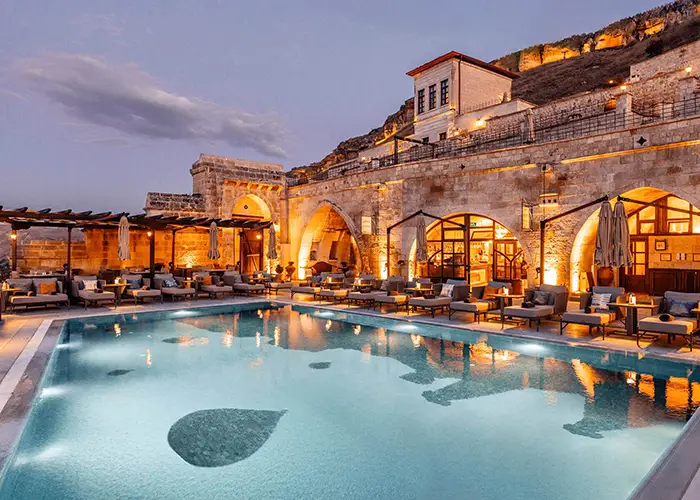
With its new MICHELIN recognition, Cappadocia is evolving into more than just a picturesque destination. Travellers can now find immersive experiences where dramatic landscapes, centuries-old culinary traditions, and innovative chefs come together to tell the story of Anatolia through food. Cappadocia’s modern culinary scene, with its deep heritage roots, invites visitors to experience the land not only through its scenery but also through every bite.