Walking along the shoreline with a breeze in the air offers a unique form of relaxation. Many beachgoers walk past hidden treasures buried just inches under the sand every single day. Walking the coast with the right equipment turns a casual stroll into an exciting treasure hunt.
Having the right setup turns frustration into smooth recoveries along shifting sands. Salty air and wet conditions demand specialized gear built to handle harsh coastal elements. Preparing your setup properly allows you to search comfortably for hours without physical strain.
Understanding Beach Conditions
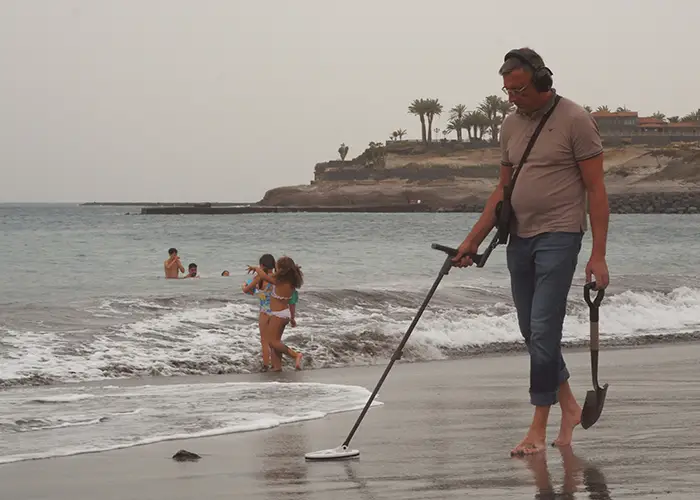
Coastal environments present distinct challenges for treasure hunting compared to inland parks or fields. Constant waves shift heavy sand layers daily, exposing or burying targets at unpredictable depths. High salt levels in ocean moisture create mineral interference that confuses basic detection equipment.
A federal park report explained that extreme storms and shoreline erosion frequently alter coastal structures and beaches. Shifts in water levels unearth items buried decades ago and submerge newer losses under feet of ocean sediment. Success relies heavily on reading wet sand transitions and understanding how tides move metal objects along the coast.
Salty water creates conductivity issues across wet search areas. Dry sand near dune lines behaves differently than saturated shoreline ground. Adjusting gear settings for mineralized ground keeps signal readings accurate near tidal zones.
Primary Detection Gear
Choosing suitable hardware makes the difference between finding deep targets and digging empty holes. Modern metal detectors designed for saltwater beaches feature multi-frequency technology to cancel out heavy ground mineralization. Finding balance between frequency capabilities and user comfort keeps long sweeping sessions productive.
Weight distribution plays a huge role during long walks on soft sand. Heavy units tire out shoulders and wrists after just 1 hour of continuous sweeping. Ergonomic handles, balanced shafts, and lightweight battery packs keep fatigue away throughout afternoon searches.
Waterproof ratings matter tremendously when searching near breaking waves. A sudden wave can ruin standard electronics in 2 seconds flat. Selecting fully submersible housings protects valuable controls from accidental ocean splashes.
Sand Scoops and Target Recovery
Pinpointing a target signal under wet sand represents only half the battle. Retrieving metal items from shifting beach ground requires heavy-duty scoops capable of sifting wet ocean sediment fast. Standard garden trowels fail instantly against wet ocean sand.
Long-handled stainless steel scoops allow hunters to retrieve targets without bending down constantly. Carbon fiber handles reduce overall weight while maintaining strength against heavy, wet sand plugs. Hexagonal sifting holes allow water and sand to drain rapidly and trap small rings and coins inside the basket.
A major news outlet stated that Britain alone has around 20,000 active detectorists searching various terrains. Proper recovery equipment keeps searches clean and efficient across crowded public shorelines. Rapid recovery techniques allow hunters to cover more ground before tide changes hide targets again.
Audio Clarity and Signal Distinction
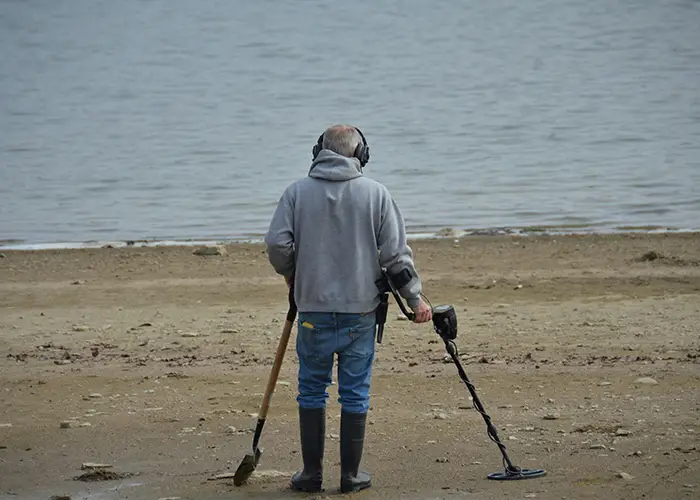
Hearing faint signals beneath ocean waves demands quality audio gear. Wind noise and crashing surf easily drown out subtle target tones from built-in speakers. Quality headphones block background beach sound and highlight deep, weak targets.
Selecting audio accessories requires looking at specific design features:
- Wired waterproof connectors that prevent corrosion from salt spray
- Over-ear padded cups that reduce external surf noise effectively
- Volume adjustments that control high-pitched responses from target hits
- Durable coiled cables that resist tangling during active digging
Clear audio feedback prevents digging unnecessary trash items like pull tabs and iron foil. High-quality sound perception allows hunters to distinguish between deep precious metals and shallow junk items. Custom audio settings help isolate solid target tones over chatter from mineralized wet ground.
Personal Protective Gear
Spending 4 or 5 hours exposed to coastal elements takes a toll on physical endurance. Sun protection remains mandatory for long days on open stretches of white sand. Wide-brim hats, polarized sunglasses, and breathable long-sleeve shirts block UV rays reflected off ocean waters.
Footwear choices dictate how long a search session lasts comfortably. Neoprene water boots protect feet from sharp shells, broken glass, and hidden rocks lurking under soft sand. Sturdy footwear prevents foot strain when stepping hard on sand scoop foot pegs during heavy digging.
A major museum publication mentioned a hunter who uncovered a 2.3-ounce gold nugget after just 20 minutes of searching. Unexpected finds happen fast, but staying comfortable keeps searches going strong through long dry spells. Hydration packs carry fresh drinking water to combat dehydration from salt air exposure.
Pouch Systems and Organization
Managing recovered targets and beach trash requires practical storage systems. Carrying sharp metal debris loose in pockets leads to torn clothing and lost items. Dual-compartment waist pouches separate valuable finds from trash items gathered along the shoreline.
Mesh bottoms on utility pouches allow sand and water to drain automatically as you move. External loops hold pinpointers, digging knives, and water bottles within easy arm reach. Secure zipper pockets prevent precious finds like gold rings or old coins from slipping out during movement.
A historical research blog noted that salvage teams off Florida recovered over 1,000 silver coins and 5 gold escudos from a famous shipwreck site. Historical treasures can surface anywhere along coastal routes, making organized gear valuable for preserving finds. Keeping trash organized supports clean beaches and preserves public goodwill toward detectorists.
Care and Gear Maintenance
Saltwater and sand rank among the most destructive elements for mechanical equipment. Salt spray causes rapid corrosion on metal hardware, battery contacts, and shaft connectors if left untreated. Post-hunt maintenance routines preserve equipment longevity and prevent unexpected failure in the field.
Key cleaning steps prolong gear performance after every beach outing:
- Rinse all equipment thoroughly with fresh tap water immediately after returning home
- Disassemble shaft sections to flush out trapped sand grains from locking cams
- Wipe down display screens using soft microfiber cloths to prevent fine scratches
- Apply silicone lubricant to rubber seals and O-rings on waterproof battery compartments
Proper storage between trips prevents moisture buildup inside electronic enclosures. Storing gear in temperature-controlled spaces stops battery leakage and housing cracks. Consistent care protects financial investments and guarantees equipment remains ready for spontaneous coastal trips.
Heading to the coast with reliable gear transforms casual walks into rewarding outdoor adventures. Equipping yourself with dependable tools keeps every trip safe, efficient, and enjoyable along the shoreline. Proper preparation allows you to focus on the thrill of discovery rather than equipment issues.
Gathering quality tools sets up every search for maximum comfort and success. Pack your gear, check tide schedules, and enjoy your time uncovering hidden coastal history.