

In Japan, choosing where to stay can be as meaningful as deciding what to see. Accommodations across the country offer opportunities to experience local traditions, architecture, food, spirituality and natural landscapes in ways that conventional hotels rarely provide.
Travellers might sleep on tatami mats in a centuries-old inn, share a Buddhist meal at a temple, help with a harvest in the countryside or spend the night surrounded by contemporary art. Other properties reinterpret Japanese hospitality through sustainable architecture, creative design and amenities intended for specific interests.
These distinctive stays can transform an overnight stop into one of the most memorable parts of a journey.
Experience Traditional Japanese Hospitality at a Ryokan
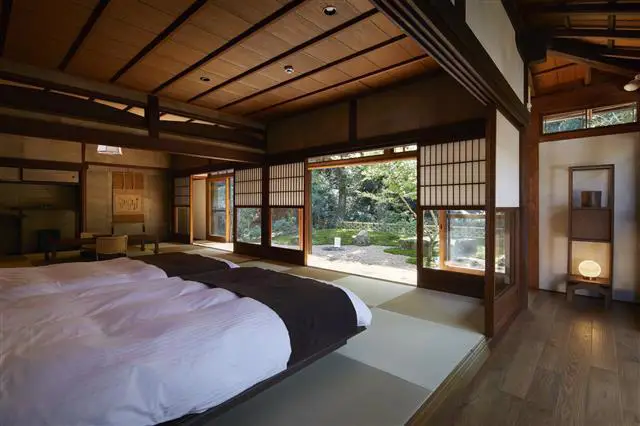
A ryokan is perhaps the best-known traditional accommodation in Japan. Although styles range from simple family-run inns to luxurious hot-spring retreats, most share an emphasis on thoughtful hospitality, seasonal food and a strong sense of place.
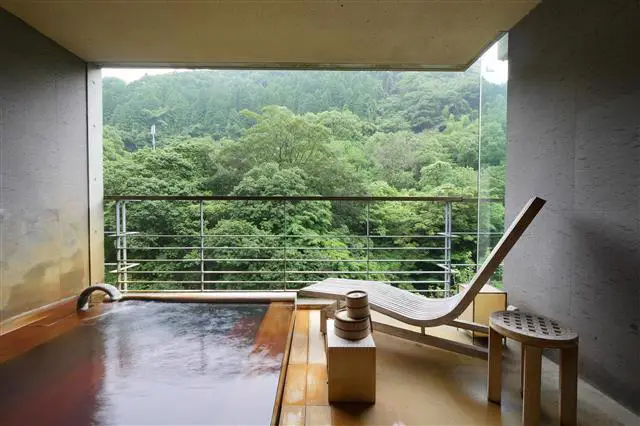
Guest rooms typically feature tatami flooring, low furniture and futon bedding that is prepared in the evening. Visitors may receive a yukata robe to wear around the property, while some ryokan include communal or private onsen baths.
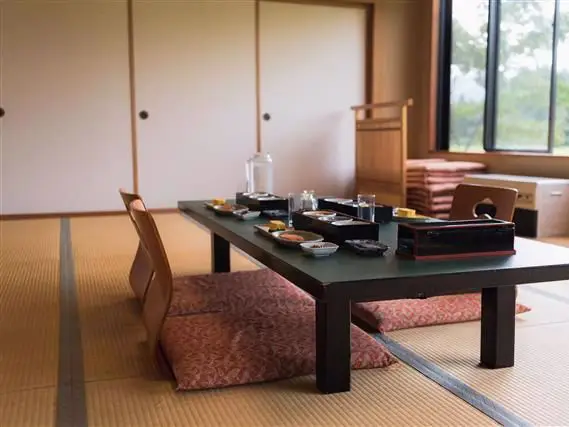
Dinner can be an important part of the experience. Many inns serve kaiseki, a carefully presented multi-course meal that highlights regional ingredients and the changing seasons. Breakfast may also follow a traditional Japanese format, with rice, grilled fish, miso soup and small vegetable dishes.
Travellers unfamiliar with ryokan customs should check the property’s policies before arriving. Shoes are generally removed at the entrance, bathing areas have their own etiquette, and meal times may be more structured than at a conventional hotel.
For more inspiration, DRIFT Travel’s guide to artisanal ryokan experiences in Japan explores several properties where craftsmanship and hospitality come together.
Find Stillness in a Buddhist Temple
Known as shukubō, temple lodging offers travellers a glimpse into the daily rhythms of Buddhist life. Originally created for pilgrims, these accommodations can now be found near important spiritual destinations such as Mount Koya in Wakayama Prefecture.
Rooms are generally simple and peaceful, often with tatami floors and futon bedding. Depending on the temple, guests may be invited to attend morning prayers, practise meditation or participate in the copying of Buddhist sutras.
Meals commonly follow the principles of shōjin ryōri, a plant-based culinary tradition associated with Buddhist temples. Rather than attempting to imitate meat, these dishes celebrate seasonal vegetables, tofu, sesame, mountain plants and other ingredients through careful preparation.
A temple stay should not be approached as a typical resort experience. Bathrooms may be shared, quiet hours are important and morning services can begin early. For travellers willing to follow the customs of their hosts, however, the experience can bring a welcome sense of reflection and stillness to a busy itinerary.
Discover Rural Japan Through Farm Stays and Minshuku
Japan’s countryside offers another side of the country, far removed from the energetic streets of Tokyo and Osaka. Farm stays invite visitors into agricultural communities where daily life continues to follow the seasons.
Experiences vary by region and time of year. Guests may help harvest vegetables, pick fruit, plant rice or learn how local foods are prepared. Home-cooked meals and conversations with hosts can be just as rewarding as the activities themselves.
A minshuku provides a similarly personal experience. These small, usually family-operated guesthouses tend to be less formal than ryokan. Rooms and bathrooms may be shared, while meals are often simple, generous and based on locally available ingredients.
Both options are especially valuable for travellers interested in community-based tourism. They also encourage visitors to spend time in places that receive fewer international tourists, supporting rural businesses while revealing traditions that can be difficult to encounter on a city-focused trip.
Sleep Inside Japanese History at HOSHINOYA Nara Prison
One of Japan’s most remarkable new accommodations occupies an unlikely historic setting.
HOSHINOYA Nara Prison opened on June 25, 2026, inside the former Nara Prison. Built in 1908, the red-brick complex is an Important Cultural Property and the only fully intact survivor of Japan’s Five Great Prisons of the Meiji period.
The redevelopment preserves defining elements of the original architecture while transforming former cell blocks into a luxury hotel. Red-brick walls, high ceilings and long corridors retain a tangible connection to the building’s past, complemented by contemporary interiors.
The neighbouring Nara Prison Museum opened in April 2026. Its exhibitions examine the history of the building, Japan’s correctional system and broader questions surrounding incarceration, discipline and freedom.
Together, the hotel and museum demonstrate how sensitive tourism development can give a historic structure a new purpose without erasing the difficult stories associated with it.
Stay Surrounded by Art at Benesse House
On Naoshima in the Seto Inland Sea, Benesse House blurs the boundary between accommodation and museum.
Designed by renowned Japanese architect Tadao Ando, the complex opened in 1992 around the idea of bringing nature, art and architecture together. Contemporary artworks appear throughout the property, including inside guest rooms, allowing visitors to continue experiencing the collection after the daytime crowds have departed.
Benesse House is divided among several buildings, each with its own relationship to the surrounding landscape. The six-room Oval, reached from the museum by a small monorail, sits above the property with expansive views over the Seto Inland Sea.
Hotel guests also receive extended access to selected art spaces, creating opportunities for quieter encounters with the work. This makes Benesse House especially appealing to travellers who want more than a brief daytime visit to Naoshima.
Readers planning a longer journey through the region can also explore DRIFT Travel’s guide to the hidden gems of Setouchi.
Wake Up in Okinawa’s Forest Canopy
Treeful Treehouse Sustainable Resort brings a very different style of accommodation to the forested landscape of Nago in northern Okinawa.
Built around living trees and elevated above the ground, its treehouses and aero houses immerse guests in subtropical greenery. Large windows and open views keep the forest at the centre of the experience, while available activities may include river trekking, forest bathing, kayaking and treatments near a waterfall.
Sustainability shapes the property’s operations. According to the resort, it avoids fossil fuels on-site, generates solar energy and obtains its remaining electricity through a renewable-energy program. The elevated structures also help sunlight reach the forest floor and reduce interference with plants and wildlife.
Treeful works particularly well as a counterpoint to Okinawa’s beach resorts, introducing visitors to the rivers, forests and biodiversity of the island’s interior.
Check In with Your Bicycle at Hotel Cycle
Onomichi is one of the principal gateways to the Shimanami Kaido, the celebrated cycling route connecting islands across the Seto Inland Sea.
Located inside a renovated waterfront warehouse, Hotel Cycle at ONOMICHI U2 was designed around the needs of cyclists. All 28 rooms have bike hangers, and guests can bring bicycles into their rooms. Rentals are available through the hotel and the Giant Store within the complex.
Bike-friendly ramps simplify arrivals, while laundry facilities and nearby repair services address the practical needs of riders. Cafés, a bakery and waterfront gathering spaces make the restored warehouse an enjoyable base even for visitors who are not planning to complete the entire cycling route.
The property illustrates how a hotel can respond to its destination rather than simply occupy it. Here, cycling culture, industrial heritage and Onomichi’s waterfront setting become part of the stay.
Tips for Booking a Unique Stay in Japan
Many of Japan’s most distinctive accommodations have relatively few rooms, so advance planning is important. Ryokan, temple lodgings and small rural properties may sell out well ahead of cherry blossom season, Golden Week and the peak autumn foliage period.
Before booking, travellers should consider the following:
- Look beyond Tokyo, Kyoto and Osaka. Rural prefectures, mountain communities and smaller coastal cities often provide the most immersive stays.
- Read the property details carefully. Shared bathrooms, fixed meal times and early morning activities may be part of the experience.
- Explain dietary requirements in advance, particularly when meals are included.
- Consider weekday stays for greater availability and a quieter atmosphere.
- Combine different accommodation styles. A city hotel, ryokan and rural guesthouse can create a more varied itinerary.
- Confirm transportation before arrival. Some remote properties offer transfers, while others require a rental car, local bus or taxi.
- Approach local customs with curiosity. Removing shoes, following bathing etiquette and respecting quiet hours are part of staying in a culturally rooted property.
Japan’s most memorable accommodations do more than provide a bed. They connect travellers with the people, traditions, landscapes and creative ideas that define their destinations. Whether the experience unfolds inside a temple, farmhouse, art museum, former prison or forest canopy, the place you stay can become one of the main reasons to travel.