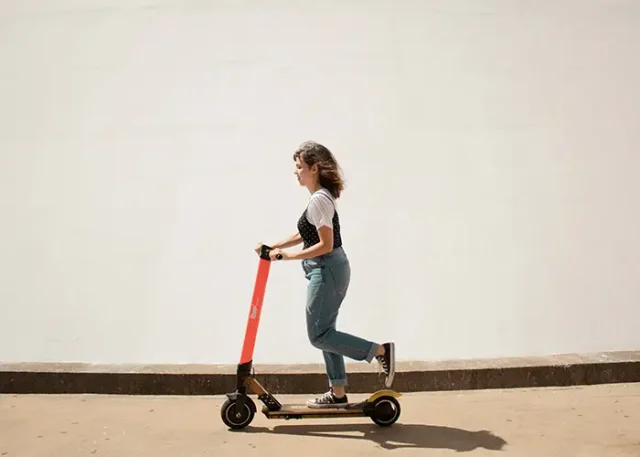
Electric scooters are no longer a fringe trend—they’re part of a broader shift in how cities move. Rising fuel costs, worsening congestion, and environmental pressure are forcing people to reconsider car dependency. Instead of asking whether scooters can fully replace cars, a better question is how far they can go in reducing our reliance on them.
Efficiency in Urban Areas
In dense cities, cars often create more problems than they solve. They take up road space, require parking, and spend most of their time unused. Electric scooters offer a leaner alternative. They are easy to maneuver, require minimal space, and can often cut through traffic faster than cars. For short commutes—typically between 5 and 15 kilometers—they are not just practical, but often more efficient.
Range Is No Longer a Barrier
Range anxiety used to limit scooter adoption. That is no longer the case. A modern long range electric scooter can deliver between 40 to 100 kilometers on a single charge. For the average commuter, this easily covers daily travel needs. As battery technology improves, scooters are becoming a realistic replacement for many routine car trips.
Cost Advantages
Owning a car is expensive. Fuel, maintenance, insurance, and parking quickly add up. Electric scooters dramatically reduce these costs. Charging is inexpensive, maintenance is minimal, and purchase prices are far lower. Over time, switching to a long range electric scooter for daily use can save a substantial amount of money, especially for urban professionals and students.
Environmental Impact
Electric scooters offer clear environmental benefits. They produce zero direct emissions, helping reduce urban air pollution. While electricity production still contributes to carbon emissions, the overall footprint is significantly lower than that of gasoline-powered cars. As more countries shift toward renewable energy, the environmental advantage of scooters will only grow stronger.
Safety and Infrastructure Challenges
Despite their advantages, scooters face limitations—especially in safety. Riders are exposed, and many cities lack proper infrastructure such as dedicated lanes. Poor road conditions, traffic congestion, and lack of regulation can increase accident risks. Until infrastructure catches up, scooters cannot fully replace cars in many regions. An ebike is much safer than an escooter, in this aspect.
Weather and Practical Constraints
Scooters also struggle with weather conditions. Rain, extreme heat, or cold can make riding uncomfortable or unsafe. Cars provide protection and consistency regardless of climate. In addition, scooters have limited carrying capacity. They are ideal for individuals but not suitable for families or transporting goods over longer distances.
A Complement, Not a Complete Replacement
The idea that scooters will completely replace cars is unrealistic. However, they don’t need to. Their real value lies in reducing unnecessary car use. Short trips, daily commutes, and quick errands can easily be handled by scooters, while cars remain useful for long-distance travel and specific needs. Even replacing a portion of car trips can significantly reduce traffic and emissions.
The Road Ahead
Technology is rapidly improving scooter performance. Better batteries, enhanced safety features, and smart connectivity are making them more reliable and user-friendly. At the same time, cities are beginning to invest in micro-mobility infrastructure. As these trends continue, the role of the long range electric scooter will expand, making it an even more practical urban transport option.
Conclusion
Electric scooters are not a complete substitute for cars, but they are a powerful alternative for everyday travel. They are efficient, affordable, and environmentally friendly. With the rise of the long range electric scooter, many people can already replace a significant portion of their car use. The future of mobility isn’t about eliminating cars—it’s about using smarter, more efficient options where they make the most sense.