
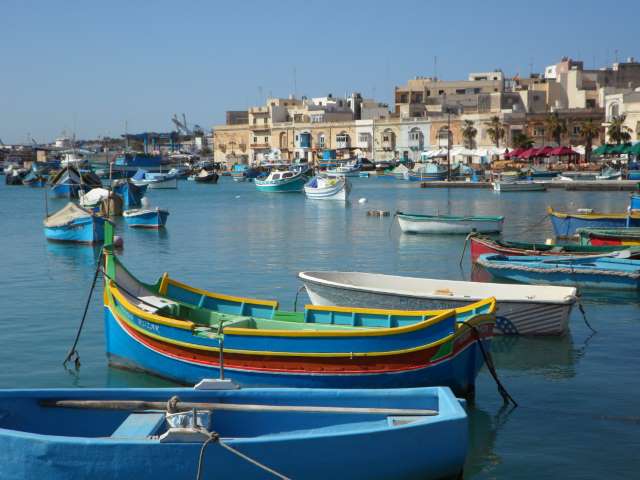
Malta’s headline attractions are undeniably impressive, from Valletta’s grand harbor and Baroque architecture to the Blue Grotto and the beaches of nearby Gozo. Yet some of the island’s most memorable experiences unfold away from the busiest sightseeing routes, along quiet village streets, rocky footpaths and country lanes bordered by honey-colored limestone walls.
For travelers willing to slow down, Mdina offers an especially rewarding base. The former capital sits near the center of Malta, surrounded by Rabat, agricultural valleys and a network of walking routes leading toward Buskett Gardens and the dramatic Dingli Cliffs. Staying within Mdina’s medieval walls also allows visitors to experience the fortified city early in the morning and after day-trippers have departed.
Discovering Malta’s Silent City
Known as the Silent City, Mdina is a compact maze of narrow lanes, shaded courtyards and centuries-old palaces. Cars have limited access within the walls, making the city particularly pleasant to explore on foot.
Rather than rushing between landmarks, allow time to wander without a fixed route. Ornate doorways, colorful enclosed balconies and small religious shrines appear around unexpected corners. The city’s bastions provide sweeping views across Malta’s interior, while its quiet side streets reveal a more intimate side of the historic capital.
St. Paul’s Cathedral dominates the main square, but Mdina’s appeal extends beyond its major monuments. Part of the pleasure comes from sitting in a café, watching residents cross the square or returning to the same lane later in the evening when the limestone buildings glow beneath the streetlights.
The atmosphere changes noticeably after sunset. Once most organized tours have left, Mdina becomes remarkably peaceful, and an evening walk through the illuminated gates can feel like stepping into another century.
Walk from Mdina into Rabat
Just outside Mdina’s walls, Rabat has a livelier, more residential character. The transition between the two communities takes only a few minutes on foot, yet the experience is distinctly different.
Rabat’s streets are filled with neighborhood bakeries, small restaurants, produce shops and traditional townhouses. It is a good place to look for a freshly baked Maltese ftira, a ring-shaped bread commonly filled with ingredients such as tomatoes, tuna, capers, olives and local cheese.
The town also contains some of Malta’s most important archaeological sites. St. Paul’s Catacombs preserve an extensive underground burial complex used during the Punic, Roman and Byzantine periods. The tunnels and chambers offer valuable insight into the communities that once lived around the ancient city of Melite, which encompassed present-day Mdina and Rabat.
Travelers can also visit St. Paul’s Grotto and explore the lanes surrounding the Collegiate Church of St. Paul. However, Rabat is equally enjoyable without a checklist. A leisurely walk through its quieter streets provides glimpses of everyday Maltese life that are easily missed on a brief coach tour.
Follow the Countryside Toward Buskett Gardens
Beyond Rabat, Malta gradually opens into a landscape of cultivated fields, limestone farmhouses and dry-stone walls. Although the island is often associated with rocky coastlines and densely built towns, its interior contains peaceful pockets of countryside that are particularly inviting during the cooler months.
Buskett Gardens, located in the fertile Wied il-Luq Valley, is one of Malta’s most extensive woodland areas. Groves of citrus, olive and pine trees provide welcome shade, while paths wind through an environment that feels markedly greener than much of the surrounding island.
The gardens can be explored independently, although travelers planning a longer countryside walk should use a reliable route map or arrange a knowledgeable local guide. Some paths are uneven or poorly marked, and distances can feel longer under the Mediterranean sun.
Buskett is especially pleasant in spring, autumn and winter. In summer, walkers should begin early in the morning, carry more water than they expect to need and avoid exposed trails during the hottest part of the day.
Continue to the Dingli Cliffs
One of the most rewarding walking areas near Mdina lies along Malta’s western coast. Rising more than 250 meters above the Mediterranean, the Dingli Cliffs form the island’s highest natural point and offer expansive views across the sea.
Several routes connect the countryside around Buskett with the cliff area. Depending on the chosen trail, walkers may pass terraced fields, rural chapels and traditional farm buildings before reaching the coast. The small Chapel of St. Mary Magdalene is among the area’s recognizable landmarks.
The landscape here feels wild and spacious, particularly compared with Malta’s busier resort communities. On clear days, the uninhabited islet of Filfla can be seen offshore. Late afternoon is especially atmospheric, as the lowering sun warms the cliffs and surrounding farmland.
Visitors should remain on established paths and keep well back from unprotected cliff edges. Sturdy footwear is important, as the terrain can include loose stones, rocky tracks and uneven surfaces. Travelers who do not want to complete a full hike can arrange transportation to the Dingli area and enjoy a shorter coastal walk.
Experience Village Life Beyond the Major Attractions
Walking through Malta’s interior introduces visitors to details that are difficult to appreciate from a tour bus. These might include a village festa banner stretched above a street, residents talking outside a bakery or bells ringing from a parish church.
Malta’s festas generally take place between late spring and early autumn, when communities celebrate their patron saints with processions, decorations, music and fireworks. Travelers staying outside the main resort districts may encounter preparations even before the formal festivities begin.
Food also provides a direct connection to local life. Along with ftira, look for pastizzi filled with ricotta or peas, seasonal produce, Maltese sausage and dishes influenced by the island’s Mediterranean, Arab, Sicilian and British heritage. Small family-run restaurants and village cafés can be as memorable as more formal dining rooms.
The goal is not necessarily to find places untouched by tourism. On a small and well-traveled island, that is increasingly difficult. Instead, it is about creating enough time to notice the communities and landscapes that exist between Malta’s famous attractions.
Where to Stay in Mdina
Located inside the city’s fortified walls, The Xara Palace Relais & Châteaux occupies a converted 17th-century palazzo overlooking the Maltese countryside. Its 17 individually designed rooms and suites combine antique furnishings and historic architectural details with the intimacy of a small boutique hotel.
The location makes it possible to explore Mdina before breakfast, return for a break during the warmest hours and head out again after the daytime crowds have diminished. Rabat is within easy walking distance, while Buskett Gardens and Dingli Cliffs can be reached by car, taxi or a planned countryside hike.
The hotel is also home to de Mondion, which holds one star in the 2026 Michelin Guide. Set on the upper floor of the palace, the restaurant serves modern Mediterranean cuisine influenced by Maltese ingredients and culinary traditions. Its terrace overlooks the island, providing an elegant conclusion to a day spent exploring on foot.
Planning a Walking Escape in Malta
Spring and autumn generally offer the most comfortable conditions for longer walks, although winter can also be appealing for travelers prepared for occasional rain and wind. Summer hiking is best limited to early mornings and evenings.
Bring supportive shoes, sun protection, a refillable water bottle and an offline map. Malta’s countryside trails do not always have consistent signage, so guided walks can be worthwhile for visitors interested in the island’s plants, geology and rural history.
Most importantly, leave room in the itinerary for unplanned discoveries. Malta’s best-known landmarks deserve attention, but the island becomes more personal when travelers slow down, follow a quiet lane and spend time in the villages and landscapes beyond the usual sightseeing circuit.