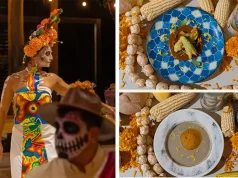
Día de los Muertos is observed throughout Mexico, but it does not look the same everywhere. In Oaxaca, families gather in candlelit cemeteries and neighborhood comparsas continue into the early morning. Along the Riviera Maya, major cultural festivals fill parks and resort waterways with altars, music and theatrical performances. In Puerto Vallarta, monumental calaveras transform the Malecón into an open-air gallery.
Although frequently translated as Day of the Dead, the observance is not a Mexican version of Halloween. It is a period of remembrance when families welcome the spirits of deceased loved ones with ofrendas, photographs, candles, marigolds, favorite foods and personal mementos.
Celebrations generally build during the final days of October and culminate on November 1 and 2. November 1 traditionally honors deceased children, while November 2 remembers adults. Travelers interested in experiencing Día de los Muertos in Mexico in 2026 will find everything from intimate community traditions to large, visitor-friendly festivals.
Mayakoba: A Celebration Along the Waterways

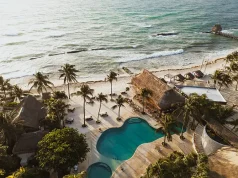
On the Riviera Maya, Mayakoba will hold destination-wide Día de los Muertos programming from October 29 to November 1, 2026.
The resort community encompasses Alila Mayakoba, Banyan Tree Mayakoba, Fairmont Mayakoba and Rosewood Mayakoba. Each property will present its own interpretation through altars, candle-lighting ceremonies, music, dance, culinary events and hands-on workshops.
The centerpiece is a nighttime procession through Mayakoba’s canals. From October 30 to November 1, electric boats will carry guests past floating art installations and live performances inspired by Zunu, a hummingbird from local folklore that serves as a guide between worlds.
Other activities are expected to include pan de muerto baking, Mexican cooking classes, mixology workshops, wellness rituals and family programming. Banyan Tree Mayakoba will pair cuisine with Maya storytelling during its Dinner of Legends, while Rosewood Mayakoba will incorporate Zunu-inspired drinks at Zapote Bar.
The canal experience is complimentary for registered Mayakoba guests but requires a concierge reservation. Local visitors can also attend when they have a same-day reservation for an eligible dining, spa or resort service. Current access details are available through the official Mayakoba Día de los Muertos page.
This is one of the more polished and resort-oriented options, making it suitable for travelers who want a cultural introduction combined with a Riviera Maya vacation.
Xcaret: Festival of Life and Death Traditions
Xcaret Park will host the 20th edition of its Festival of Life and Death Traditions from October 30 to November 2, 2026.
The four-day event is among the largest visitor-oriented Día de los Muertos celebrations in the Mexican Caribbean. Theater, dance, concerts, exhibitions, traditional altars, regional foods and family workshops take place throughout the park.
Guanajuato is the guest state for 2026, bringing its music, folk art, cuisine and regional customs to the program. Visitors can expect mariachi, estudiantina music, sones, huapango arribeño and traditional sounds from the Yucatán Peninsula. A gala concert featuring Pandora and Flans is scheduled for October 31.
Food and craft activities offer another way to explore the traditions behind the holiday. Programming includes demonstrations and workshops focused on ceremonial tortillas, traditional salsas, altar decorations and regional recipes preserved by generations of Mexican cooks.
Unlike community cemetery observances, Xcaret is a ticketed cultural festival developed specifically to accommodate large numbers of visitors. It is therefore one of the easiest choices for families and first-time travelers who want scheduled performances and interpretive programming in one location.
The developing schedule and admission information can be found on the Festival of Life and Death Traditions website.
Puerto Vallarta and Jalisco: Monumental Art and Public Celebrations

Puerto Vallarta gives Día de los Muertos a distinctive Pacific Coast setting. During the celebration, the Malecón becomes an outdoor exhibition of altars and oversized calaveras created by local artists, businesses and community groups.
The city’s most recognizable installation is its monumental Catrina. Recent editions have featured a figure standing more than 27 meters tall near the Malecón lighthouse, recognized by Guinness World Records as the tallest Calavera Catrina.
Public celebrations typically include a downtown parade, live music, folkloric performances and altars honoring deceased relatives and prominent community members. The displays extend through the historic center, with marigolds, papel picado and seasonal foods appearing across the city.
Elsewhere in Jalisco, San Pedro Tlaquepaque near Guadalajara celebrates with community altars, art installations and cultural programming. The Feria del Cartón in Guadalajara is another longstanding seasonal tradition, bringing together vendors selling papier-mâché figures, masks, skeletons and decorations used for Día de los Muertos.
Lakeside communities such as Ajijic and Chapala generally offer a smaller-scale atmosphere with locally constructed ofrendas, sawdust carpets, markets, music and processions.
Puerto Vallarta’s complete 2026 schedule had not been released at the time of writing. Travelers should monitor the official Puerto Vallarta tourism website for confirmed dates, parade routes and road closures.
Oaxaca: Candlelit Cemeteries and Community Processions
Oaxaca offers one of Mexico’s most deeply rooted Día de los Muertos experiences. Preparations begin well before November as markets fill with marigolds, candles, chocolate, mole ingredients, sugar figures and the region’s distinctive pan de muerto.
In Oaxaca City, altars appear in homes, hotels, restaurants and public spaces. Comparsas move through neighborhoods with brass bands, costumed dancers, giant mojigangas and participants painted as calaveras.
Some of the most significant traditions take place in communities outside the city.
In Santa Cruz Xoxocotlán, families gather at Panteón Viejo and Panteón Nuevo to decorate graves and spend time with deceased relatives. Santa María Atzompa is known for illuminating its cemetery with candles, while San Agustín Etla’s muerteada brings costumed performers, musicians and dancers into the streets through the night.
These are living community and family traditions rather than performances staged solely for tourism. Visitors should approach them carefully. Joining an organized tour led by a knowledgeable local guide can provide cultural context, transportation and guidance about where visitors are welcome.
Cemetery access and procession schedules can change from year to year and may be announced only shortly before the holiday. Travelers should confirm details locally rather than assuming every cemetery or community event is open to outside visitors.
Oaxaca is a particularly rewarding choice for travelers willing to spend several days exploring the food, markets, artisan traditions and smaller communities surrounding the capital.
Tecate: A Community Celebration in Baja California

Tecate provides a more intimate alternative to Mexico’s larger festival destinations. Surrounded by the mountains of northern Baja California, the border community is Mexico’s only Pueblo Mágico located directly on the United States border.
The city’s 26th Festival de Día de Muertos is scheduled to run from October 23 through November 1, 2026. Programming is expected to include a traditional procession, exhibitions of altars and alebrijes, Catrinas and Catrines, regional foods and live performances.
A major community festival will take place at Parque del Profesor on October 31. Organized with Fundación La Puerta, it continues a local tradition that has been held for more than two decades.
Compared with highly produced destination events, Tecate’s celebration remains closely connected to local families, artists and community organizations. Its proximity to the border also makes it practical for travelers combining Baja California with Southern California.
How to Experience Día de los Muertos Respectfully
Día de los Muertos may be visually spectacular, but its purpose is remembrance. The altars, photographs and cemetery gatherings frequently involve real families honoring people they loved.
Travelers can participate more respectfully by following a few basic principles:
- Ask permission before photographing people, graves or private altars.
- Never touch or rearrange objects placed on an ofrenda.
- Keep noise to a minimum in cemeteries unless a community procession or musical performance is underway.
- Avoid treating traditional clothing or calavera makeup as a costume unless participating in an organized event where visitors are invited to do so.
- Use local guides for village and cemetery visits.
- Support community artisans by purchasing locally made crafts directly from their creators.
- Follow instructions concerning restricted streets, cemetery access and photography.
It is also wise to plan early. Hotels in Oaxaca, the Riviera Maya and Puerto Vallarta can fill quickly around the holiday, while late-night celebrations may require advance transportation arrangements.
The best destination depends on the experience a traveler wants. Xcaret and Mayakoba offer structured programming that is easy for visitors to navigate. Puerto Vallarta combines public art with a lively coastal setting. Tecate offers a smaller community celebration, while Oaxaca provides an opportunity to encounter traditions that remain closely tied to families, neighborhoods and ancestral remembrance.
Wherever the journey leads, Día de los Muertos is most meaningful when approached not simply as a colorful festival, but as a living expression of memory, identity and connection.