
Sports travel once centered on getting to a stadium for a particular game, then heading home after the final whistle. Today, you can build an entire trip around the event, so a weekend might include a famous venue, local restaurants, cultural attractions and time with fellow supporters. Major tournaments demonstrate this shift clearly, as the 2026 FIFA World Cup is being staged across 16 host cities in the United States, Canada and Mexico.
You can also see the growth in wider travel data. YouGov’s 2026 Sport Tourism Report found that 39% of sport-event travelers would travel for major single-sport international events such as the FIFA World Cup or Rugby World Cup. That finding suggests that a major fixture can become a genuine travel motivation, so the match becomes one part of a much broader experience that begins during planning and continues after you leave the stadium.
Planning the trip around the game
Your sporting trip can start weeks or months before you board a plane, as you compare fixtures, research neighborhoods, check transportation and decide what else you want to experience. Digital sports services can become part of that preparation, so you might follow team news during breakfast, check a venue guide at lunch and compare travel options later in the evening. The event gradually becomes part of your everyday planning.
Today, Bovada, a Costa Rica-based online sportsbook and casino established in 2011, illustrates another part of this connected sports experience. The platform offers betting across major U.S. sports leagues and horse racing, alongside slots, table games and blackjack. It also offers live online poker tournaments involving players from different countries, so sports fans can find several forms of digital entertainment within one broader sports-focused routine.
When the stadium becomes a destination
For many fans, reaching a famous stadium can feel like an achievement in itself, so the venue becomes part of the reason for traveling. You might visit a historic ground, explore its museum or simply walk around the surrounding streets before kickoff. That experience can give you a stronger connection with the club or sport, particularly when the venue has a long history that you have previously encountered through television.
Large tournaments can amplify this effect because supporters often stay for several days around a fixture. Allianz estimated that the 2026 World Cup could attract about 6.5 million attendees, including around 2.6 million international visitors. That scale creates opportunities for hotels, restaurants, retailers and attractions, so the economic effect can spread well beyond the stadium itself and into the wider destination.
Your smartphone becomes part of the experience
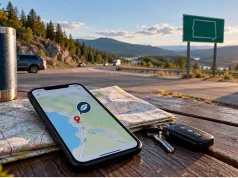
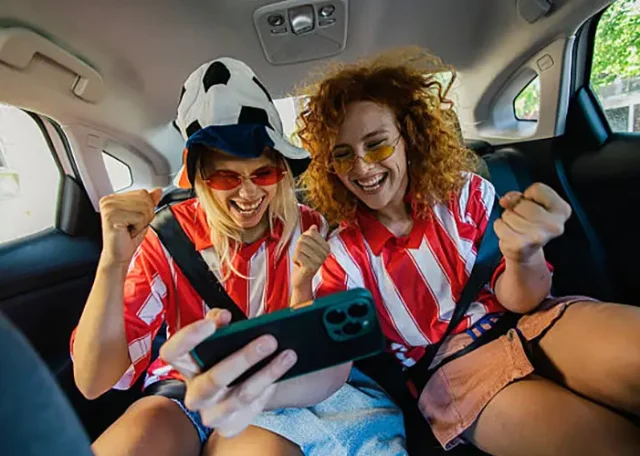
Once you arrive, your smartphone can become a practical companion throughout the day, so one device can hold your ticket, map your route and provide match information. Deloitte found that 82% of sports fans use their phones in some way at live professional sporting events. The research also found that 58% want access to statistics, analysis and replays that they can receive at home.
That expectation changes the way you experience a live event, so the physical atmosphere now exists alongside a constant stream of digital information. You might check a lineup before entering, look up a player statistic during halftime or find your route back to the hotel after the match. Reliable connectivity therefore matters, as Deloitte found that almost 40% of surveyed fans had difficulty using their phones as they wanted at sporting events.
Sports can open the door to local culture
A sporting trip can also introduce you to a destination in a particularly personal way, as supporters often gather around local traditions before and after a game. You might discover a neighborhood restaurant through a fan recommendation, visit a pub where supporters meet or explore a district that you had never considered visiting. The match provides the reason for the trip, so local experiences can become some of its most memorable parts.
Data from Nielsen shows how broad this appetite can be among sports audiences. Its research found that 71% of U.S. World Cup fans were interested in attending music concerts, while 69% were interested in arts and culture. Those figures were higher than the corresponding figures for the general U.S. population, so major sporting events can attract travelers who are also looking for cultural experiences beyond competition.
Following the fixture calendar
A fixture calendar can influence your travel choices in surprisingly practical ways, so one game can sometimes become the starting point for a longer journey. You might attend a match in one city, take a train to another destination and then continue to a second fixture. International tournaments make this approach particularly appealing, as multiple host cities create opportunities to combine sport with sightseeing across several destinations.
Destinations also have reasons to make the wider trip attractive, so stadium districts can connect with fan festivals, public viewing areas, museums and restaurants. You therefore have more reasons to stay after arriving for the game. A successful sports destination can give you a clear reason to book the trip, then provide enough variety to make the surrounding days feel worthwhile.
The experience continues after the final whistle
Your sporting journey does not necessarily finish when the game ends, as your phone can preserve photographs, saved locations, team updates and recommendations for future trips. You might leave a stadium thinking about the result, then find yourself remembering a restaurant, a conversation with another supporter or an unfamiliar part of the city that you discovered earlier that day.
That combination explains why sports travel has become so compelling. You can start with a fixture, use digital tools to plan the journey and then experience the destination through the event itself. The smartphone connects those stages, while the city adds depth to the visit. As major competitions continue to attract international audiences, sports can give you a reason to travel, explore and experience a place with a stronger sense of purpose.