

Lisbon carries the weight of centuries within its sun-drenched stones and narrow passages. Most visitors see the bright tiles and yellow trams without noticing the ancient Islamic foundations.
Walking through the oldest districts reveals a history that predates the Portuguese kingdom itself. The silent echoes of Al-Ushbuna still linger for those who know exactly where to look. Here is how travelers can uncover the Moorish history in the alleys of Lisbon.
The Growth of the Alfama District
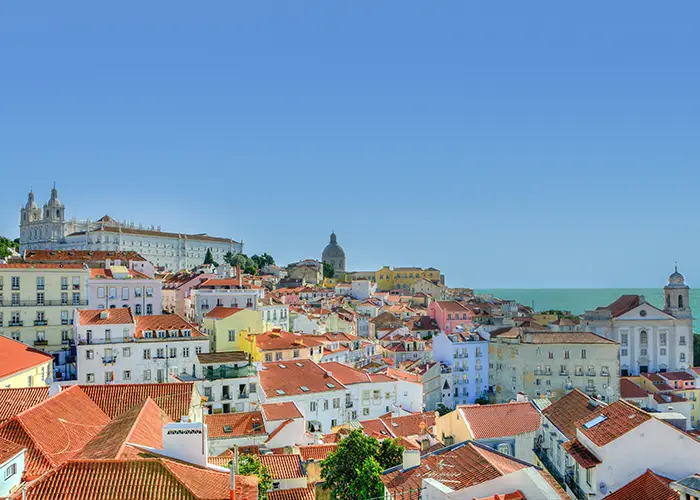
The oldest neighborhoods of the city do not follow a grid since they grew organically during the Islamic period. This style of urban planning favored narrow, shaded corridors that protected residents from the intense heat of the sun.
One can spend hours wandering through these narrow gaps without ever finding the same corner twice. The houses lean toward each other as if they are sharing long-held secrets from the past. You can see the influence of the Moors in the way the windows are positioned to maintain privacy. The street layout remains tight and confusing for the purpose of defense and climate control.
Finding Context Through Walking Tours
The vertical nature of the landscape requires a significant amount of physical effort from every person. Exploring these steep inclines often feels like moving through a giant puzzle of stone and mortar. Participating in walking tours in Lisbon provides the context needed to separate historical fact from romantic legend.
Local guides explain how the district of Mouraria got its name after the Christian conquest. This part of the city feels different from the grand squares of the Baixa district. The streets here are thinner and the air feels older as you climb higher.
Finding your way through these slopes is much easier when you have a professional guide to show the path. They know the history of the families who have lived in these white-washed houses for decades.
Tracing the Moorish Walls and Castles
The Castelo de São Jorge dominates the skyline and serves as a reminder of the military power of the Moors. Most of the structure was rebuilt over time, yet the base of the walls remains original. GetExperience connects curious people with local experts who understand the subtle shifts in the masonry of the city.
They focus on providing high-quality encounters with the past that do not feel like standard tourist activities. The view from the castle ramparts shows the strategic value of the location for the early defenders. You can see the entire river valley and the approach from the Atlantic Ocean from this height.
The walking tours help visitors identify the original stone layers of the fortifications. The guides explain how the alcáçova functioned as both a palace and a military barracks for the ruling class. Seeing the transition from Islamic architecture to Gothic styles is easier when someone points out the specific joints in the stone.
The Mouraria District and Fado’s Roots
Mouraria is the most multicultural part of the city, and it holds a very special energy. It is the place where the Moors were forced to live after the year eleven forty-seven. This isolation led to the development of a unique culture that combined different musical and culinary traditions.
Many people believe that Fado music started in these narrow streets as a form of mourning. The melancholic tones and the focus on fate seem to have deep roots in the songs of North Africa. You can hear the music drifting out of small taverns as the sun begins to set.
Exploring the Streets of Mouraria
The streets in Mouraria are often decorated with photographs of the people who live there. This neighborhood has stayed true to its working-class roots despite the changes in the rest of the city. It is a place where you can find authentic food that has not been changed to suit the tastes of tourists.
The scent of spices and grilled fish fills the air in the late afternoon. Walking here feels like stepping back in time to a much simpler version of European life.
The Influence of the Moors on Ceramic Art
The word for tile in Portugal comes directly from the Arabic word for polished stone. You see these tiles on almost every building in the old part of the city. The early designs were geometric and did not show human figures according to Islamic tradition.
These patterns were meant to represent the infinite nature of the universe and the beauty of mathematics. Over time, the Portuguese added their own colors and stories to these ceramic squares.
- Geometric patterns often feature interlocking stars and shapes that repeat across the entire wall.
- The use of bright blues and yellows became common after the trade with the East began.
- Tiles served a functional purpose by protecting the exterior of the houses from the salty sea air.
The Culinary Connection to Al-Andalus
The influence of the Moors extends into the kitchen and the local markets of the city. They introduced many of the fruits and nuts that are now considered staples of the Portuguese diet. You can find almonds and figs in many of the traditional sweets sold in the bakeries.
The techniques for managing water and growing crops in dry soil were also brought by the Islamic settlers. This knowledge allowed the region to prosper even during years when the rain did not fall.
- Coriander is an herb that is used much more in Lisbon than in the northern parts of the country.
- Rice was first cultivated in the Iberian Peninsula by the Moors, who knew how to irrigate the fields.
- The tradition of eating grilled sardines has remained a favorite part of the summer festivals for centuries.
Final Verdict
Finding the Moorish heart of the city requires patience and a willingness to climb the steep hills. The rewards are found in the small details and the quiet stories of the older residents. These alleys offer a bridge to a past that continues to define the local identity. Lisbon remains a place where many different cultures have learned to live together for over a thousand years. For those who want to explore Lisbon, the best choice is to choose GetExperience.