

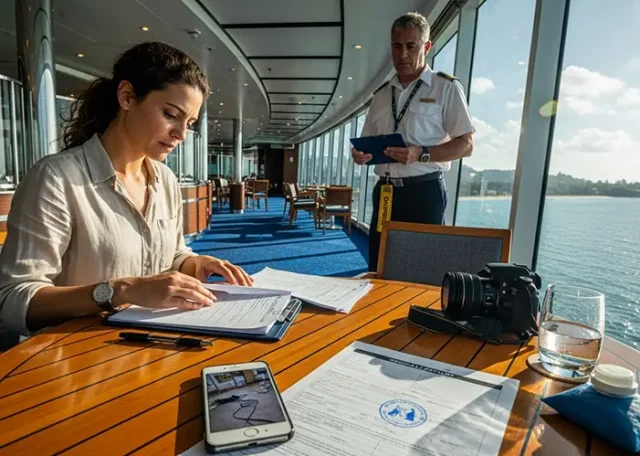
An accident during a long-awaited cruise vacation can turn your dream trip into a nightmare. Whether it’s a slip on a wet deck or a cruise ship injury during a shore excursion, the moments immediately following the incident are confusing and stressful. You’re in an unfamiliar place, dealing with an injury, and unsure of what to do next.
Don’t worry. This guide aims to help you navigate through the confusion. I’ll walk you through a clear, step-by-step process for documenting everything properly. Following these instructions is the single most important thing you can do to protect your health and your right to potential compensation.
Why Documenting a Cruise Accident Is So Critical
Before we get to the “how,” it’s essential to understand the “why.” Accidents at sea aren’t treated like incidents on land. Cruise lines operate under a complex set of rules called maritime law, and your passenger ticket is a contract filled with fine print that often benefits the cruise line, not you.
Recent news highlights how cruise lines can interpret vague legal definitions to their advantage, sometimes leading to discrepancies in how incidents are reported. For instance, questions have been raised about Carnival’s crime reporting. Independent sources have identified more incidents than were officially disclosed to authorities—a gap that raises concerns about transparency and accountability. This lack of transparency means the documentation you create yourself is your most powerful tool. Without it, it can become your word against a multi-billion-dollar corporation.
Common Dangers on Cruises and Excursions
While cruise lines promote safety, accidents are unfortunately common. Overboard incidents and illness outbreaks often make headlines, but the most frequent injuries come from more ordinary situations. These incidents serve as a stark reminder of the unpredictable nature of ocean travel, where even simple events can escalate quickly.
Studies show that slips, trips, and falls are a leading cause of passenger injuries, especially during shore excursions. In fact, nearly a third of all passenger injuries happen off the ship, often on streets or buses in port towns. Injuries can range from open wounds and soft tissue damage to more severe fractures and dislocations, which are more likely to happen during an excursion than on the ship itself.
Your Step-by-Step Checklist for Documenting an Accident
If you’ve been injured, your priority is your health. While having some basic first-aid knowledge is always helpful in an emergency, your next step is to become your own best advocate. Follow this checklist precisely to build a strong record of what happened.
- Promptly Seek Medical Attention Onboard. Before anything else, visit the ship’s medical center. Even if you feel your injury is minor, some issues aren’t immediately apparent. This creates an official medical record of the injury and its timing. Request a copy of the medical report before you leave the clinic. This is also important if you find yourself needing medical assistance in a foreign port later on.
- Report the Incident to Ship Authorities. Notify Guest Services or the ship’s security department about the accident as soon as possible. Be clear and factual about what happened. Do not minimize your injuries or take responsibility for the incident. Ask for a copy of the official incident report they create. Note the names and titles of every crew member you speak with.
- Make a Comprehensive Record of the Scene. Evidence can disappear quickly as the crew cleans up or the ship moves on. Use your phone to:
- Take Photos and Videos: Capture the exact location of the accident from multiple angles. Photograph the hazard that caused it (e.g., a wet spot, broken chair, loose wire).
- Document Your Injuries: Take clear pictures of your injuries immediately after the incident and continue to photograph them over the next few days as bruising or swelling develops.
- Preserve Physical Evidence: If possible, keep any relevant items, like torn clothing or broken equipment.
- Collect Witness Information. If anyone saw what happened, their account is incredibly valuable. Request their complete name, contact number, and email address. Explain that you are just documenting the incident and would appreciate their help. Do not rely on the cruise line to collect witness statements for you.
- Write Everything Down. As soon as you can, write a detailed account of the incident in your own words. Include the date, time, location, weather conditions, what you were doing, how the accident occurred, and any conversations you had with crew members. A detailed, timely narrative is more credible than a memory recalled weeks later.
Typical Errors That Might Jeopardize Your Claim
What you don’t do can be just as critical as what you do. In the confusing aftermath of an injury, many passengers make simple mistakes that can seriously hurt their ability to seek compensation later. Being aware of these common pitfalls can make all the difference in protecting your rights.
| Smart Moves to Protect Yourself | Common Mistakes to Avoid |
|---|---|
| Reporting the incident immediately to the ship’s crew. | Waiting until you get home to report the injury. |
| Accepting onboard medical evaluation, even for minor pain. | Saying “I’m fine” or refusing to see the ship’s doctor. |
| Taking your own photos/videos of the hazard and injuries. | Assuming the cruise line’s report and photos are sufficient. |
| Getting contact information from independent witnesses. | Thinking the cruise line will gather unbiased witness statements. |
| Keeping all receipts for expenses related to the injury. | Not tracking out-of-pocket costs for medicine or transport. |
| Speaking to a specialized attorney before accepting any offers. | Accepting an immediate offer like a free dinner or cabin upgrade. |
Understanding Your Legal Rights and Tight Deadlines
After you’ve documented the incident, you need to understand the legal landscape. The back of your cruise ticket contains critical contract terms that dictate your rights and the procedures you must follow. These terms are often complex and easy to overlook when you are planning your vacation.
The Strict One-Year Deadline of Maritime Law
For most cruise lines, passengers are required to file a formal lawsuit for injuries within one year of the incident date. This is a rigid deadline known as a statute of limitations, and it’s much shorter than the multi-year deadlines for most personal injury cases on land. If you fail to file within this timeframe, you forfeit your ability to bring a lawsuit, regardless of how strong your claim may be.
Why Specialized Legal Counsel Is Non-Negotiable
Navigating the complexities of maritime law, ticket contracts, and international jurisdictions is not something you should do alone. The cruise industry has powerful legal teams dedicated to minimizing payouts for any shore excursion accident. To level the playing field, it is crucial to consult with a legal expert who focuses specifically on these types of cases. An experienced cruise ship shore excursion accident attorney can review your documentation, explain your rights, and ensure all legal deadlines are met, allowing you to focus on your recovery.
Taking Control After an Onboard Accident
An injury at sea can leave you feeling powerless, but it doesn’t have to define your experience. By immediately and thoroughly documenting what happened, you take back control. The evidence you gather—from photos and medical reports to witness contacts—forms the foundation for protecting your rights. Armed with this guide and the right professional support, you are now fully equipped to handle the aftermath with confidence and ensure you’re treated fairly.