

Ride-sharing can be a solid option when you need a lift and do not want to drive. It works best when you treat it like a small travel plan, not a casual hop. A few small habits can lower stress and cut down on surprises. The goal is steady, repeatable choices that keep you aware without feeling tense.
Pick the right ride for the moment
A short ride across town is different from a late-night ride after a party. Match the ride type to the moment, and do not feel pushed into the cheapest option. If you feel rushed or distracted, pause and reset before you request a car.
Group rides can reduce risk since more eyes notice small details. If you are traveling alone at night, aim for well-lit pickup spots and busier streets. If your phone battery is low, top up first or carry a small power bank. Add a clear pickup note, like a store sign or corner, so the driver does not circle in a sketchy spot.
Confirm the trip details before you step in
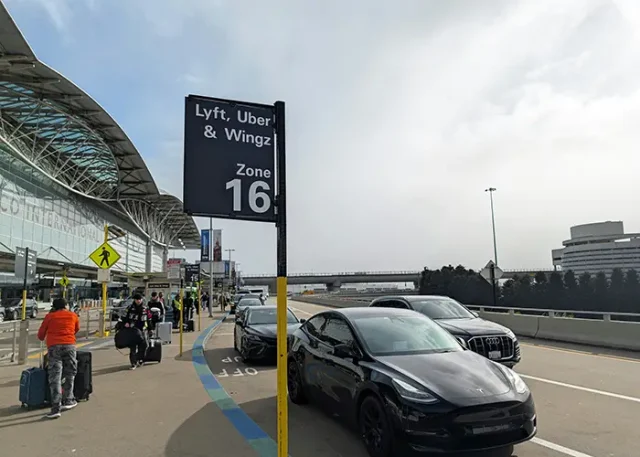
Before the car arrives, look at the app screen and focus on the basics: vehicle, plate, and driver photo. A quick scan helps you catch mix-ups like the same model pulling up in a crowded curb lane. Take a breath, slow down, and treat verification like crossing the street.
Crowded pickup zones create honest mistakes, even in daylight. In that rush, small mix-ups turn into rideshare dangers fast, so verification matters more than speed. Ask the driver who they are picking up and listen for your name, not your destination.
If anything does not line up, step back and cancel from the app. Move a few steps away from the curb before you request again, so you are not arguing through a window. When you do get in, lock in your seatbelt before you settle in.
Share your trip and set a check-in plan
Tell one person where you are going and when you expect to arrive. Pick a simple check-in rule, like sending a text when you get in and another when you get out. It is a low-effort habit that keeps someone in the loop.
RAINN recommends confirming the car and driver details before entering, plus using built-in sharing tools when they are available. That advice pairs well with a short checklist you can run in seconds:
- Share the trip link with 1 trusted contact.
- Keep your phone unlocked for the first minute of the ride.
- Put your destination in the app, not out loud on the sidewalk.
- If you feel uneasy, ask to end the ride at a safe public place.
If you take rides often, make a default plan with the same contact so it becomes automatic. A routine beats improvising when you are tired. Save a short message template in your notes so you can send it quickly.
Sit smart and keep personal items close
Where you sit changes what you can see and how quickly you can exit. The back seat on the passenger side gives you a wider view of the road and keeps a distance from the driver. Keep a hand on your bag, and do not place valuables on the seat where they can slide.
Small things help you stay oriented. Keep one ear free if you wear headphones, and glance at the route now and then. If you notice a wrong turn, ask about it in a calm, neutral way. Keep your keys and phone in the same pocket every ride, so you do not fumble when you step out.
Use in-app safety tools like PIN checks
Many apps offer extra steps that confirm you are in the right car. A San Francisco ABC7 report described PIN verification, where a rider uses a 4-digit code so the trip starts only after the driver enters it. That kind of friction can be helpful in busy pickup zones.
Look for other tools in your app menu before you need them. Some services let you quickly contact support, trigger an emergency button, or share a live location. Set up these features when you are calm, not when you feel pressed. Turn on the tools you like before nights out, so you are not digging through menus at the curb.
Talk to the driver, but keep boundaries
Friendly talk can make a ride feel normal, and that can help you relax. Keep the conversation light, and avoid details that reveal where you live, where you work, or your daily routine. If a topic feels personal, pivot to something neutral like music or traffic.
You can set boundaries without making it awkward. Short answers, a smile, and a return to your phone can signal you are done chatting. If the driver keeps pushing, switch to quiet mode, or focus on the app and route. Use in-app messaging when possible, and keep your phone number private.
Watch the road risk, not just personal safety
Safety is not only about stranger danger, but it is also about cars and streets. A University of Illinois Chicago report on ride-share crash research noted that 1 in 3 ride-share drivers surveyed reported being in a crash while working. That does not mean every trip is risky, and it supports staying alert.
If the ride feels fast or aggressive, speak up early. Ask for a slower pace or a different route through quieter streets. If the driver seems tired, distracted, or glued to messages, end the trip in a safe spot and request another ride. To stay safe, pick pickup points that avoid high-speed merges when you can, since the first minute on a busy road can feel chaotic.
Know what to do when you want to end the ride
Trust your judgment when something feels off, even when you cannot name the reason. The safest exit is usually a public place with people, lights, and clear sightlines. Keep your tone steady and focus on the next step, not an argument.
Here are options that keep control in your hands:
- Ask to stop at a gas station, hotel lobby, or busy store entrance.
- Use the app to end the trip and request help through support tools.
- Call a friend and stay on the line until you are safe indoors.
- If you feel in immediate danger, contact local emergency services.
After you are safe, write down details like time, location, and driver name, then report through the app. Clear notes help support teams respond faster. It can feel draining, so take a minute to breathe once you are home.

Ride-sharing is a tool, and tools work best with a routine. Build a short personal checklist, then follow it the same way each time. Consistency beats perfect judgment in the moment.