Travelling through Europe often means encountering very different landscapes within a relatively short distance. Mediterranean coastlines, Renaissance cities, and riverfront capitals all reveal how geography and history shape daily life. What stands out most isn’t just the famous landmarks but how neighbourhoods, streets, and local markets still function much as they have for generations.
Moving between these destinations also shows how varied the continent really is. You might start in a coastal town where fishing boats still leave the harbour each morning, then end up in a city where Gothic towers dominate the skyline.
Tailored Adventures and Hidden Gems Across Spain, France, and Portugal
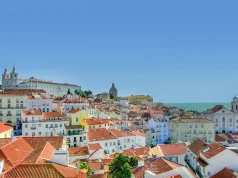
Travelling across the Iberian Peninsula and into southern France often reveals the quieter side of Europe. In Seville, narrow streets around Barrio Santa Cruz open onto small plazas shaded by orange trees, while the riverside paths along the Guadalquivir connect easily with the historic Triana district. In Lisbon, the tram lines climbing through Alfama still follow routes laid out centuries ago, passing viewpoints like Miradouro de Santa Luzia before reaching the hilltop castle.
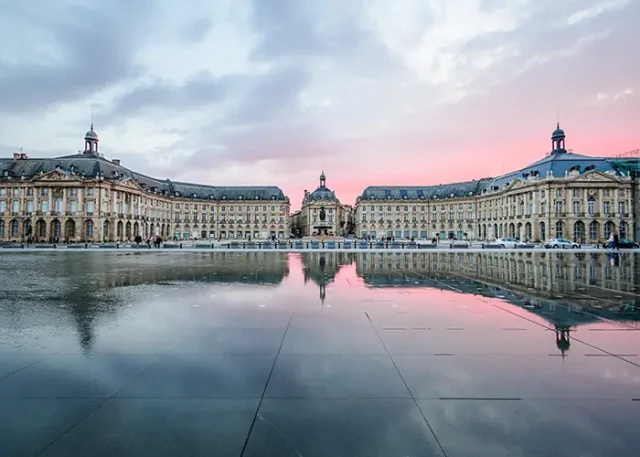
Further north, Porto’s Ribeira district sits along the Douro River, where colourful townhouses line the waterfront promenade. From there, it’s easy to cross the Dom Luís I Bridge on foot and wander into Vila Nova de Gaia. France brings another layer of variety, particularly in places like Bordeaux, where long boulevards lead toward the Garonne River and the lively stalls of Marché des Capucins.
Working with specialists can reveal places you might otherwise miss. For this reason, many travellers choose to use a travel agency for France when navigating regions such as Provence or the Loire Valley. These experts often know lesser-known villages, scenic routes, and local experiences that are easy to overlook when planning independently. Services like these also help coordinate transport between regions where rail connections don’t always align neatly with rural destinations.
Renaissance Splendour and Artistic Treasures in Florence
Florence feels compact enough to explore on foot, but its streets hold an extraordinary concentration of history. Most visitors first arrive at Piazza del Duomo, where the cathedral’s marble façade and Brunelleschi’s vast dome dominate the square. A short walk along Via dei Calzaiuoli leads toward Piazza della Signoria, where the Palazzo Vecchio and the statues of the Loggia dei Lanzi create one of the city’s most recognisable scenes.
From there, many continue across the Ponte Vecchio. The bridge still houses small jewellery workshops, much as it did centuries ago. On the southern bank of the Arno, the streets become quieter around the Oltrarno neighbourhood. Workshops, small artisan studios, and narrow lanes give this part of Florence a different atmosphere from the busy historic centre.
The walk up to Piazzale Michelangelo provides a wider view of the city’s layout. Terracotta rooftops stretch toward the hills, and landmarks like Santa Croce and the Palazzo Pitti become easier to spot within the wider cityscape. It’s a useful way to understand how the city grew along the river long before modern traffic arrived.
Coastal Elegance in Paphos and the Aphrodite Hills
Cyprus offers a very different landscape from mainland Europe. In Paphos, much of daily life still revolves around the harbour area. The stone walkway along the waterfront passes the medieval castle before reaching the archaeological park, where Roman mosaics inside the House of Dionysus show how prosperous the region once was.
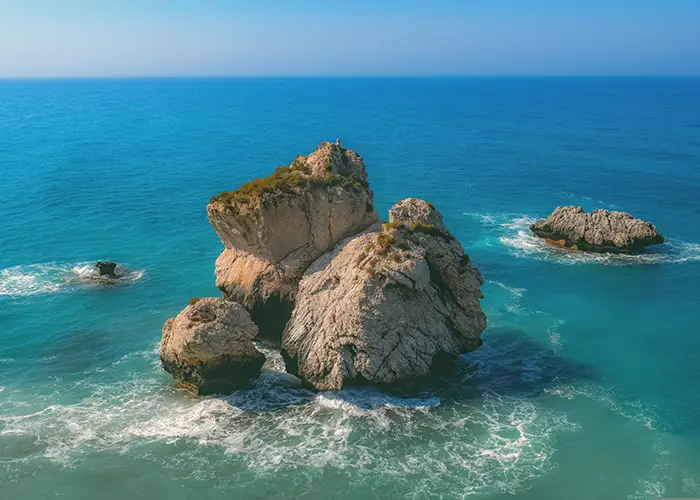
Just inland, the terrain rises gently toward the hills. The Aphrodite Hills area, between Paphos and Limassol, has become one of the more established residential and holiday communities on the island. Travellers who choose to stay in Aphrodite Hills holiday villa use it as a base for exploring the wider region. Villas here typically overlook the coastline and nearby golf course, but the location also makes it easy to reach sites such as Petra tou Romiou, the stretch of shoreline traditionally linked with the myth of Aphrodite’s birth.
The surrounding roads connect several smaller villages worth exploring. Kouklia, once the site of the ancient Kingdom of Palaipafos, still contains ruins connected with the Sanctuary of Aphrodite. Walking through the village square gives a sense of how the island blends archaeology and modern life without separating the two.
Gothic Architecture and Riverside Charms in Prague
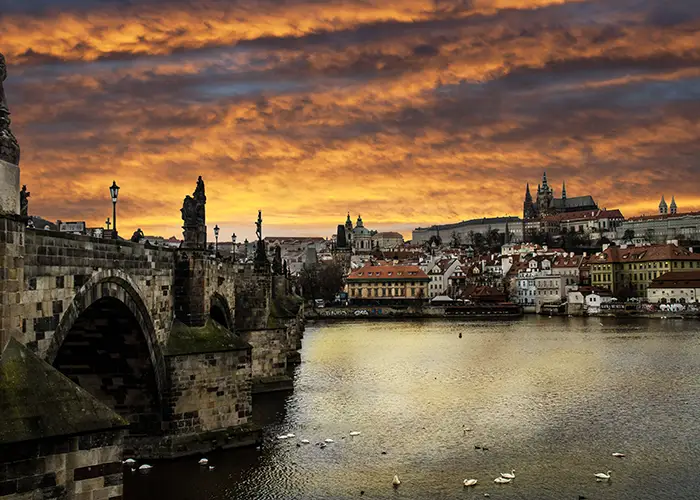
Prague’s historic centre sits along a curve in the Vltava River, and the bridges linking its neighbourhoods make exploring surprisingly easy. Many visitors start in Staré Město, the Old Town, where cobbled streets lead toward the Astronomical Clock in Old Town Square. From there, Pařížská Street runs north toward the river, lined with buildings from the late nineteenth century.
Crossing Charles Bridge changes the atmosphere almost immediately. The statues lining the bridge create a kind of open-air gallery, and on the far side, the streets of Malá Strana climb slowly toward Prague Castle. Nerudova Street, once part of the royal coronation route, still contains houses marked with historic symbols rather than numbers.
The castle complex itself overlooks the entire city. Walking through the courtyards eventually leads to St. Vitus Cathedral, whose towers dominate Prague’s skyline. From the castle gardens, the red rooftops of the Old Town spread across the river, giving a clear sense of how the city developed along its banks.
Pristine Islands and Ancient Maritime History in Croatia
Croatia’s Adriatic coast stretches across hundreds of kilometres, but many travellers begin in Dubrovnik. The old city walls form a complete circuit around the historic centre, and walking them gives a clear view of terracotta rooftops, narrow streets, and the harbour below. Stradun, the main street through the Old Town, connects the Pile Gate with the eastern harbour and remains the central meeting point for locals and visitors.
Further north, Split offers a completely different urban layout. Much of the city developed inside the walls of Diocletian’s Palace, a Roman complex that gradually transformed into a residential district. Today, the palace cellars, courtyards, and narrow passages still form the structure of the old town. From the waterfront promenade, ferries depart regularly toward nearby islands.
Hvar and Korčula are among the most visited, though each has its own character. Hvar Town centres around a harbour square overlooked by a hillside fortress, while Korčula’s old town rises from the sea in a compact grid of medieval streets. Walking through the narrow lanes quickly reveals how closely the islands’ histories are tied to maritime trade across the Adriatic.
Which corner of Europe will you explore next?
Travelling across Europe quickly shows how closely landscapes and history shape everyday life. Coastal harbours, riverfront cities, and centuries-old neighbourhoods all reveal different layers of the continent’s past while still functioning as part of modern communities. Markets continue to operate in historic squares, narrow streets still follow medieval layouts, and waterfront promenades connect districts that have traded and travelled for generations.
The real experience often comes from noticing these small connections between geography, architecture, and daily life. With so many regions offering their own distinct character, the only real question becomes which part of Europe to explore first.