
Killary Fjord, a dramatic glacial inlet on Ireland’s west coast, has been selected as one of Lonely Planet’s Best in Travel experiences for 2027. The annual list highlights 25 destinations and 25 experiences chosen by the publication’s international network of writers and editors.
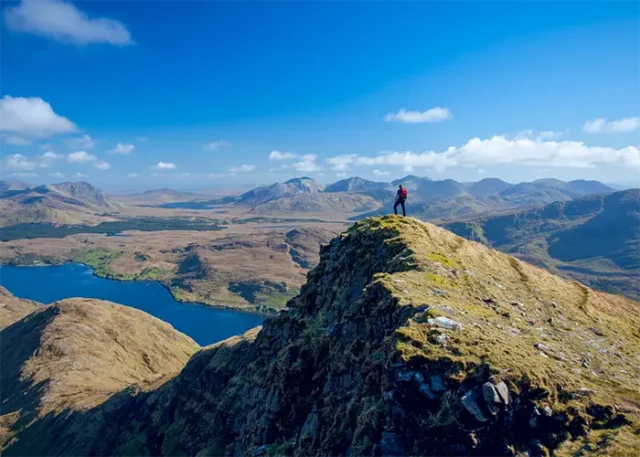
Stretching approximately 16 kilometers inland toward the village of Leenaun, Killary Fjord forms a natural boundary between counties Galway and Mayo. Lonely Planet called it a strong contender for Ireland’s most breathtaking place, drawing attention to its steep mountains, quiet waters and sense of isolation along the Wild Atlantic Way.
The recognition places the Connemara landscape alongside experiences such as walking Scotland’s St Cuthbert’s Way, traveling France’s Route Napoléon, riding India’s Darjeeling Himalayan Railway and joining an expedition cruise in the Galápagos Islands.
Why Killary Fjord Stands Out
Killary is often described as Ireland’s only true fjord. Carved by glaciers and later flooded by the Atlantic, the long, narrow inlet is enclosed by some of the highest and most distinctive mountains in western Ireland.
Mweelrea, the highest mountain in Connacht, rises to the north, while the Maumturk Mountains and the peaks of Connemara frame the southern side. The slopes change character with the weather and seasons, shifting from vivid green in summer to deeper rust and auburn tones later in the year.
At the head of the fjord, Leenaun is a small village surrounded by mountains and water. Its position makes it a natural base for exploring both Connemara and southern County Mayo, while its pubs, cafés and relaxed pace complement the landscape outside.
This is not a destination defined by a single viewpoint. Killary is best experienced slowly, whether from the water, on foot or over a plate of locally cultivated mussels.
See the Fjord from the Water
One of the most accessible ways to appreciate the scale of Killary is from aboard the Connemara Lady. Killary Fjord Boat Tours operates 90-minute sightseeing cruises from Nancy’s Point, outside Leenaun, using a vessel with indoor seating and an open upper deck.
The route passes beneath mountain slopes and alongside the mussel farms that have become part of the fjord’s working landscape. Commentary introduces the area’s geology, history and local folklore, while wildlife sightings can include otters, gray and harbor seals, seabirds and, occasionally, dolphins.
Cruises generally operate seasonally, so travelers planning a 2027 visit should check sailing dates directly before building them into an itinerary.
For a more active perspective, Killary Adventure Centre offers kayaking and stand-up paddleboarding on the sheltered water. Its wider program includes coasteering, gorge walking, archery and high-ropes activities in the surrounding Connemara countryside.
Walking and Hiking Around Killary
The landscape surrounding the fjord contains routes for a range of abilities, from shoreline walks to demanding mountain ascents. Experienced hikers can tackle Mweelrea, although rapidly changing weather, difficult navigation and boggy terrain make local knowledge or a qualified guide advisable.
Connemara National Park is within easy reach of Killary. Its best-known route climbs Diamond Hill for views across the Twelve Bens and toward Kylemore Abbey. Maintenance can occasionally affect access to the upper trail, so hikers should consult current National Parks and Wildlife Service notices before arriving.
Travelers looking for a guided journey through the wider region can also explore DRIFT’s overview of hiking trips in Connemara and across Ireland.
Mussels, Music and Connemara Culture
Killary’s cold, sheltered water supports rope-grown mussel farming, and the local harvest has become one of the region’s defining foods. Restaurants and pubs around Leenaun and western Connemara serve the mussels simply, allowing their clean, briny flavor to remain the focus.
Food is only one route into the area’s culture. Much of Connemara remains closely connected to the Irish language, traditional music and small farming and fishing communities. Spending an evening in a village pub or visiting a local producer can reveal as much about the region as its famous scenery.
The annual Connemara Mountain Walking Festival offers another way to experience the landscape, with guided walks that combine outdoor exploration with local knowledge and regional stories.
What Else to See Near Killary Fjord
Killary can anchor a longer trip through Connemara rather than serving only as a roadside stop. Aasleagh Falls lies a short distance from Leenaun, while Glassilaun and Silver Strand offer sandy stretches along the Atlantic coast.
To the south, Kylemore Abbey combines a lakeside Victorian castle, neo-Gothic church, woodland walks and a restored walled garden. Nearby Letterfrack is the gateway to Connemara National Park, while Clifden and Roundstone offer colorful streets, craft shops, restaurants and access to the coast.
Roundstone is also close to Dog’s Bay, one of the County Galway locations featured in DRIFT’s guide to ten beaches along Ireland’s Wild Atlantic Way.
Getting to Killary Fjord in 2027
For Canadian travelers, western Ireland will become easier to reach in 2027. Air Canada plans to introduce seasonal nonstop service between Toronto and Shannon beginning June 10. Killary Fjord is approximately two and a half hours from Shannon Airport by car, depending on the route and traffic.
Galway City is another practical starting point for exploring Connemara. Although organized tours and regional bus services reach parts of the area, a rental car provides the greatest flexibility for Killary and the surrounding villages. Roads can be narrow and winding, however, so driving times are often longer than the distances suggest.
West-coast weather can change quickly in any season. Waterproof layers, sturdy footwear and a flexible schedule are useful even during summer. Travelers should also check opening periods for cruises, attractions and seasonal businesses before departure.
Lonely Planet’s recognition may introduce Killary Fjord to a much larger international audience, but the area’s strongest appeal remains its quietness. The best visit is not necessarily the one with the fullest schedule. It is the one that leaves time to watch cloud shadows move across the mountains, follow the changing light along the water and understand why this corner of Connemara made the 2027 list.
For destination information, visit Ireland.com.