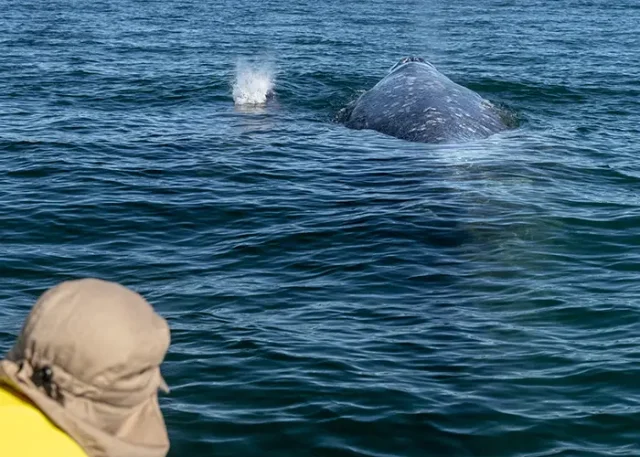
Every winter, thousands of humpback whales make the 3,000-mile journey from Alaska to the warm Hawaiian waters surrounding Maui. It’s one of nature’s most spectacular migrations, and witnessing these 40-ton giants breach, slap their tails, and nurse their calves is a bucket-list experience for travelers worldwide. But here’s what most tourists don’t realize: not all whale watching tours are created equal, and the difference often comes down to what happens before you ever step on the boat.
Experienced captains don’t just drive out to sea and hope for the best. They listen to radio chatter, to weather patterns, to the ocean itself. Companies like Pride of Maui have spent decades perfecting the art of whale finding, and their captains know exactly what signals to pay attention to before that first breathtaking breach.
If you want to maximize your chances of an unforgettable whale watch, you need to understand what separates a lucky sighting from a guaranteed spectacular show. Here are the seven things experienced captains listen for, and why it matters for your booking decision.
1. Radio Communication from Other Vessels
Professional whale watching captains maintain constant radio contact with other boats in the area. When one vessel spots a pod of active whales, they share coordinates with trusted colleagues. This network of communication means experienced operators know where the action is before they even leave the harbor.
What this means for you: Choose a company with an established presence and relationships with other operators. Newer or budget companies often lack these connections, leaving their captains to search blindly while others head straight to confirmed sightings.
2. Weather and Wind Patterns
Whales are easier to spot in calm conditions. Experienced captains check wind speed, wave height, and visibility forecasts obsessively. They know that a glassy ocean surface makes spouts visible from miles away, while choppy conditions can hide even nearby whales.
What this means for you: If a captain recommends rescheduling due to weather, listen to them. A good operator prioritizes your experience over filling seats. Also, morning tours often offer calmer conditions than afternoon departures.
3. Water Temperature Reports
Humpback whales prefer specific water temperatures for different activities. Mothers with calves seek warmer, shallower waters for nursing. Active males competing for females often congregate in slightly different areas. Captains who understand these patterns position their boats accordingly.
What this means for you: Ask about the crew’s knowledge of whale behavior. The best tours are led by naturalists and captains who understand marine biology, not just boat operation.
4. Recent Activity Patterns
Whales are creatures of habit, to a point. If a pod has been active in a particular area for several days, there’s a good chance they’ll return. Experienced captains track these patterns and share information with their crews.
What this means for you: Companies that operate daily have a significant advantage. They accumulate real-time knowledge about where whales have been most active, giving you better odds of spectacular sightings.
5. Time of Day Signals
Whale behavior changes throughout the day. Early morning often brings feeding activity and surface behaviors. Midday can see more resting. Late afternoon sometimes triggers increased social activity as whales prepare for evening. Captains time their routes based on these behavioral patterns.
What this means for you: Consider what type of whale behavior you most want to witness. Discuss timing with your operator, they can recommend the best departure time based on current activity patterns.
6. Acoustic Monitoring
Some advanced whale watching operations use hydrophones, underwater microphones, to listen for whale songs. Male humpbacks produce complex songs that can travel for miles underwater. Captains who can hear these songs know whales are nearby even before visual confirmation.
What this means for you: Ask if your tour uses any acoustic monitoring technology. While not universal, this capability significantly increases the chances of finding active whales, especially on days when surface activity is limited.
7. Seasonal Migration Timing
Not all weeks of whale season are equal. Early season (December-January) brings the first arrivals, often adult males. Peak season (February-March) sees the highest concentrations, including mothers with newborn calves. Late season (April) offers chances to see calves that have grown stronger and more playful.
What this means for you: Time your visit strategically. If seeing a mother-calf pair is your priority, mid-to-late February through March offers the best odds. If you prefer seeing competitive male behavior, earlier in the season may deliver more action.
Choosing the Right Whale Watch
Armed with this knowledge, you can ask better questions when booking your tour. Does the company have experienced captains with local knowledge? Do they communicate with other vessels? What’s their approach to finding whales versus just hoping for luck?
The difference between a whale watch where you see distant spouts and one where a 45-foot humpback breaches 50 feet from your boat often comes down to these factors. Don’t leave your experience to chance.
Final Thoughts
Whale watching in Maui is a privilege, a chance to witness one of nature’s most magnificent creatures in their winter sanctuary. But the quality of that experience depends heavily on who’s guiding your tour. Choose operators whose captains understand the ocean, respect the whales, and know exactly what to listen for before that first unforgettable breach.
Your memories of Maui deserve nothing less than the best possible whale watching experience. Now you know what to look for.