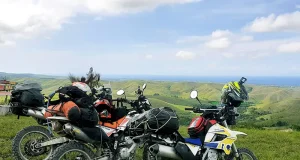

Leaving Denver for a high-altitude road trip opens up stunning alpine views and thrilling mountain passes. Navigating steep grades, sudden weather shifts, and winding corridors demands deliberate preparation behind the wheel. Drivers can protect themselves and their passengers by learning mountain road conventions before departing the Mile High City.
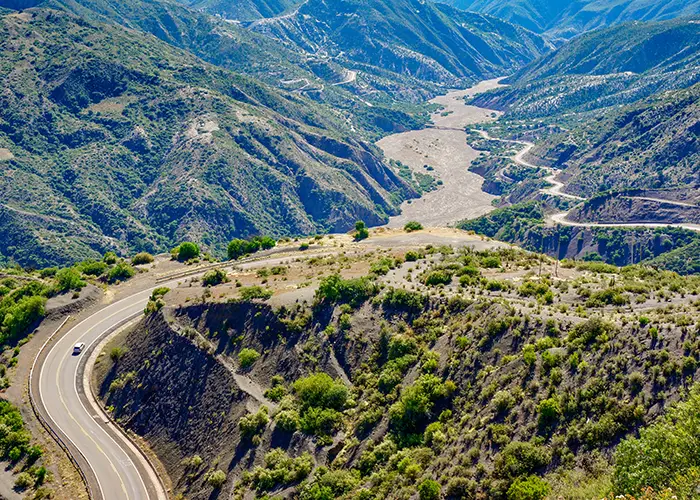
Preparing Your Vehicle for High-Altitude Elevation
High-altitude environments place stress on vehicle engines and cooling systems. Air thins at higher elevations, causing internal combustion engines to lose horsepower and work harder during steep climbs. Naturally aspirated engines lose up to 3% of their power for every 1,000 feet of elevation gain. Proper maintenance before leaving Denver prevents unexpected breakdowns on remote mountain passes.
Radiator coolant, brake fluid, and engine oil should be filled to recommended levels to prevent overheating. High altitude and steep inclines force cooling systems to operate under maximum load. Tire pressure fluctuates as elevation changes and ambient temperatures drop. Cold mountain air reduces tire pressure by roughly one pound per square inch for every 10-degree drop in temperature.
Navigating Mountain Traffic and Speed Limits
Mountain highways feature tight curves that require complete driver concentration at all times. When collisions occur from driver error, consulting experienced Denver car accident attorneys helps victims understand complex legal claims. Maintaining reasonable speeds is the best defense against unexpected highway hazards.
Speed limits in alpine areas are measured for sharp turns and reduced visibility. Excessive speed lowers reaction time on narrow ledges where guardrails may be absent. Adhering to posted speed advisories keeps vehicles stable on tight switchbacks.
Drivers should be cautious around mountain scenic pull-offs and trailhead corridors. Heavy pedestrian activity near popular overlooks demands reduced travel speeds and heightened awareness.
Understanding Colorado Traction Laws
State transit officials enforce tire requirements during cold seasons. Colorado legal guidelines state that all motorists must have either snow tires, mud and snow designation tires, or four-wheel drive systems active during travel restrictions. Winter-rated tires provide maximum grip when sudden snowstorms hit high-elevation highways.
Certain major mountain corridors carry strict seasonal requirements regardless of active weather. State travel authorities enforce the Traction Law on Interstate 70 between Dotsero and Morrison from September 1 through May 31 every single year. Drivers must remain compliant during these months even when the skies are clear.
Failing to comply with state tire laws results in heavy financial consequences and road delays. Drivers caught without compliant traction options face fines of $130 or more. Fines increase if non-compliant tires cause traffic blockages.
Handling Steep Grades and Braking Procedures
Continuous foot braking causes friction pads to overheat and cause dangerous brake fade. Shifting the transmission into lower gears allows engine compression to control descent speeds naturally.
Engine braking reduces physical wear on brake pads and maintains complete control of vehicle momentum. Drivers should select lower gears before starting steep downhill stretches. Tapping the brakes lightly and releasing them periodically cools brake rotors between applications.
Lower Gear Management Strategies
Managing lower gears prevents transmission stress and maintains safe downhill speeds. Drivers can adopt several effective habits:
- Select second or third gear before starting long downhill descents
- Apply firm brake pressure briefly to drop speed rather than resting feet on the pedals
- Monitor engine temperature gauges during prolonged uphill climbs in warm weather
- Pull over safely into designated rest areas if the brake pedal feels soft
Analyzing Winter Crash Data and Driver Risk
Winter conditions present severe hazards for motorists unfamiliar with alpine driving dynamics. Renting all-wheel-drive vehicles with winter tires helps visiting drivers maintain control. Black ice forms quickly in shaded canyon sections and on elevated bridge surfaces before main roads freeze. Drivers cannot easily spot black ice, making sudden steering maneuvers dangerous.
Smooth steering and gentle acceleration prevent loss of traction on slippery winter surfaces. Abrupt braking or rapid wheel movements break tire grip on snow-packed asphalt. Smooth control inputs keep vehicles tracking safely through icy curves.
Respecting Slow Vehicles and Pull-Off Etiquette
Heavy tourist traffic and slow commercial vehicles create long lines on two-lane mountain highways. Seeing vehicles queue behind drivers means the slow vehicle pull-off sign applies to them. Moving into designated turnouts allows trailing traffic to pass safely.
Speed limits through major park routes stay modest to accommodate heavy sightseeing traffic. Limits should stay between 25 and 35 mph on most roads inside Rocky Mountain National Park for safety. Adhering to these modest limits prevents collisions with wildlife and park visitors.
Tailgating slower vehicles on mountain passes reduces braking distance and creates unnecessary driver stress. Maintaining a four-second following distance provides adequate stopping space on steep inclines. Safe spacing prevents windshield damage from flying gravel or road debris.
Packing Emergency Supplies for Mountain Journeys
Mountain weather conditions change within minutes. Stranded drivers may face extended wait times for roadside assistance during severe winter storms. Carrying safety gear transforms potential emergencies into manageable delays.
Safety Gear Essentials for Winter Travel
Proper preparation keeps passengers comfortable and safe during unexpected highway closures. Every mountain explorer should carry:
- Heavy blankets, thermal socks, and extra winter coats for low temperatures
- High-calorie non-perishable food items alongside ample drinking water bottles
- Portable jump-starter power packs, bright flashlights, and extra phone chargers
- Compact snow shovels, traction sand or cat litter, and ice scrapers
This kit guarantees passenger comfort during unexpected delays. Keeping emergency supplies organized in trunk spaces keeps passenger compartments clear and safe.
Weather Awareness and Pre-Trip Planning
Checking real-time highway conditions before departing Denver prevents traveling into severe winter storms. State transportation department websites offer live camera feeds, road condition reports, and closure alerts. Reviewing weather updates helps drivers avoid hazardous mountain pass conditions.
With flexible travel schedules, drivers can delay trips when heavy snowfall hits high passes. Night driving across mountain routes increases risk owing to dropping temperatures and limited visibility. Traveling during daylight hours offers maximum visibility and safer road conditions.
Having backup routes planned guarantees smooth navigation if primary mountain passes shut down. Knowing alternative state highways prevents panic when unexpected road closures occur.
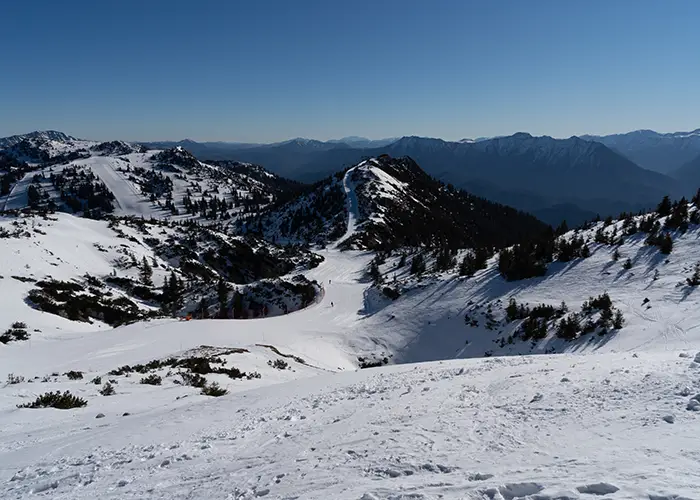
Equipping your vehicle properly and maintaining safe speeds protects everyone sharing alpine roadways. Thoughtful driving habits guarantee an enjoyable journey through Colorado’s breathtaking high-country highways.