

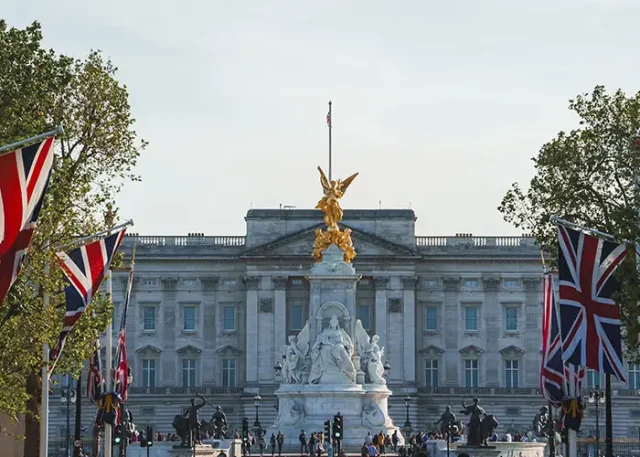
London attracts visitors for obvious reasons. You arrive with a short list in mind. Buckingham Palace. Big Ben. Tower Bridge. They matter, and you should see them. They help you place the city on the map and connect it to moments you’ve read about for years.
Still, if you leave it there, you miss something important. London has depth. It shows itself gradually, often when you slow down and pay attention. Instead of racing between landmarks, you can shape your time around curiosity and context. That shift changes how the city feels and how you remember it later.
Moving Beyond the Major Landmarks
Iconic sights draw crowds from early morning, so your first instinct might be to tick them off quickly. Resist that pressure. Once you’ve taken your photos, step a few streets away and notice what changes.
The atmosphere softens almost immediately. Traffic noise fades. Local businesses replace souvenir shops.
Step Away from the Obvious Routes
After visiting Westminster, wander towards quieter roads leading to Victoria. Spend time exploring the side streets around St James’s rather than heading straight to the next Underground stop. You’ll find traditional tailors, independent cafés and small galleries that rarely feature in guidebooks.
Look up more often. Decorative brickwork, stone carvings and blue plaques tell stories about writers, politicians and campaigners who once lived there. These details rarely shout for attention. You have to search for them.
Walking helps. Distances between major sights are shorter than they seem, and moving on foot gives you the freedom to change direction when something catches your eye. That flexibility makes your London travel experience feel personal rather than rushed.
Neighbourhoods Tell the Real Story
Spending a few hours in one area gives you an insight that no checklist can provide. London’s character shifts from street to street, and each district carries its own rhythm.
You don’t need to cover everything. Choose one neighbourhood and let it unfold.
Spend Time, Don’t Rush Through
Soho works well in late morning. Delivery drivers move between restaurants, theatre staff prepare for evening shows, and café owners chat with regulars. You see daily life rather than performance.
Greenwich offers a different pace. Walk through the park towards the Royal Observatory, then head down to the market streets. Traders often share snippets of local history if you show genuine interest. That human exchange adds meaning to what you’re seeing.
Shoreditch reveals creativity through street art and independent shops. Murals change regularly, so stay observant rather than relying on old images online. Notting Hill blends residential calm with busy market culture, especially around Portobello Road.
Focusing on one area at a time allows you to notice patterns. Architecture shifts subtly. Shopfronts reflect community identity. Gradually, the city feels less overwhelming and more coherent.
Adding Context Through Personal Guidance
Exploring independently works well, yet there are moments when expert insight can deepen your understanding. A knowledgeable guide connects buildings to events and explains why certain areas developed the way they did.
That context transforms a pleasant walk into something far more engaging.
Consider a Tailored Approach
Private London walking tours give you space to ask questions and adjust the pace. You can focus on specific interests, whether that means political history, literature, architecture or family-friendly exploration. Larger groups often follow fixed routes, while private experiences adapt around you.
Some travellers choose Let Me Show You London when they want a personalised way to explore hidden London and gain deeper historical context. Services like this offer private London tours tailored to your interests, helping you go beyond surface-level facts without feeling restricted by a script.
Guided experiences don’t remove independence. Instead, they give structure to your curiosity. You still decide what captures your attention, yet you gain informed commentary that brings meaning to small details you might otherwise overlook.
Practical Ways to Explore with Greater Depth
Thoughtful planning makes a noticeable difference. Timing affects how much space you have to enjoy each place, and small adjustments can ease pressure during busy periods.
You don’t need an overly complicated schedule. A few smart choices go a long way.
Adjust Your Timing and Tools
Visit markets earlier in the day when stallholders have time to talk. Enter museums later in the afternoon when large tour groups have thinned out. Smaller institutions often provide richer encounters because staff feel less rushed and more willing to answer questions.
Consider walking between nearby Underground stations. The stretch from Covent Garden to Holborn, for example, passes theatres, historic pubs and specialist shops that many visitors miss entirely. Public transport remains useful, though alternating between trains and walking keeps you engaged with your surroundings.
Check local listings once you arrive. Community noticeboards in cafés or libraries often advertise talks, exhibitions or performances taking place during your stay. Attending one of these events connects you to residents rather than other tourists.
Weather plays its part as well. Rainy afternoons suit galleries and covered markets. Clear evenings invite a riverside walk along the South Bank. Flexibility keeps your plans realistic and enjoyable.
Slow Down and Choose Your Route
Fast itineraries create stress. When you allow breathing space between activities, your experience feels calmer and more meaningful.
Pause for coffee without watching the clock. Sit in a small square and observe how people use the space. Notice how office workers, students and families interact with their environment.
Let Curiosity Lead
Ask shopkeepers about changes in the area. Speak to gallery staff about new exhibitions. Most Londoners respond well to respectful interest. Those conversations often lead to recommendations you would never find through online searches.
Choosing a loose theme can help shape your time. You might focus on literary connections one day and maritime heritage the next. That structure prevents overload while keeping your exploration purposeful.
Balancing independent wandering with informed guidance creates depth. Some days call for self-directed discovery. Other moments benefit from expert input that clarifies what you’re seeing.
Plan Your Next London Experience with Purpose
London reveals itself gradually when you approach it with intention. Famous landmarks provide a starting point, yet the most rewarding moments often occur away from heavy crowds and rigid schedules.
Consider how you want to feel at the end of your trip. If you prefer connection over speed, adjust your plans accordingly. Depth takes time, though it leaves a stronger impression long after you return home.