

Ten, twelve, fourteen hours in a seat is a different kind of challenge than a short domestic hop, and treating it the same way usually backfires. On a long-haul flight, the goal isn’t just passing time, it’s arriving at your destination able to function, whether that means walking into a meeting or actually enjoying the first day of a trip instead of losing it to jet lag and exhaustion. The single biggest factor in that outcome is whether you actually managed real sleep onboard, not just dozing on and off. That requires proper airplane sleep support, not just closing your eyes and hoping for the best. Understanding what genuinely helps versus what just feels like it should help makes a measurable difference on flights long enough for sleep quality to actually matter.
Why Long-Haul Sleep Is Different From a Short Nap
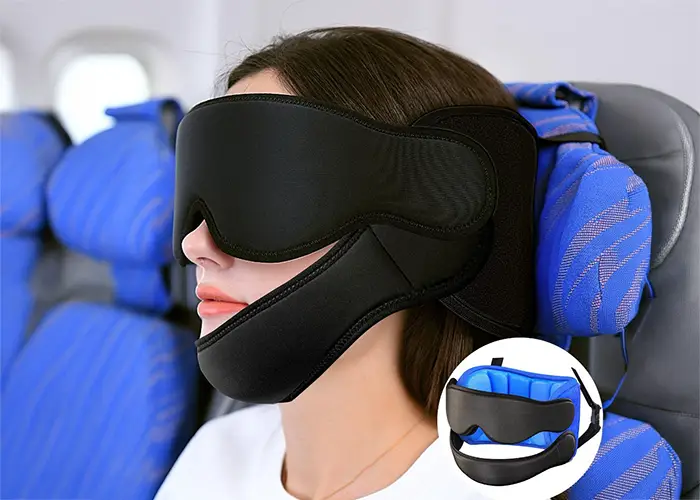
A twenty-minute doze on a one-hour flight doesn’t require much beyond just resting your head somewhere stable. Long-haul flights are a different problem entirely, because the goal is reaching deeper sleep stages, the kind your body needs to actually recover from, which means your posture needs to hold steady for hours rather than minutes. Without real support, your head drifts, your neck muscles fire to correct it, and you wake up repeatedly without ever quite entering deep sleep. This is where dedicated airplane sleep support earns its keep, since it’s built specifically to hold posture through a full sleep cycle rather than just cushioning a brief rest.
The Support Pieces That Make the Biggest Difference
A few specific pieces of gear consistently separate travelers who land rested from those who land wrecked, and the differences are more about mechanics than luxury.
Head and Neck Stabilization
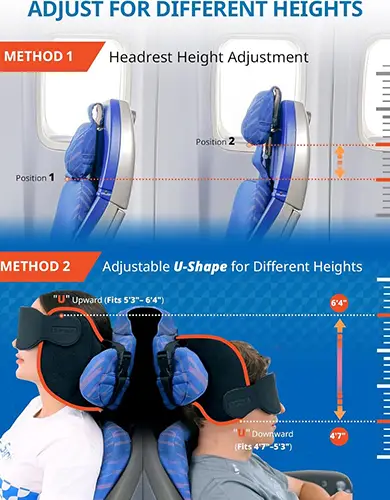
The forward head drop is the single most common thing that interrupts long-haul sleep, waking people up over and over as their neck muscles react to the strain. A pillow that stabilizes the head from multiple angles, not just the sides, keeps this from happening at all, which means fewer interruptions and more time actually spent in restorative sleep rather than shallow, broken rest.
Eye and Light Blocking
Cabin lighting rarely goes fully dark, and screens from nearby passengers add more disruption. A well-fitted eye mask that blocks light without pressing uncomfortably on the eyes helps signal to your body that it’s actually time to sleep, which matters especially on flights crossing several time zones where your internal clock is already confused about what time it should be.
Building a Routine Around the Gear
Support gear works best when it’s part of a deliberate pre-sleep routine rather than something you reach for only once you’re already exhausted. Setting up your pillow, mask, and any other support before the meal service ends means you’re ready to actually fall asleep during the window when the cabin quiets down, rather than fumbling with gear while everyone around you is already resting. Timing matters too, trying to sleep on a schedule that roughly matches nighttime at your destination helps reduce jet lag on arrival, even if it means staying awake a bit longer at the start of the flight than you’d like.
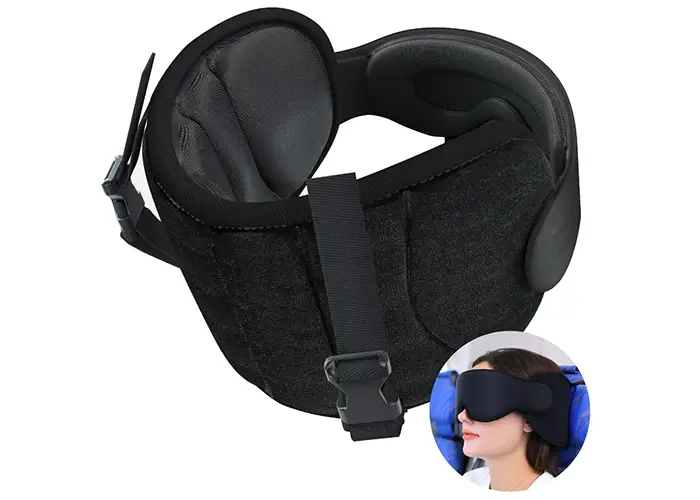
Sarisun designs its long-haul sleep gear around this full-cycle use case specifically, prioritizing materials and shapes that hold up through six, eight, or more hours of continuous wear rather than just the first hour of comfort. That distinction matters because gear that feels great initially but degrades in support over time is often worse than no gear at all, since it creates a false sense of security followed by a rough wake-up partway through the flight.
Hydration and light movement also play a supporting role. Dry cabin air makes it harder to fall and stay asleep, so drinking water steadily rather than relying on caffeine or alcohol improves sleep quality noticeably. A short walk before settling in for the night portion of the flight can also help your body transition into rest mode more easily than staying seated the entire time.
Arriving Rested Instead of Just Arriving
Long-haul flights reward preparation in a way shorter trips simply don’t. The difference between landing exhausted and landing ready to actually start your trip usually comes down to a few deliberate choices, real head and neck stabilization, blocking out light and distraction, and timing your sleep to work with your destination rather than against it. None of this requires elaborate gear or complicated routines, just the right support used at the right moment. Get that combination right, and a long-haul flight stops being something you merely endure and starts being genuine recovery time before you even land.