

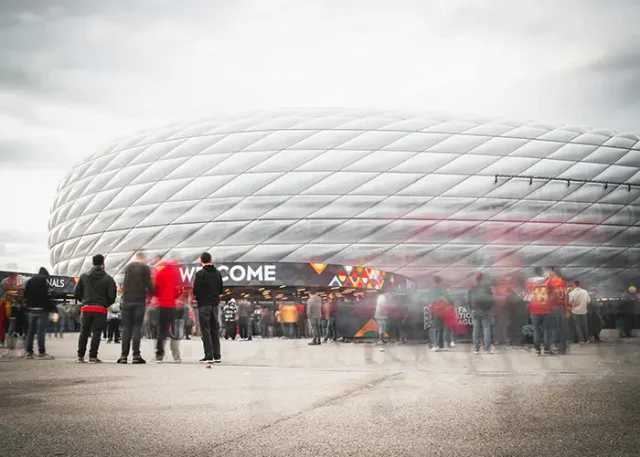
A sports trip rarely begins at the stadium anymore. It often starts days earlier, sometimes weeks, when fans begin planning their journey around kickoff times, playoff schedules, or tournament brackets. Flights get booked, hotel locations are compared, and friends start messaging about where to meet before the game.
In between those plans, phones rarely leave a fan’s hand. Lineups appear on social feeds. Injury reports circulate through sports apps. Someone inevitably sends a prediction for the final score. By the time the journey actually begins, many travelers already feel as though the event has started.
That blend of travel logistics and constant sports updates has quietly reshaped how people experience games away from home.
The Rise of Sports Tourism
Following a team to another city or country used to be something only the most dedicated supporters considered. Today it has become a major part of the global travel economy. Fans regularly plan entire trips around championship games, rivalry matchups or international tournaments, turning stadium visits into destination experiences. The scale of that trend has grown quickly. According to Fortune Business Insights, the global sports tourism market was valued at around $618 billion in 2024, reflecting the growing number of travelers planning trips around live sporting events.
Cities that host major events often see hotels fill quickly, restaurants extend hours, and entire neighborhoods turn into fan gathering spots. The stadium becomes the centerpiece of the trip, but the surrounding travel experience matters just as much.
Game Trips Now Start on a Screen
Travel planning once revolved around printed schedules and phone calls. Now it happens almost entirely through mobile tools.
A supporter heading to another city for a weekend series might spend the week leading up to the trip watching highlights, reading match previews, and checking ticket availability. By the time the plane lands, they already know who is expected to start and which players are in form.
Some of the most common tools traveling fans rely on include:
• digital ticket wallets
• stadium navigation apps
• live statistics platforms
• ride-share and transit maps
• fantasy league dashboards
None of these tools replace the thrill of seeing the game in person. Instead, they stretch the experience beyond the stadium and into the journey itself.
Watching the Game While Following Everything Else
Walk through a modern arena and one detail stands out quickly: nearly everyone has a phone in their hand.
Some fans are checking highlights from another game. Others are following social media discussions about a controversial call. Many are watching statistics update play by play while the action unfolds just a few meters away.
This habit has become widespread. Deloitte’s Digital Media Trends study reports that more than 70 percent of sports viewers now use a second screen while watching live games.
For traveling supporters, this behavior connects the local event to the broader sports world. A fan might be cheering inside the stadium while simultaneously keeping track of scores in another city.
The experience is no longer limited to a single field or court.
Fantasy Contests on the Road
Fantasy sports have also become part of many fans’ travel routines. Even while attending games, supporters often stay connected to their leagues or prediction contests.
Some platforms combine player statistics, projections, and roster building into a single fantasy sports offering, allowing participants to build entries based on how athletes perform during the game they are watching.
For newcomers, the structure of these contests can be difficult to understand at first. Independent guides often help explain how the formats work. Information sites such as Casino.org publish breakdowns that describe how prediction-based fantasy contests operate, including the mechanics behind platforms like Underdog and how players structure their entries.
These explanations typically focus on the rules and scoring systems behind the contests, helping readers understand the format rather than promoting specific services.
Navigating Stadiums in the Digital Age
Technology also helps travelers navigate unfamiliar venues. Large stadium districts can be difficult to navigate, particularly in cities hosting major events.
Fans often rely on digital maps to locate entrances, check seating layouts, or find the fastest route back to public transportation once the game ends. Some venues even provide real-time updates about concession wait times or parking availability.
This increasing reliance on digital infrastructure reflects the broader growth of the sports industry itself. PwC estimates that the global sports sector will generate more than $600 billion in revenue by 2027, driven by media rights, sponsorships, and fan engagement technologies.
As stadium technology evolves, traveling fans benefit from smoother and more connected experiences.
A Different Kind of Sports Journey
Despite all the apps, dashboards, and digital tools, the purpose of sports travel remains unchanged. Fans still cross cities and continents to experience the atmosphere of a live game. They travel for the chants, the tension, and the moment when thousands of people react at once to a single play.
What has changed is everything surrounding that moment.
A sports trip might now begin with lineup rumors at the airport gate and end with fans sharing highlights online long after leaving the stadium. The stadium is still the destination, but the journey has become part of the game.