There’s a particular kind of traveller who books a two-week holiday and comes back three years later. Maybe you know one. Maybe you are one.
The world has a way of doing that to people. A place surprises you, a connection forms, and suddenly you’re Googling whether your tourist visa covers an extended stay and what options exist if you decide you want to make things more permanent.
Visas are the unsexy backbone of long-term travel. Nobody gets excited about the paperwork. But understanding how the system works, and when to get proper help, is one of the most practical skills a serious traveller can develop.
The Tourist Visa: Your Entry Point to Almost Everywhere
For most travellers, the tourist visa is where the relationship with any country begins. It’s a temporary permission, usually straightforward to obtain, and designed for people who want to explore without committing.
The complexity varies enormously depending on your passport and your destination. Some nationalities get visa-on-arrival access to dozens of countries with minimal documentation. Others face more involved application processes, including financial proof, return ticket requirements, and health documentation.
Australia is one of the destinations that comes up repeatedly among long-term travellers, both as a bucket list item and as a base for exploring the broader Asia-Pacific region. The country draws visitors for its natural landscapes, cities, and increasingly its food and cultural scenes.
If you’re travelling from Thailand or planning to use Bangkok as a hub while organizing your next leg, understanding the tourist visa Australia requirements specific to applicants based in Thailand is genuinely useful. The process has specific steps depending on your nationality and intended length of stay, and getting the details right before you apply saves a lot of back-and-forth.
Tourist visas typically come with restrictions worth understanding clearly. Working on a tourist visa is generally prohibited. Extensions are possible in some countries but not guaranteed. And overstaying, however tempting when a place wins you over, carries consequences that can affect your ability to return or to apply for longer-term visas in the future.
The golden rule is simple: know exactly what your visa allows, and plan around that rather than hoping for flexibility that may not exist.
When a Short Trip Becomes a Bigger Plan
Travel has a way of reshaping what you thought you wanted. People arrive somewhere for a few weeks and leave with a job offer, a business idea, or a relationship that changes the direction of their life.
For those who find themselves falling for a place and a person at the same time, the visa conversation gets considerably more complicated. What starts as a tourist stay suddenly intersects with questions about long-term residency, spousal or partner visas, and the legal pathways that allow couples from different countries to build a shared life.
This is an area where well-meaning research only takes you so far. Immigration law is complex, changes frequently, and varies dramatically depending on the countries involved, the nature of the relationship, and how long it has existed. The stakes are also high in a very personal way. Getting it wrong doesn’t just mean a rejected application. It can mean time apart, re-entry bans, or missed windows in processes that move slowly.

Working with a qualified marriage visa attorney is the move that experienced long-term travellers consistently recommend for anyone navigating this process. The difference between a specialist and a general immigration adviser in this context is significant. Someone who works specifically with marriage and partner visas understands the evidentiary requirements, knows the common points of rejection, and can guide you through the documentation process in a way that genuinely improves your chances of a successful outcome.
It’s also worth noting that the definition of a qualifying relationship varies between countries. Some jurisdictions recognize de facto partnerships with the same weight as legal marriages. Others require a formal certificate. An attorney who works in this space daily knows those distinctions and applies them to your specific situation rather than giving you a generic answer.
Building Your Travel Life Around the Right Documentation
For the long-term traveller who moves frequently, staying on top of visa status across multiple countries is a genuine logistical skill. Knowing when to apply, how far in advance, and what supporting documents each application requires is the kind of knowledge that builds over years.
A few habits that experienced travellers develop early make this much easier. Keeping digital and physical copies of all key documents, including past visas, entry and exit stamps, bank statements, and travel insurance records, means you’re never scrambling when an application requires evidence of your history.
Understanding the visa pathway logic in any country you plan to stay in longer than a few months is equally valuable. Most countries offer a spectrum of options from tourist to work to residency, and understanding how those categories connect, and which ones you might realistically transition between, helps you plan more strategically.
Resources on visa planning strategies can be a good supplement to country-specific research, particularly for travellers managing multiple destinations across a single long-haul trip.
The Emotional Side of Visa Bureaucracy
It’s worth acknowledging something that doesn’t get discussed enough in practical travel guides: the emotional toll of visa uncertainty is real.
Waiting on an application while life decisions hang in the balance is stressful. Being separated from a partner because a visa renewal took longer than expected is genuinely hard. And navigating bureaucracy in a second language, or across cultural systems you didn’t grow up understanding, adds another layer of difficulty to what is already a demanding process.
The travellers who handle this best tend to be the ones who build good systems early, take documentation seriously from the start, and recognize quickly when a situation is complex enough to warrant professional advice rather than DIY research.
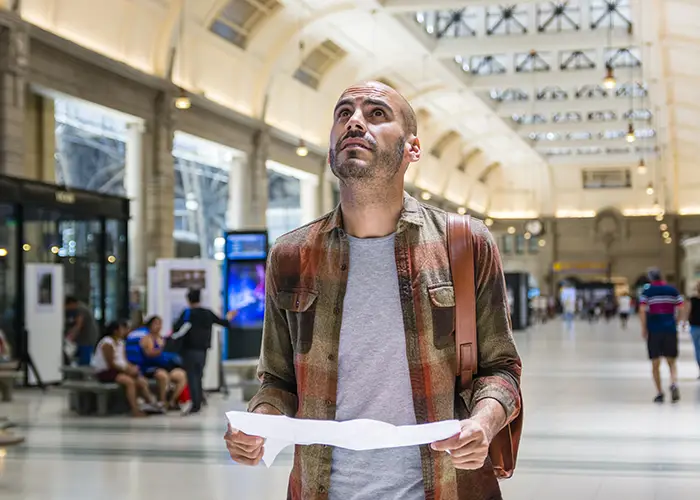
Getting help is not a sign of failure. It’s a sign that you understand the stakes and you’re taking the process seriously enough to get it right.
Planning for the Long Game
The most sustainable approach to long-term travel is one that treats visa planning as part of the overall trip architecture, not an afterthought you deal with when a deadline appears.
That means researching visa requirements before you book flights, not after. It means building buffer time into your plans for processing delays. And it means being honest with yourself about how long you realistically want to stay somewhere and planning accordingly, rather than arriving on a tourist visa and figuring it out from there.
For those whose plans include building a life with someone they met along the way, starting that visa conversation early is especially important. The pathways to partner and spousal visas involve genuine preparation time, and the earlier you start gathering the documentation and understanding the requirements, the smoother the process tends to be.
Travel changes people. The best version of that change is one you can sustain practically, with the right documentation in place to support the life you’re actually building, not just the trip you originally planned.
Final Thoughts
Visas are not the most romantic part of the travel conversation. But they are one of the most consequential. Understanding how they work, when to apply for which type, and when to bring in professional support is what separates the traveller who moves through the world with confidence from the one who’s constantly playing catch-up.
Start with the right information, plan ahead, and don’t underestimate the value of expert advice when the situation calls for it. The paperwork is temporary. The experiences you’re protecting are not.